Introduction
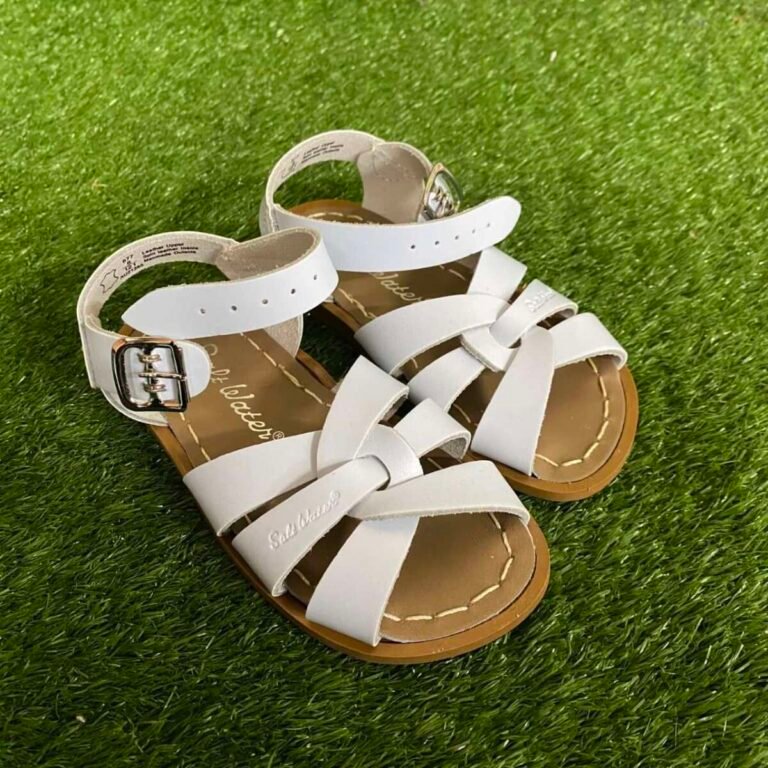
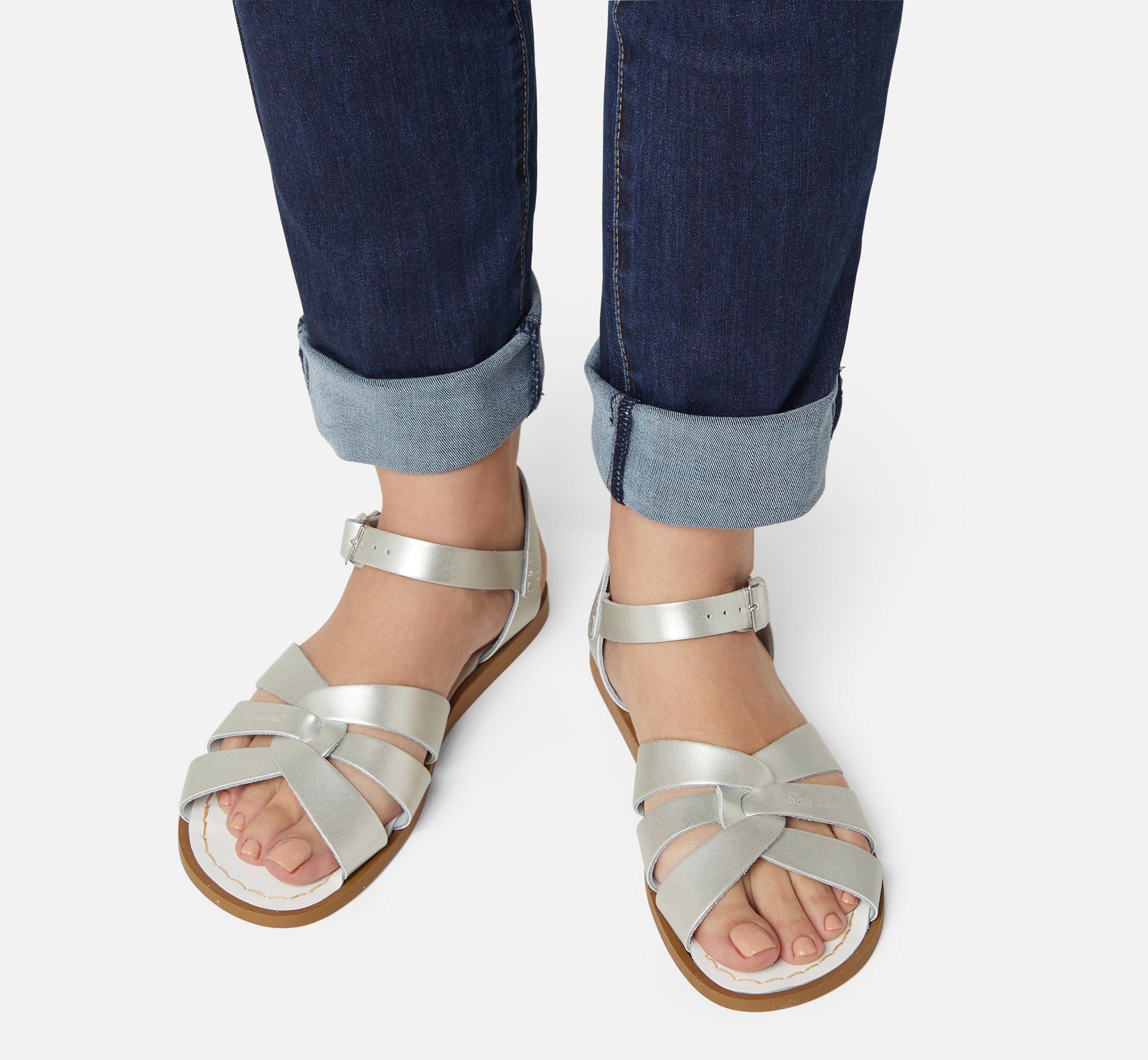
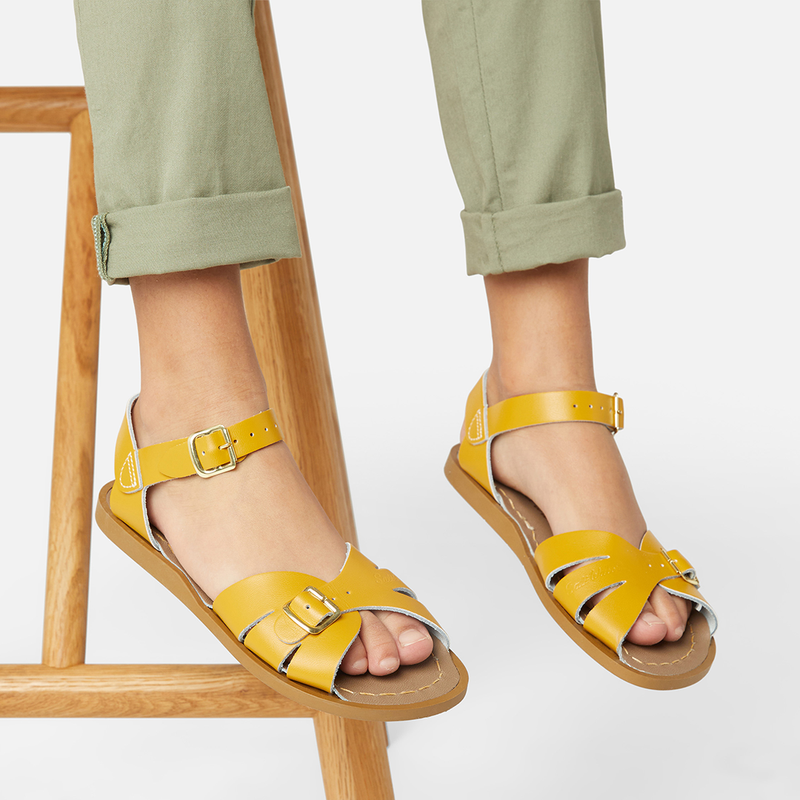
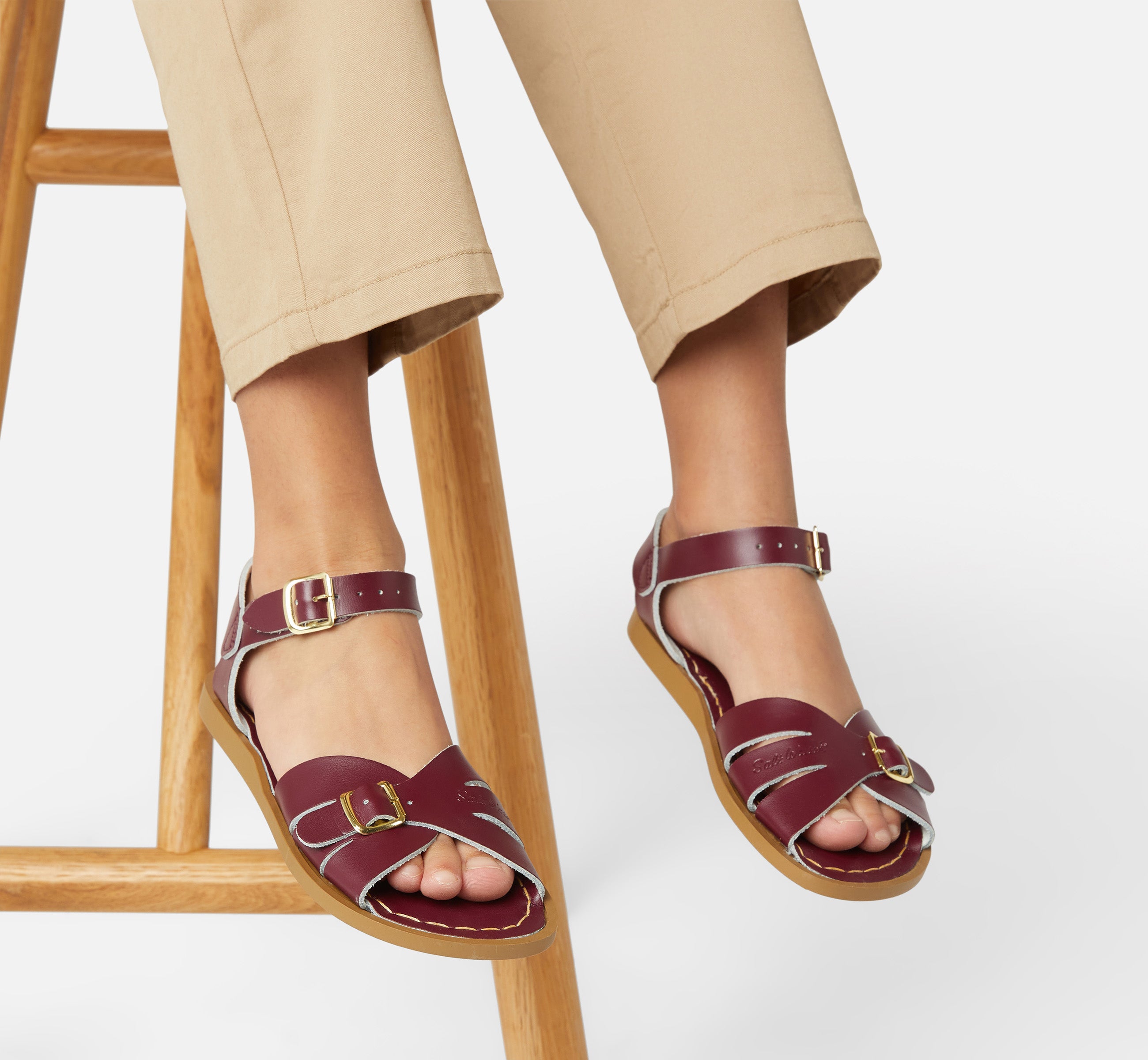
For shoppers in the United States, Salt-Water sandals can be comfortable for warm days, beach trips, travel, and casual walks. Their soft leather upper, flexible rubber sole, and simple strap design suit many feet. Still, they are not plush walking shoes.
Comfort depends on fit, foot shape, break-in time, and how far you plan to walk. A person who likes flat sandals may find Salt-Waters easy to wear. Someone who needs strong arch support or thick cushioning may prefer a sport sandal.
This guide explains what affects Salt-Water sandal comfort, how to choose the right size, and when another type of shoe may be a better fit.
Why Salt-Water Sandals Can Feel Comfortable
Salt-Water sandals have a few design traits that support everyday comfort:
- A soft leather upper: Leather can soften and shape to the foot over time.
- A flexible rubber sole: The sole bends more easily than a stiff wedge or dress sandal.
- An adjustable buckle: The buckle helps hold the foot in place.
- A flat footbed: The level base can feel stable for short walks.
- Water-friendly construction: Many Salt-Water styles are made to be worn in water and then dried.
The sandals also have a low profile. This can make them feel light and easy to pack. Their open design lets air reach the foot, which may help on hot days.
That said, comfort is not the same as support. Salt-Water sandals usually do not have the deep heel cups, molded arch shapes, or thick foam found in many walking sandals.
The brand says its classic sandals can be worn in water. Its official care guidance still advises users to let the leather dry naturally. Do not place wet leather sandals on a radiator or use high heat. Heat can dry and stiffen leather.
What “comfortable” means in this case
Comfort can mean several things:
- No rubbing at the heel or toes
- A secure fit without a tight strap
- Enough room for the toes to spread
- A sole that bends when you walk
- Enough support for the planned activity
- No sharp pressure under the arch or heel
A sandal can feel soft but still lack support. It can also offer good support but rub the skin. The best choice depends on which comfort factor matters most to you.
Are Salt-Water Sandals Comfortable for Walking?
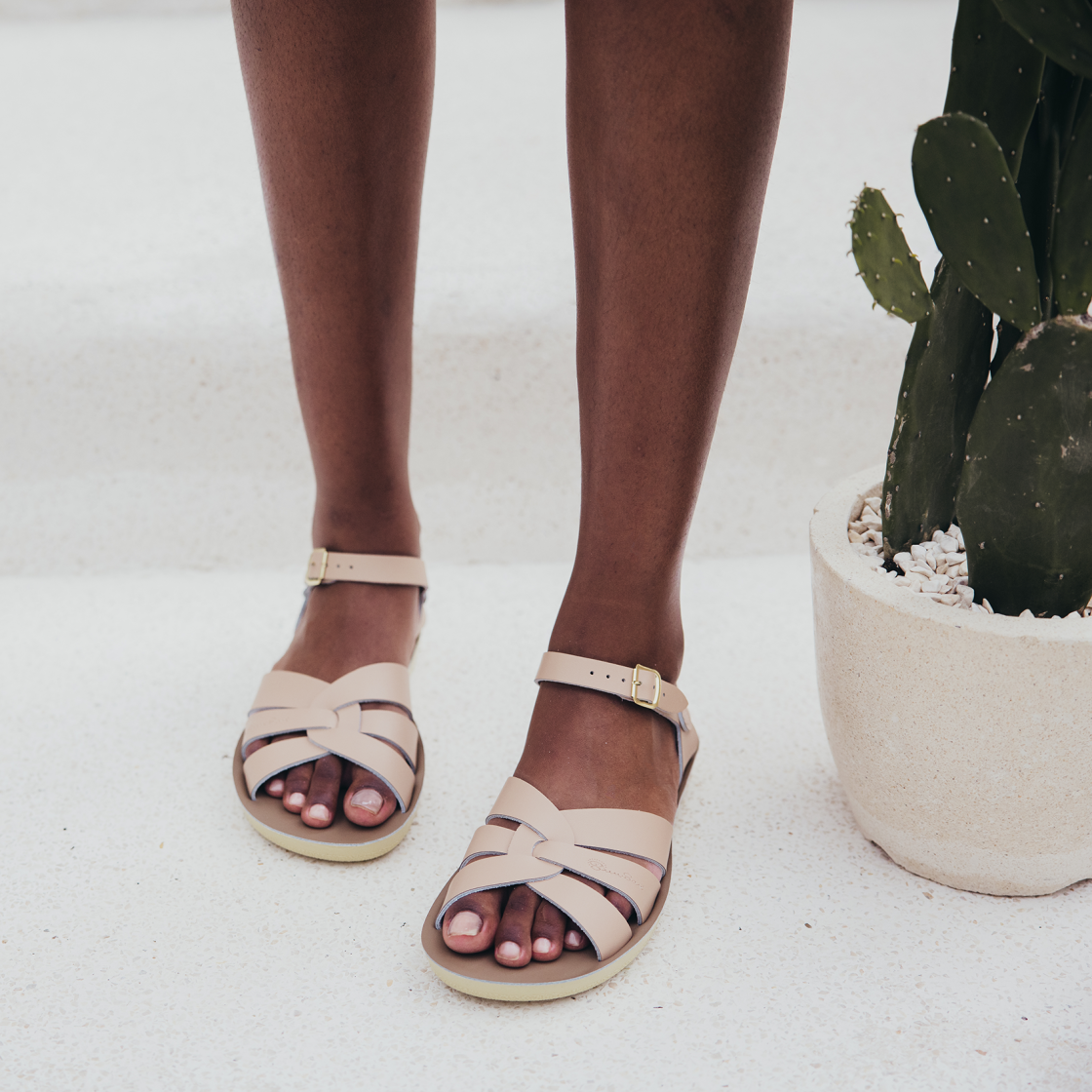
Salt-Water sandals are usually comfortable for light to moderate walking once they fit well and the leather has softened. They may work for errands, sightseeing with breaks, boardwalks, and casual city use.
They are less suited to long hikes, steep trails, or days when your feet need strong shock control. The flat sole gives little cushioning compared with a modern athletic sandal.
Walking comfort by activity
| Activity | Likely comfort | Main reason |
|---|---|---|
| Short errands | Good for many users | Light design and simple fit |
| Beach or pool use | Good, with care | Water-friendly materials |
| Casual sightseeing | Fair to good | Works best with breaks |
| All-day city walking | Depends on the foot | Limited cushioning and arch support |
| Hiking or rocky trails | Usually poor | Minimal tread and support |
| Driving | May feel comfortable | Flat sole and secure straps, if fitted well |
The sole has tread, but no casual sandal should be treated like a hiking shoe. Wet tile, smooth rock, algae, and painted surfaces can be slippery. Walk with care near pools, docks, and boat ramps.
If you plan to walk more than a few miles, test the sandals at home first. Wear them for 20 to 30 minutes. Check your skin after you remove them. A hot spot is an early sign of rubbing. Do not wait for a blister.
How the flat sole affects walking
A flat sole can feel natural to people who prefer low shoes. It may also feel tiring to people who are used to cushioned sneakers.
The sandal does not guide the foot in the same way as a structured walking shoe. That is not automatically bad. It simply means the shoe offers less built-in help. Your foot, ankle, and leg muscles do more of the work.
If you have foot pain, knee pain, or a history of overuse injuries, start with short wear periods. Stop if pain grows instead of settling as you walk.
Do Salt-Water Sandals Need to Be Broken In?
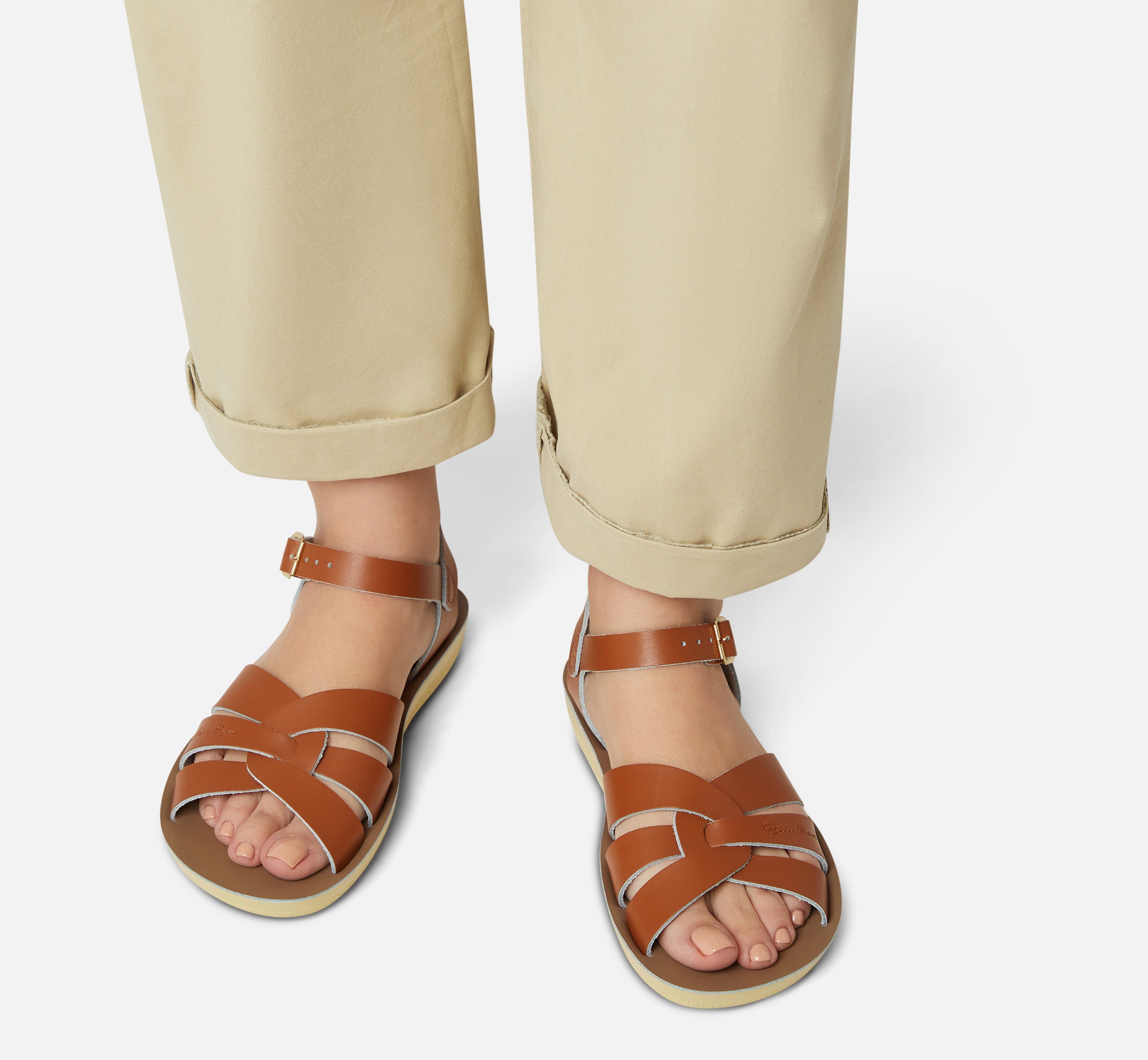
Most new leather sandals need some break-in time. Salt-Water sandals may feel firm at first, especially across the straps and at the edges of the footbed.
Break-in should mean gradual softening. It should not mean painful rubbing or forced stretching.
Follow this simple process:
- Wear the sandals indoors for 15 to 20 minutes.
- Check the heel, little toe, and strap edges.
- Wear them for a short outdoor trip if your skin feels fine.
- Increase wear time over several days.
- Stop if you see a blister, cut, swelling, or lasting redness.
Do not soak the sandals to make them stretch. The brand designs them for water, but soaking does not guarantee a better fit. It can also leave the leather stiff if the sandals dry too fast or in high heat.
A small amount of leather conditioner may help some leather shoes. Check the brand’s care advice first. The wrong oil or conditioner can darken leather, weaken the finish, or make the footbed slippery.
Signs of a normal break-in
These signs may be normal:
- The leather feels firm but not painful.
- The straps become more flexible after several wears.
- Mild pressure fades when you remove the sandals.
- Your foot stays centered on the footbed.
Signs the fit is wrong
These signs point to a sizing or shape problem:
- The strap cuts into the skin.
- Your heel hangs off the back.
- Your toes reach the front edge.
- Your foot slides forward with each step.
- Red marks remain for hours.
- Pain appears in the arch, heel, knee, or lower back.
Break-in cannot fix a sandal that is too short or too narrow. Do not expect leather to create extra length.
How Should Salt-Water Sandals Fit?
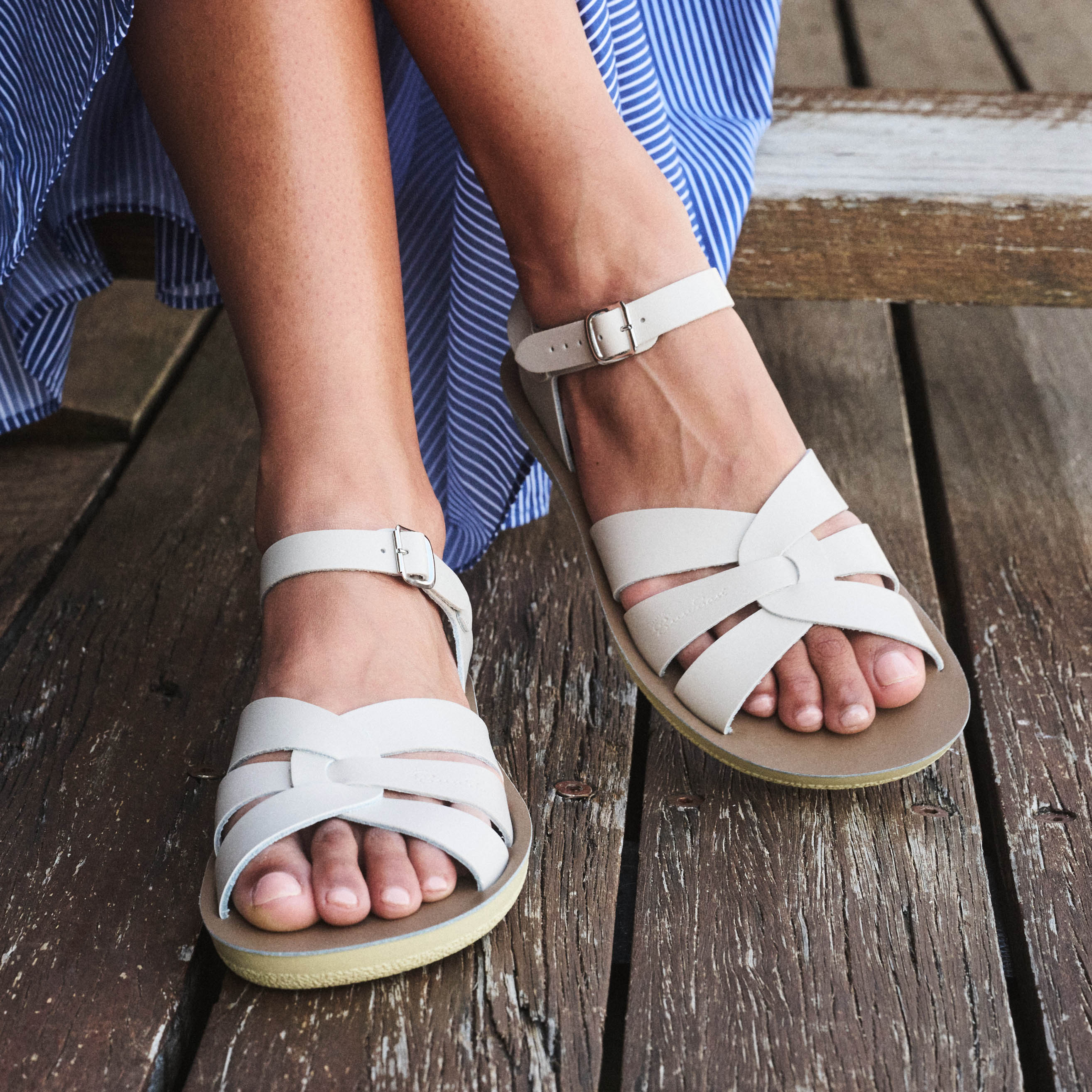
Salt-Water sandals should feel secure without squeezing the foot. Your heel should sit on the footbed, and your toes should not extend over the front edge.
The straps should touch the foot without cutting into it. You should not need to pull the buckle to its tightest setting to keep the sandal on.
Use this fit check:
- Stand up while wearing both sandals.
- Place your heel fully into the heel area.
- Check that your toes stay inside the front edge.
- Look for space at both sides of the foot.
- Walk on a safe indoor surface.
- Make sure the sandal does not twist or slide.
Measure both feet if you use a ruler. Many people have one foot that is slightly longer than the other. Choose a size that fits the larger foot, then adjust the straps.
Width matters
Some Salt-Water styles may feel narrow to people with wide feet. Leather can soften, but it will not always create enough width.
A wide-foot wearer should look for:
- No pressure over the widest part of the foot
- No bulging over the footbed edge
- No strap marks after a short trial
- A stable heel that does not slide sideways
If the sandal feels short and narrow, sizing up may solve only the length problem. It can leave too much space at the heel. In that case, a wider sandal shape may work better than a larger size.
Children’s fit
For children, check the fit often. Kids’ feet grow fast, and a sandal that fit in spring may feel short by mid-summer.
A child should have room to move the toes, but not so much room that the foot slides around. Loose sandals can cause trips. Tight sandals can cause rubbing and pressure.
Follow the retailer’s current size chart. Salt-Water sizing can vary by collection, and adult and children’s ranges may use different systems.
Do Salt-Water Sandals Have Good Arch Support?
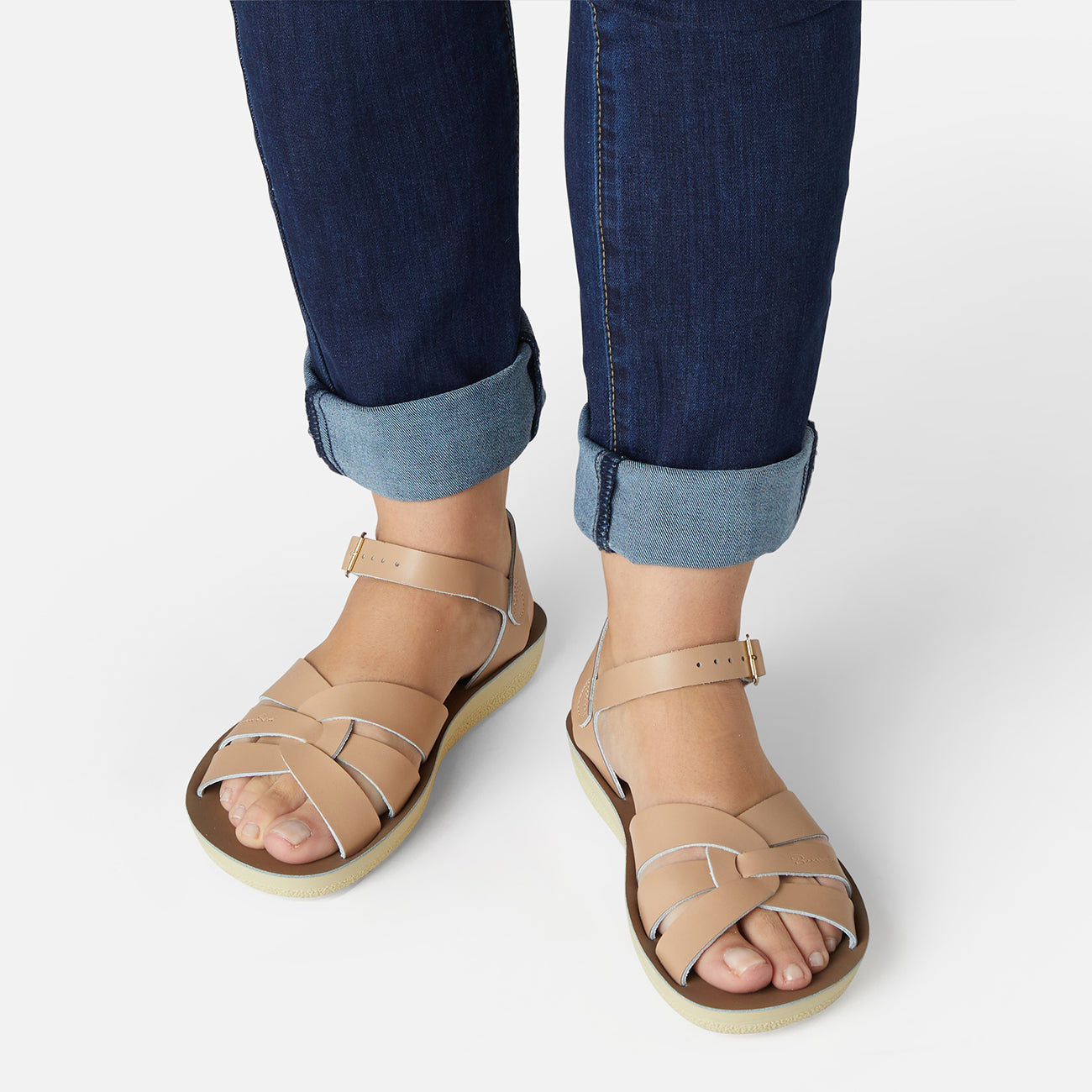
Salt-Water sandals provide limited arch support compared with structured walking sandals. Their footbed is mostly flat, with no prominent molded arch for many wearers.
That design may feel fine for people with healthy feet who prefer flexible, low sandals. It may feel tiring for people who rely on built-in arch support.
Consider a supportive sandal instead if you often need:
- A shaped arch
- A deep heel cup
- Thick heel cushioning
- Motion control
- A firm sole that reduces bending
A flat sandal is not automatically harmful. However, footwear comfort is personal, and foot problems can change the answer.
If you have plantar heel pain, severe bunions, diabetes, reduced sensation, or a recent foot injury, ask a podiatrist or other qualified clinician about suitable footwear. Reduced sensation is especially important because rubbing may go unnoticed.
Do not add an insert unless it fits safely. A bulky insert can lift the heel, reduce strap security, and make the foot slide. It may also change the sandal’s fit in ways the maker did not intend.

Are Salt-Water Sandals Comfortable in Water?
Salt-Water sandals are designed for use around water, which is one of their main advantages. The leather and rubber construction can handle wet conditions when the sandals are cared for correctly.
Water use does not mean the sandals are ideal for every wet surface. The sole may lose grip on smooth tile, slick rock, or boat decks. The sandal can also feel different when wet because the leather may become firmer or heavier.
After wearing them in water:
- Rinse off salt, sand, or chlorine if needed.
- Wipe away excess water.
- Let the sandals dry at room temperature.
- Keep them away from direct heat.
- Check the straps and buckles before the next wear.
Salt and chlorine can leave residue on leather. Regular rinsing can help limit buildup. Sand can also create rubbing between the foot and footbed, so rinse or wipe the sandals after a beach day.
Do not store them while they are damp. Moisture trapped in a dark space can lead to odor or material damage.
Water comfort versus beach comfort
A water-friendly sandal is not the same as a water shoe. Salt-Water sandals may work well for walking from a car to the beach or for casual use near a pool. They offer less protection from sharp shells, hot sand, stones, and rough surfaces than a closed water shoe.
For rocky shorelines or active water sports, choose footwear made for that setting.

Who Will Find Salt-Water Sandals Comfortable?
Salt-Water sandals are most likely to suit people who want a simple, flat, casual sandal for warm weather.
They may be a good match if you:
- Prefer a low and flexible sole
- Like leather footwear
- Need a sandal for casual use
- Want a water-friendly design
- Do not need strong arch support
- Are willing to allow a short break-in period
They may not suit you if you:
- Need heavy cushioning
- Have a wide or unusually shaped foot
- Plan to hike or run
- Get blisters easily from firm straps
- Need medical-grade support
- Want a soft foam footbed from the first wear
Salt-Water sandals compared with other sandal types
| Sandal type | Main comfort strength | Main trade-off |
|---|---|---|
| Salt-Water leather sandal | Simple fit and water-friendly leather | Limited cushion and arch support |
| Sport sandal | Support, grip, and secure straps | Often bulkier |
| Foam slide | Soft feel and easy entry | Less secure on uneven ground |
| Leather fashion sandal | Style and soft upper | May have less grip or support |
| Hiking sandal | Strong sole and foot protection | Heavier and less dressy |
The right choice depends on your use. For a short summer trip, Salt-Waters may be enough. For a full day on hard pavement, a cushioned sport sandal may leave your feet less tired.
Common Comfort Problems and Fixes
The straps rub
Possible cause: The sandal is new, too tight, or shaped poorly for your foot.
Try this: Loosen the buckle slightly and wear the sandal for a shorter period. If rubbing continues in the same place, stop wearing it. A different style or sandal shape may be safer than more break-in time.
The heel slips
Possible cause: The sandal is too long, the strap is loose, or the foot is sliding forward.
Try this: Adjust the strap while standing. If your heel still moves, check the size. Do not tighten the strap so much that it leaves deep marks.
The toes hang over the front
Possible cause: The sandal is too short or your foot slides forward.
Try this: Recheck the fit while standing. If the toes still reach the edge, choose a longer size or another style.
The foot feels tired
Possible cause: The flat sole does not provide enough support or cushioning for your walking distance.
Try this: Shorten the wear period. Use a supportive shoe for long walks. If tiredness becomes pain, stop and seek professional advice if it persists.
The footbed feels slippery
Possible cause: Water, sweat, sunscreen, or leather treatment is on the footbed.
Try this: Rinse or wipe the sandals according to the care instructions. Let them dry fully. Avoid applying products that leave an oily film.
How to Decide if Salt-Water Sandals Are Right for You
Use this quick decision guide:
- For casual summer wear: They are worth considering.
- For beach and pool trips: They can work, but watch for slippery surfaces.
- For long city walks: Try them indoors first and plan breaks.
- For hiking: Choose a sandal with stronger tread and support.
- For wide feet: Check width and side pressure before buying.
- For foot pain: Ask a qualified health professional before relying on a flat sandal.
Before your first outdoor wear, walk indoors for at least 20 minutes. The sandals should feel secure, with no sharp rubbing and no toe overhang. If they fail that test, return or exchange them within the seller’s policy rather than hoping the problem will disappear.
FAQs
Are Salt-Water sandals good for all-day wear?
They can be comfortable for all-day casual wear if they fit well and your feet tolerate a flat sole. They may feel tiring during long walks because they have less cushioning and arch support than many sport sandals.
Can you wear Salt-Water sandals in the rain?
Yes, the sandals are designed to handle water. Let them dry naturally afterward. Avoid radiators, hair dryers, and other high heat, which can damage or stiffen leather.
Do Salt-Water sandals stretch?
The leather may soften and relax with wear. It will not reliably add much length. If your toes reach the edge or your heel hangs off, choose a different size or style.
Are Salt-Water sandals good for wide feet?
They may work for some wide feet, but fit varies by style and foot shape. Watch for pressure at the widest part of the foot. Do not size up only to gain width unless the length remains safe.
Do Salt-Water sandals have arch support?
They offer a mostly flat design rather than strong molded arch support. People who need structured support may be more comfortable in a sport or orthopedic sandal.
Conclusion
Salt-Water sandals can be comfortable for casual U.S. summer use, beach trips, and short to moderate walks. Their main benefits are a flexible sole, adjustable straps, leather comfort, and water-friendly construction.
Their limits are just as clear: modest cushioning, limited arch support, and a break-in period. Fit matters more than the brand name. Check the length, width, strap pressure, and walking stability before wearing them for a full day.
Choose Salt-Water sandals when you want a simple, flat leather sandal. Choose a sport or supportive sandal when your plans involve long walks, rough ground, or a strong need for cushioning and arch control.

Michael Smith is the Content Strategist behind The Style Hub, where fashion meets function. With a keen eye for trends and a passion for everyday style, he curates content that helps readers make smarter, more stylish choices—from the perfect pair of sneakers to must-have accessories. Michael specializes in breaking down fashion into practical, wearable insights, making style accessible for everyone. When he’s not researching the latest trends, he’s exploring how comfort, innovation, and timeless design come together in modern fashion.