Popular women’s sneakers in the United States fall into a few clear groups: everyday lifestyle shoes, running shoes, walking shoes, training shoes, and fashion-focused retro styles. Commonly seen models include the Nike Air Force 1, Nike Dunk Low, Adidas Samba OG, New Balance 574, New Balance 530, ASICS GEL-1130, On Cloud 5, Hoka Clifton, Brooks Ghost, Converse Chuck Taylor All Star, and Vans Old Skool.
The best pair depends on how you plan to use it. A flat fashion sneaker may look great with jeans but offer little support for long walks. A cushioned running shoe may feel better for travel or errands but look less formal. This guide compares popular choices sold in the U.S. and explains what each type does well.
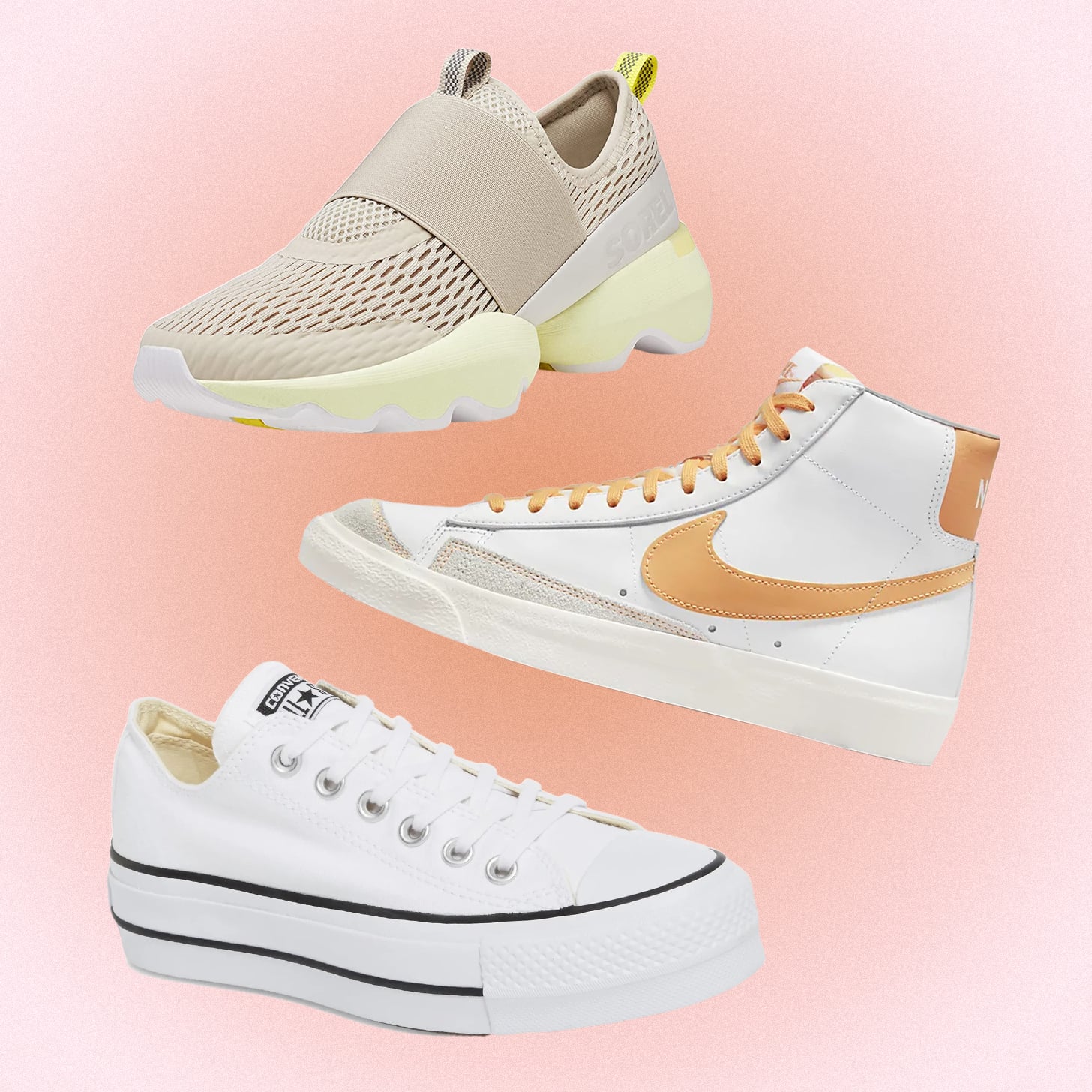
The Most Popular Types of Women’s Sneakers
The most popular sneakers for women usually fit one of five needs:
- Everyday wear: Casual shoes for jeans, skirts, work outfits, and errands.
- Walking: Shoes with cushioning and support for long periods on your feet.
- Running: Shoes made for repeated impact during walks, jogs, and runs.
- Training: Stable shoes for gym workouts, lifting, and lateral movement.
- Fashion: Retro or statement styles chosen mainly for their shape and color.
A sneaker can fit more than one group. For example, the New Balance 574 is a casual lifestyle shoe, but some people also use it for light walking. A Brooks Ghost is built for running, yet it can work well for daily errands if you prefer a sportier look.
The key difference is the shoe’s design. Running shoes often have more foam and a curved shape. Training shoes tend to sit flatter and feel more stable. Fashion sneakers may use firmer rubber soles and less cushioning.
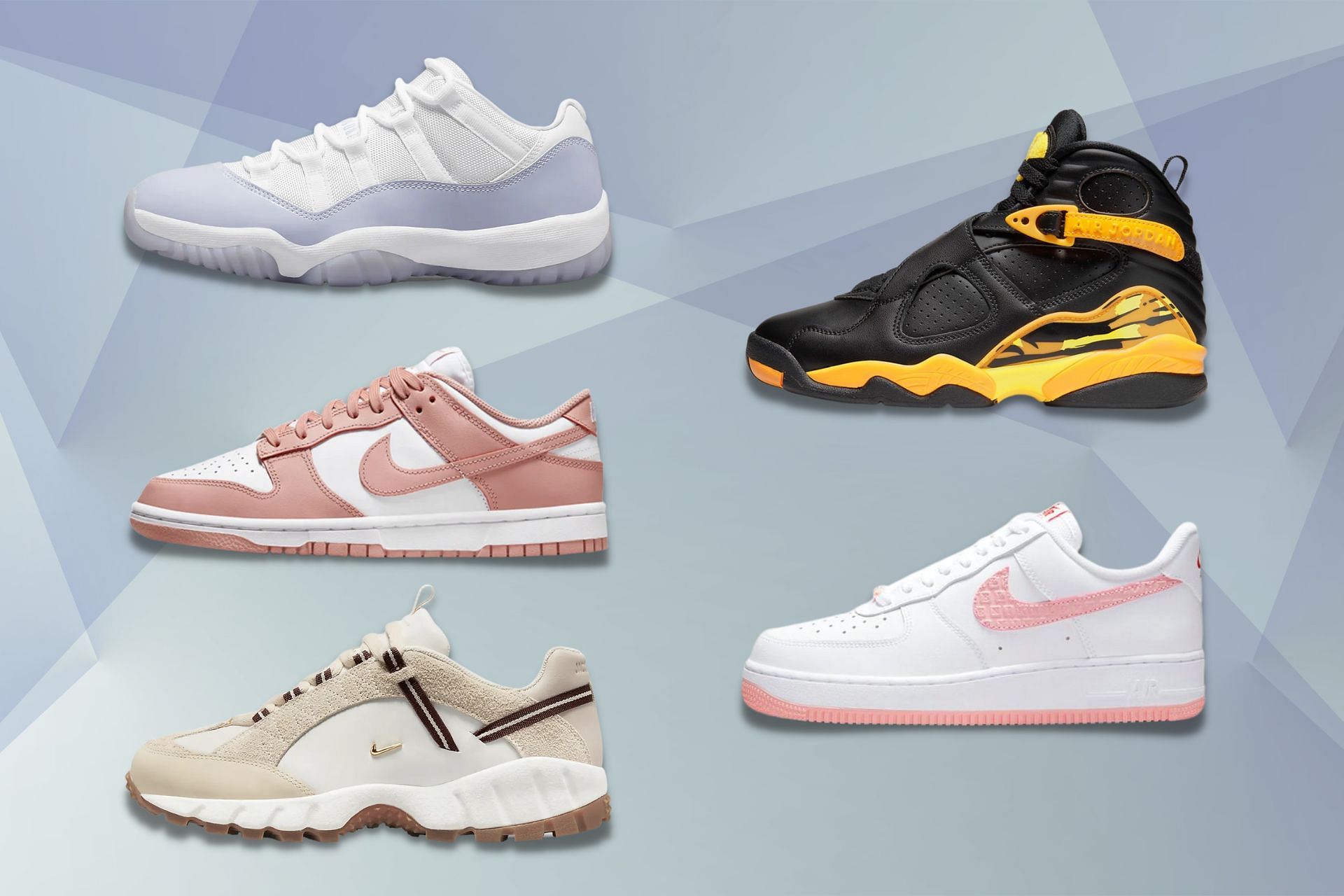
Popular Everyday Sneakers for Women
Everyday sneakers are the most flexible choice. They work for casual outfits, travel, school, shopping, and light daily walking.
Nike Air Force 1
The Nike Air Force 1 remains one of the best-known casual sneakers in the U.S. Its simple shape works with jeans, wide-leg pants, shorts, and casual dresses. The shoe has a firm rubber outsole and a structured leather or synthetic upper on many versions.
Best for:
- Classic streetwear
- Casual outfits
– People who want a clean white sneaker - Moderate daily use
Limitations: The Air Force 1 can feel heavier and less flexible than a modern running shoe. Its cushioning is also not designed for long-distance walking or running.
Adidas Samba OG
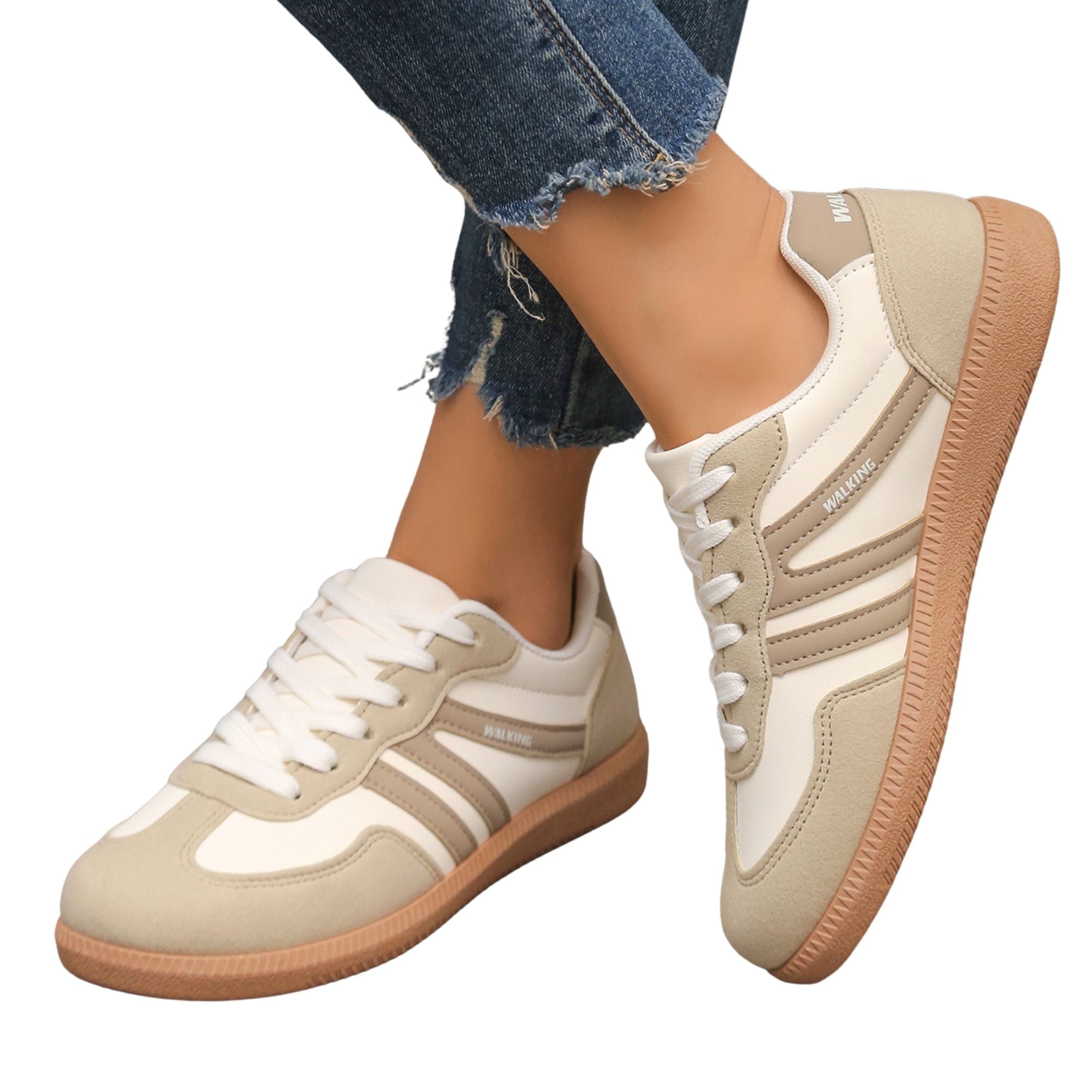
The Adidas Samba OG has a low profile, slim shape, and strong soccer-inspired design. It is popular with people who want a retro sneaker that looks neat with tailored pants, jeans, or skirts.
Best for:
- Slim, low-profile styling
- Casual city outfits
- Retro fashion
- People who prefer a firm, close-to-the-ground feel
Limitations: The narrow shape may not suit wide feet. The flat sole is better for casual use than for long walks or high-impact exercise.
Adidas Gazelle
The Adidas Gazelle is another classic lifestyle sneaker. It often uses a suede upper, which gives it a soft retro look. Color choices range from simple black, white, and gray to brighter seasonal shades.
Best for:
- Casual outfits
- Retro style
- Low-impact daily wear
- People who like a soft, flexible upper
Limitations: Suede can stain and may need more care than smooth leather or synthetic materials. It is not a running or training shoe.
New Balance 574
The New Balance 574 is a long-running casual model with a mixed suede, mesh, or synthetic upper, depending on the version. It has a wider-looking shape than many slim fashion sneakers and is available in many colors.
Best for:
- Everyday wear
- People who prefer a roomier shape
- Casual walking
- Classic American sneaker style
Limitations: Fit can vary by width and version. Check the product page for available width options rather than assuming every 574 has the same fit.
Converse Chuck Taylor All Star
The Converse Chuck Taylor All Star is recognized for its canvas upper, rubber toe cap, and flat sole. It is one of the most versatile casual shoes for simple outfits.
Best for:
- Casual fashion
- Canvas sneaker fans
- Flat, flexible styling
- People who want many color choices
Limitations: The classic version has limited arch support and cushioning. For long days on your feet, the thicker-cushion versions may feel better than the standard model.

Popular Retro and Fashion Sneakers
Retro sneakers are popular because they add shape and personality to a simple outfit. They are often worn with straight-leg jeans, cargo pants, leggings, denim skirts, or casual dresses.
New Balance 530
The New Balance 530 has a mesh-and-synthetic design and a visible running-shoe-inspired shape. It offers a more athletic look than the 574 while still working as a lifestyle shoe.
Best for:
- Y2K-inspired outfits
- Casual walking
- People who like a visible mesh design
- A sporty everyday look
Limitations: It is not a substitute for a current running shoe if you plan to run regularly. The fit may feel different from other New Balance models.
ASICS GEL-1130
The ASICS GEL-1130 is a retro-style sneaker based on running footwear. It often has a breathable mesh upper, synthetic overlays, and a visible GEL cushioning element.
Best for:
- Sporty casual outfits
- People who want a retro running look
- Light daily walking
- A more technical-looking sneaker
Limitations: A lifestyle version does not automatically provide the same design or support as a current ASICS running model. Use the shoe for its stated purpose.
ASICS GEL-KAYANO 14
The ASICS GEL-KAYANO 14 has a layered mesh-and-synthetic design and a strong early-2000s running aesthetic. Its shape is more substantial than a slim sneaker such as the Samba.
Best for:
- Chunkier retro style
- Sporty outfits
- People who prefer a technical look
- Casual use with more visible cushioning
Limitations: The shoe may look too bulky for someone seeking a sleek, minimal style. Fit varies by foot shape, so trying it on is useful.
Nike Dunk Low
The Nike Dunk Low is a low-cut basketball-inspired sneaker. Its color-blocked panels make it popular for casual outfits and sneaker collections.
Best for:
- Streetwear
- Color-blocked styling
- Casual outfits
- People who want a low-cut basketball look
Limitations: The Dunk Low is not designed as a running shoe. Some wearers find its shape firm or narrow, especially compared with cushioned walking shoes.
Vans Old Skool
The Vans Old Skool is known for its side stripe, canvas or suede panels, and flat rubber sole. It works well for casual and skate-inspired clothing.
Best for:
- Skate style
- Casual outfits
- Flat, stable ground feel
- People who like canvas and suede details
Limitations: The classic model may not provide enough cushioning for long walks. Water and suede care also vary by version.

Popular Walking and Travel Sneakers
For travel, commuting, and long days on your feet, cushioning and fit matter more than trend value. Look for enough space in front of the toes, a secure heel, and a sole that bends in a natural place.
On Cloud 5
The On Cloud 5 is a lightweight lifestyle and walking-oriented sneaker with a distinctive sole design. It has a clean shape that can work with travel clothing and casual work outfits.
Best for:
- Travel
- Daily walking
- People who like a lightweight feel
- Clean, modern styling
Limitations: The sole feel is personal. Some people like its firm, responsive ride, while others prefer a softer foam shoe. Try it on if possible.
Hoka Clifton
The Hoka Clifton is a cushioned running shoe that many people also use for walking and travel. It has a thick midsole and a rocker-like shape that can help the foot move forward during each step.
Best for:
- Long walks
- Travel days
- People who prefer generous cushioning
- Casual running and walking, when the fit is correct
Limitations: The taller sole may feel less stable to people who prefer a low, flat shoe. The design is also more athletic than a traditional fashion sneaker.
Brooks Ghost
The Brooks Ghost is a neutral running shoe designed for road running and everyday training. Its cushioning and conventional shape make it a common choice for walking as well.
Best for:
- Walking
- Running
- Daily errands
- People who prefer a traditional running-shoe design
Limitations: The Ghost is a performance shoe, not a fashion sneaker. It may not suit someone who wants a slim or retro appearance.
New Balance Fresh Foam X 1080
The New Balance Fresh Foam X 1080 is a cushioned running and walking shoe. It is often available in several width options, although availability can differ by size and color.
Best for:
- Long walks
- Easy runs
- People who need more width choices
- Soft, cushioned comfort
Limitations: More cushioning does not guarantee a better fit. A shoe that is too soft, loose, or narrow can still cause discomfort.

Popular Sneakers for the Gym and Training
Gym shoes need a stable base. Running shoes are built to move forward, while training shoes must also handle side-to-side movement, short sprints, and strength exercises.
Nike Metcon
The Nike Metcon is designed for training and mixed gym workouts. It commonly combines a firm heel area with a more flexible front section.
Best for:
- Strength training
- Circuit workouts
- Cross-training
- People who want a stable gym shoe
Limitations: It may feel too firm for people who want a soft running shoe. It is also not the best choice for long-distance road running.
Reebok Nano
The Reebok Nano is another training shoe made for gym workouts and mixed movement. It is often chosen for exercises that require stability, flexibility, and a secure fit.
Best for:
- Weight training
- Functional fitness
- Short cardio sessions
- People who prefer a broad, stable base
Limitations: Like the Metcon, it is not a replacement for a dedicated running shoe.
What to Avoid in the Gym
Avoid using a very soft, tall running shoe for heavy lifting or exercises that require strong lateral control. The shoe may feel comfortable but less stable. For treadmill running, a running shoe is usually more suitable than a flat lifestyle sneaker.
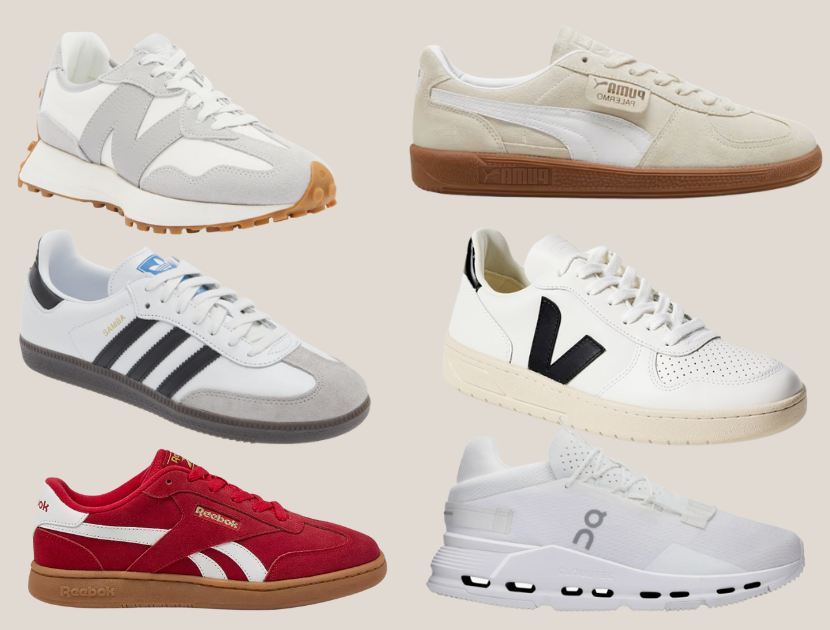
How to Choose the Right Popular Sneaker
The most popular shoe is not always the right shoe for your foot. Use this short process before buying.
1. Start with the main activity
Ask what you will do most often:
- Wear the shoe with casual outfits
- Walk for several hours
- Run on roads or treadmills
- Lift weights
- Take fitness classes
- Match a certain outfit
If one shoe must do many jobs, choose the activity that creates the greatest demand. For example, a shoe for daily walking and short runs should be tested like a running shoe, not only judged by its appearance.
2. Check the fit at the end of the day
Feet can swell during the day. Try shoes in the afternoon or evening while wearing the socks you expect to use.
A good fit usually includes:
- About a thumb’s width of space in front of the longest toe
- No pressure across the widest part of the foot
- A heel that stays in place without harsh rubbing
- No pinching when you walk or bend your foot
Do not rely only on the size printed on the box. Sizes can differ between brands, models, and countries.
3. Match the shoe shape to your foot
A narrow, pointed-looking sneaker may feel restrictive on a wide foot. A wide, high-volume shoe may allow too much movement on a narrow foot.
Look at:
- Toe-box width
- Available width options
- Heel shape
- Upper stretch
- Insole length
- Arch and midfoot pressure
If you use custom orthotics, check whether the insole can be removed and whether the shoe has enough depth.
4. Consider cushioning and stability
More cushioning is not always better. Soft foam may feel pleasant at first but can feel unstable during lifting or side-to-side exercise. A firm, flat sole may feel stable but less comfortable for long walks.
Choose based on the movement you will perform, not just the thickness of the sole.

Quick Comparison Table
The table below compares popular sneaker groups by their main use. These are general categories, not guarantees for every person.
| Sneaker type | Examples | Main strength | Main limitation |
|---|---|---|---|
| Casual lifestyle | Nike Air Force 1, New Balance 574 | Versatile outfits | Limited performance support |
| Slim retro | Adidas Samba OG, Adidas Gazelle | Low-profile style | May feel narrow or firm |
| Sporty retro | New Balance 530, ASICS GEL-1130 | Athletic look and light walking | Not a current running substitute |
| Walking and travel | On Cloud 5, Hoka Clifton | Cushioning for daily movement | Shape and firmness are personal |
| Running | Brooks Ghost, New Balance 1080 | Repeated forward impact | Less suited to fashion or heavy lifting |
| Training | Nike Metcon, Reebok Nano | Stability for gym movement | Can feel firm for long walks |
| Skate-inspired | Vans Old Skool, Converse Chuck Taylor | Flat casual style | Often limited cushioning |
The main trade-off is simple: lifestyle sneakers prioritize appearance and versatility, while performance shoes prioritize movement and support. Some models overlap, but no single shoe performs every role equally well.
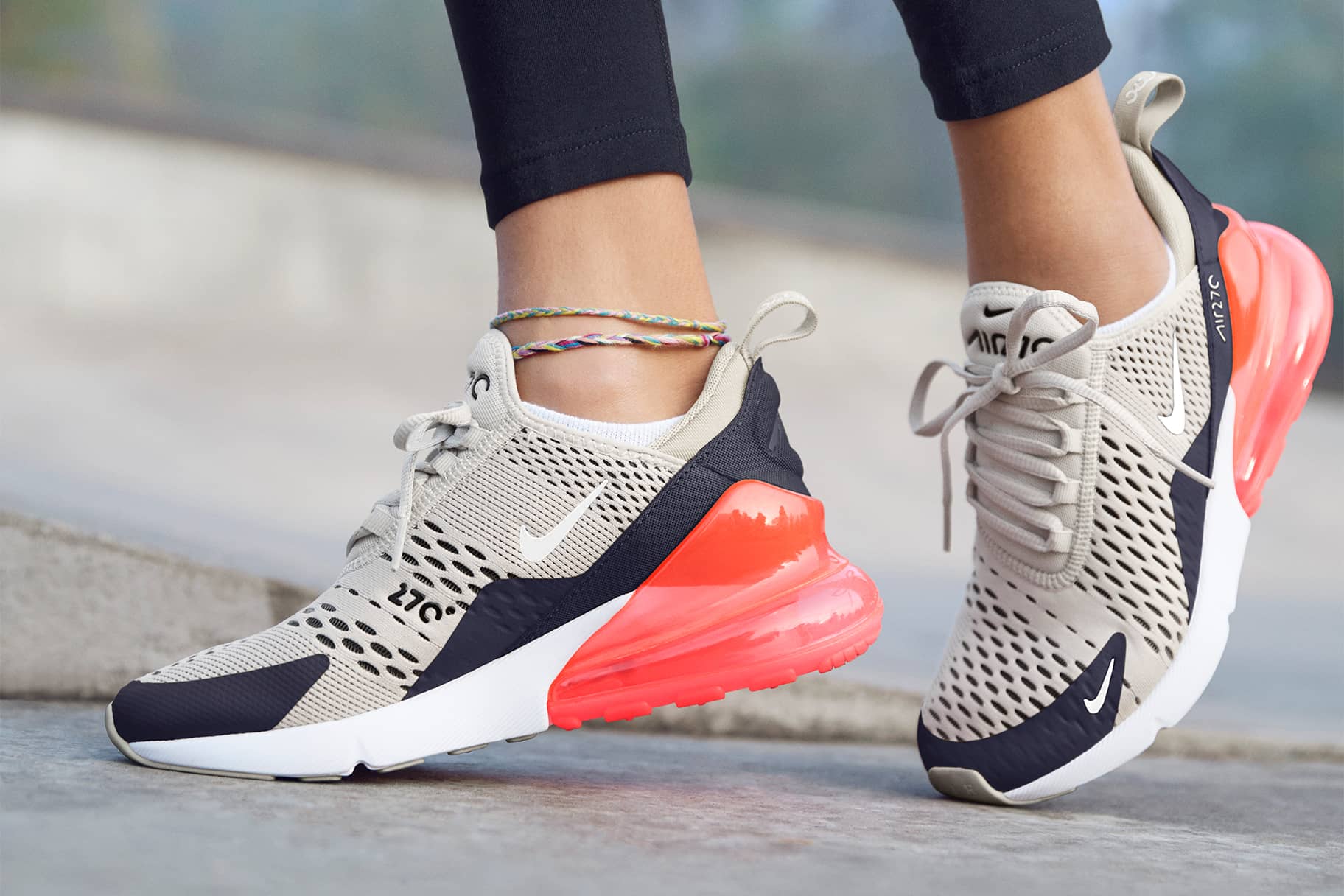
Popular White Sneakers for Women
White sneakers remain popular because they work with many colors and clothing styles. Common choices include:
- Nike Air Force 1
- Adidas Stan Smith
- Reebok Club C
- Veja Campo
- Converse Chuck Taylor
- New Balance 574 in a white or light colorway
White leather and synthetic uppers are usually easier to wipe clean than white canvas or suede. Still, care instructions vary by material. Do not soak leather or suede unless the manufacturer allows it.
For a cleaner look, choose a shape that fits your wardrobe. A slim white sneaker suits tailored pants and minimalist outfits. A thicker sneaker works better with wide-leg denim, cargo pants, and sporty clothing.

Are Popular Women’s Sneakers Different From Men’s Sneakers?
Sometimes, but not always. Many sneaker models are sold in both women’s and men’s versions, with differences in size range, width, color, and marketing. Some brands also change the shape or fit between versions.
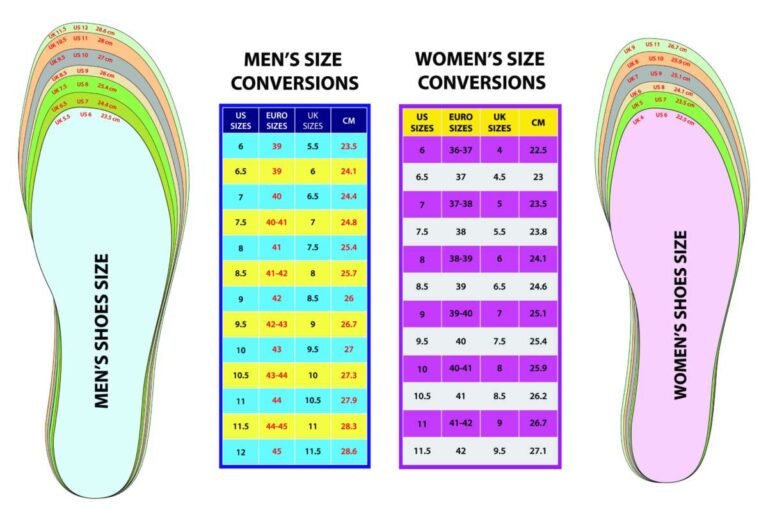
Women’s sizing is not a universal standard. A women’s U.S. size and a men’s U.S. size usually do not match directly, and the conversion varies by brand.
When comparing versions, check:
- The brand’s own size chart
- Width options
- Foot length in centimeters
- The return policy
- Whether the model uses a different last, or foot-shaped mold
Choose the version that fits your foot. The label matters less than the actual shape, length, and width.
Common Buying Mistakes
Choosing style before purpose
A fashionable flat sneaker may not feel good during a full day of walking. Decide how you will use the shoe before choosing its color or brand.
Assuming a higher price means better comfort
Price can reflect materials, design, and brand position. It does not prove that a shoe will fit your foot. Comfort is personal and depends on shape, size, socks, and activity.
Buying a shoe that is already too tight
Sneakers may soften slightly, but they should not need painful stretching. Pressure on the toes, sides, or top of the foot is a warning sign.
Ignoring return rules
Buy from a retailer with a clear return policy. Try shoes indoors on a clean surface first. Outdoor wear may make a return harder or impossible.
Using one pair for every activity
A casual sneaker, running shoe, and training shoe serve different purposes. Rotating shoes by activity can improve comfort and may help each pair last longer.

How Long Do Popular Sneakers Last?
There is no fixed replacement date for every sneaker. Replace a pair when the fit, cushioning, upper, or outsole no longer works well for you.
Signs to check include:
- The outsole is worn smooth in key areas
- The midsole feels flat or uneven
- The upper has stretched and no longer holds the foot
- The heel lining is damaged
- You feel new pain during normal use
- The shoe tilts or feels unstable on a flat surface
Running shoes may wear sooner than casual shoes because they receive repeated impact. Your body weight, mileage, surface, pace, and running form all affect wear. Follow the manufacturer’s guidance, but use the shoe’s condition and your comfort as practical checks.

Safety and Comfort Limits
Sneakers can improve comfort, but they cannot diagnose or treat a foot problem. Stop using a shoe if it causes persistent pain, numbness, blisters, swelling, or changes in your walking pattern.
If foot pain continues, becomes severe, follows an injury, or affects daily activity, seek advice from a qualified health professional. People with diabetes, reduced foot sensation, circulation problems, or a history of foot ulcers should ask a clinician about suitable footwear.
A shoe marketed for support is not automatically appropriate for every foot. Product claims describe intended design; they are not a personal medical recommendation.

Frequently Asked Questions
What are the most popular sneakers for women right now?
Commonly popular styles in the U.S. include the Nike Air Force 1, Nike Dunk Low, Adidas Samba OG, Adidas Gazelle, New Balance 574, New Balance 530, ASICS GEL-1130, On Cloud 5, Hoka Clifton, Brooks Ghost, Converse Chuck Taylor, and Vans Old Skool. Popularity changes by season, color, region, and retailer.
What are the best women’s sneakers for walking?
Running and walking-oriented shoes such as the Brooks Ghost, Hoka Clifton, New Balance Fresh Foam X 1080, and On Cloud 5 are common options. The best choice depends on fit, cushioning preference, walking surface, and whether you need a specific width.
Are white sneakers still popular for women?
Yes. White sneakers remain common because they match many outfits. Nike Air Force 1, Adidas Stan Smith, Reebok Club C, Converse, and New Balance models are widely used for white casual looks.
Can I wear running shoes as everyday sneakers?
Yes, many people wear running shoes for errands, travel, and walking. They may feel more comfortable than lifestyle sneakers, but their athletic shape may not suit every outfit. Replace them when the cushioning or tread shows wear.
Are flat sneakers good for standing all day?
They can work for some people, but a flat sole does not guarantee comfort. Standing all day may feel better in a shoe with a secure fit, enough cushioning, and room for natural toe movement. Test the shoe before committing to a full workday.
Should women buy sneakers in their usual size?
Use your usual size only as a starting point. Compare the brand’s size chart, measure your foot, and check the model’s width. Your size may change between brands or even between two models from the same brand.
Final Takeaway
The most popular sneakers for women in the U.S. include classic lifestyle shoes, retro designs, cushioned walking sneakers, running shoes, and stable gym trainers. Nike Air Force 1 and Adidas Samba suit casual style. New Balance and ASICS offer sporty retro options. Brooks, Hoka, On, and New Balance performance models are better suited to walking or running. Nike Metcon and Reebok Nano are built for training.
Choose by activity first, then fit, cushioning, width, appearance, and price. The right sneaker should feel secure without pinching, give your toes room, and match the way you plan to move.

Michael Smith is the Content Strategist behind The Style Hub, where fashion meets function. With a keen eye for trends and a passion for everyday style, he curates content that helps readers make smarter, more stylish choices—from the perfect pair of sneakers to must-have accessories. Michael specializes in breaking down fashion into practical, wearable insights, making style accessible for everyone. When he’s not researching the latest trends, he’s exploring how comfort, innovation, and timeless design come together in modern fashion.