Introduction
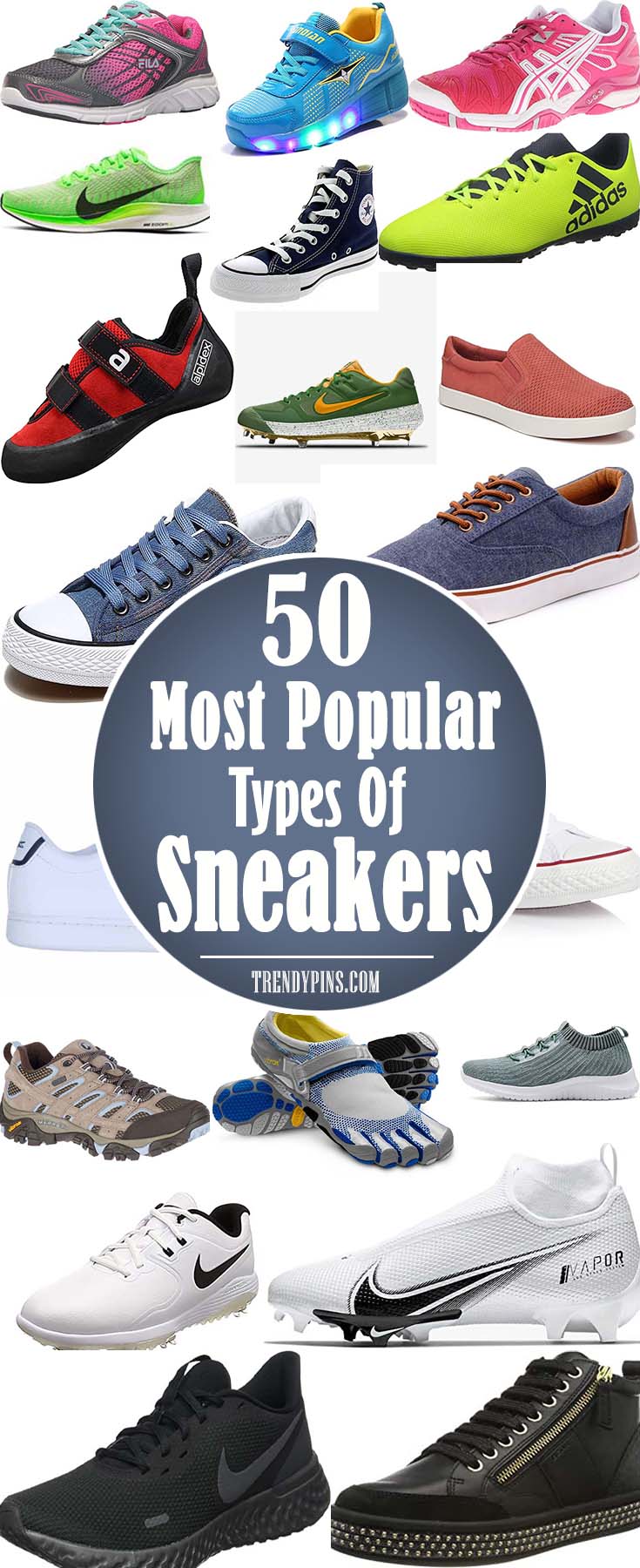
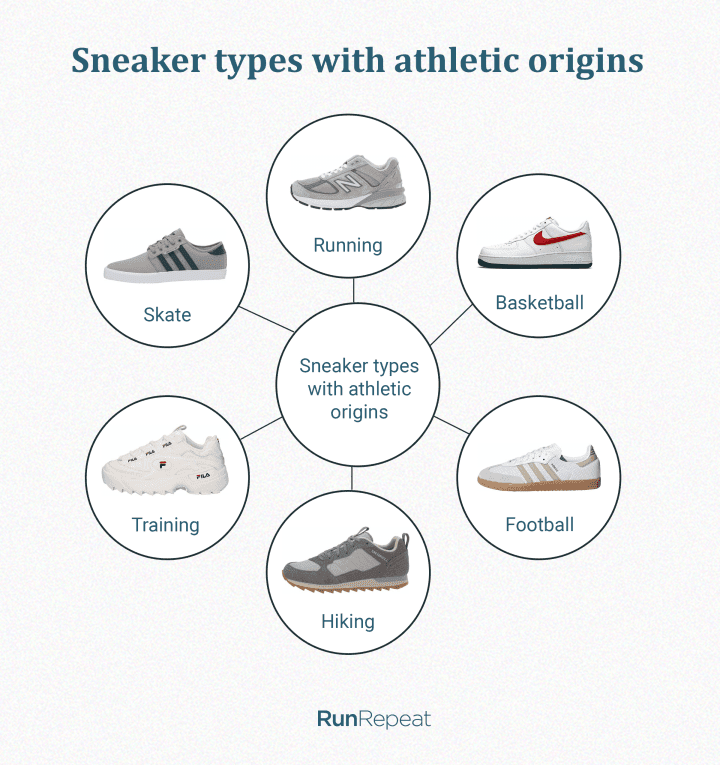
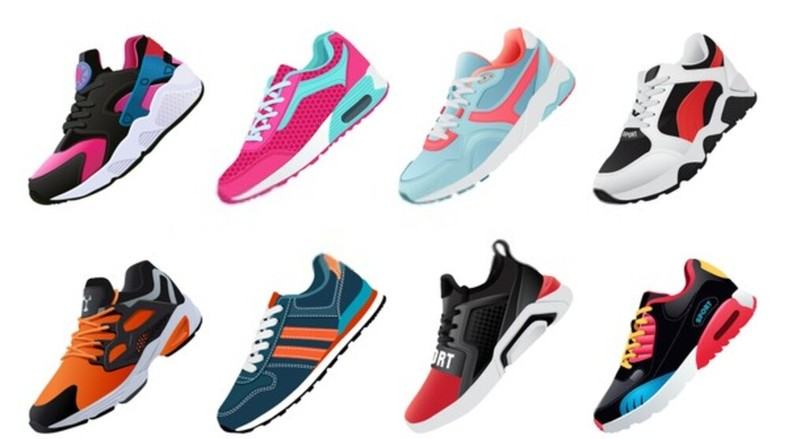
The different types of sneakers are designed for different jobs. Running shoes help absorb repeated impact. Basketball shoes support quick cuts and jumps. Trail shoes add grip for dirt and rocks, while lifestyle sneakers focus on casual wear and style.
In the United States, the word sneakers can mean almost any low-cut athletic or casual shoe. The best type depends on where you will wear it, how you move, the surface under your feet, and how much support and cushioning you prefer. A shoe made for a treadmill may feel unstable on a rocky trail, just as a casual sneaker may not provide enough grip for a tennis match.
This guide explains the main sneaker types, their key features, their limits, and how to choose the right pair for your needs.

Quick Answer: The Main Types of Sneakers
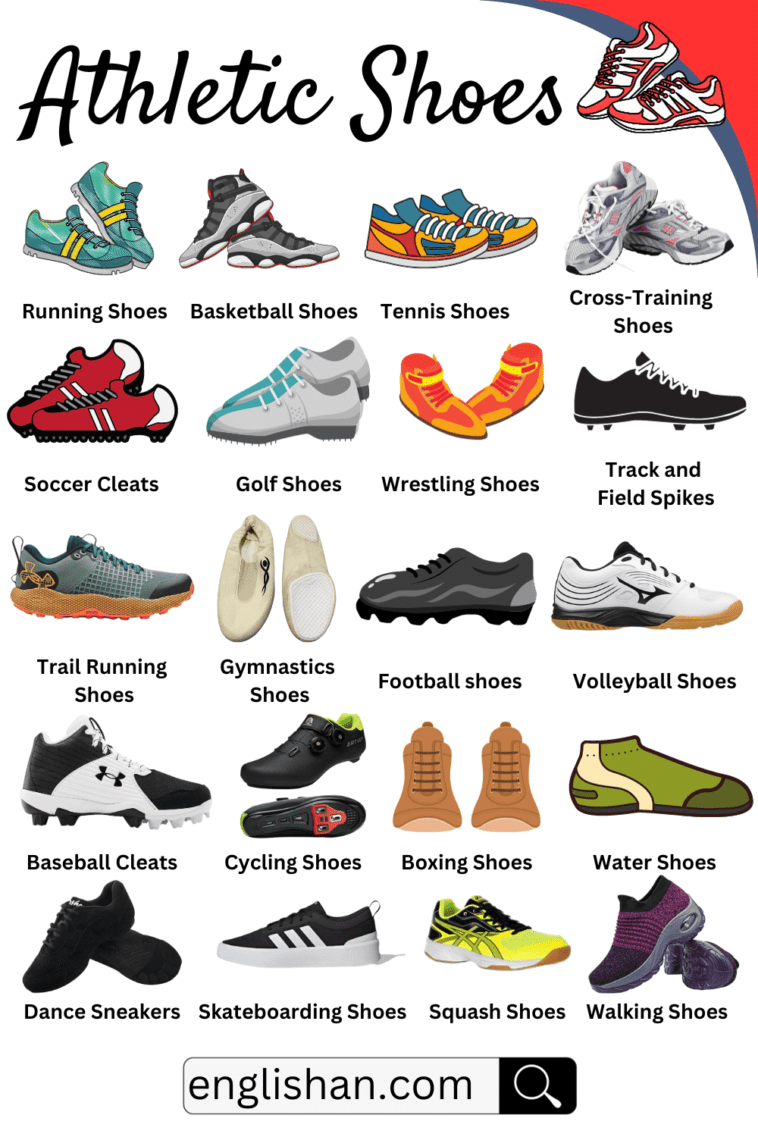
The most common sneaker types include:
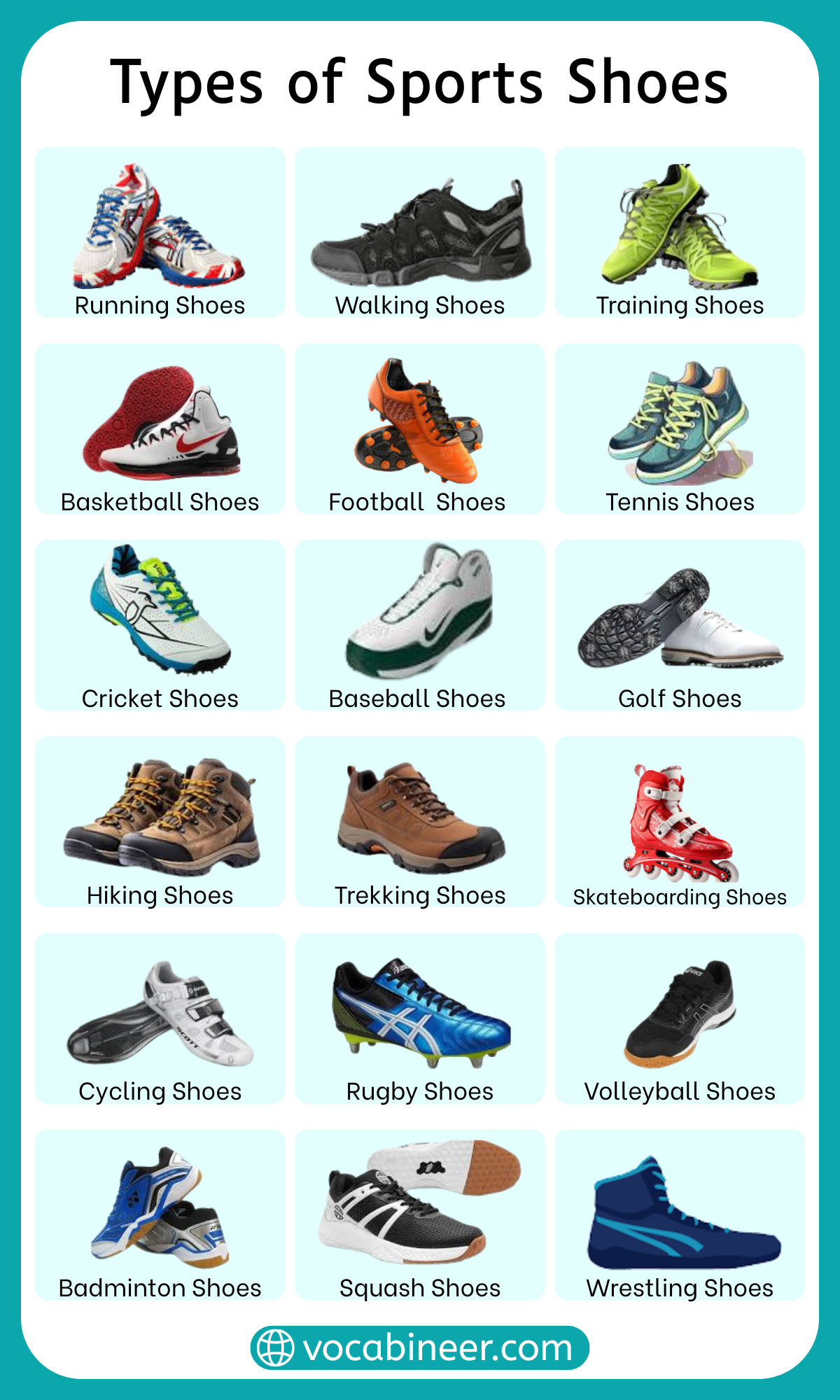
- Road running shoes for pavement, treadmills, and other smooth surfaces
- Trail running shoes for dirt, mud, gravel, and uneven ground
- Walking shoes for daily walks and long periods on your feet
- Cross-training shoes for gym workouts with mixed movements
- Basketball shoes for indoor courts, jumps, and quick changes of direction
- Tennis shoes for side-to-side court movement
- Volleyball shoes for indoor court grip and repeated jumps
- Skate shoes for board control and protection during skating
- Hiking shoes and approach shoes for trails and outdoor travel
- Lifestyle sneakers for casual wear and fashion
- Minimalist and barefoot-style shoes for people who prefer less structure
- Slip-on and recovery sneakers for convenience or relaxed daily use
These labels describe a shoe’s intended use. They do not guarantee that every model will suit every foot or activity.
1. Road Running Shoes
Road running shoes are made for pavement, sidewalks, tracks, and treadmills. They usually have a smooth outsole, a cushioned midsole, and a flexible upper that helps the foot move through a repeated stride.
Most road running shoes fall into two broad groups:
- Neutral running shoes: Built for runners who do not want added guidance features.
- Stability running shoes: Include design features intended to provide a more guided feel during the stride.
The term “stability” does not mean a shoe can diagnose or fix a medical problem. Foot motion varies from person to person, and comfort remains a useful part of shoe selection. A shoe that feels stable to one runner may feel stiff or restrictive to another.
Best for
- Road running
- Treadmill running
- Track workouts
- Daily training on smooth paths
- Some walking, if the fit feels comfortable
Main trade-off
Road shoes are often light and smooth, but their outsoles may wear faster on rough ground. They may also lack the deep tread needed for wet dirt, loose gravel, or mud.

2. Trail Running Shoes
Trail running shoes are designed for uneven outdoor surfaces. Their outsoles often use deeper lugs, which are the raised shapes that bite into dirt, gravel, roots, and loose soil.
Many trail shoes also have:
- A more protective toe area
- A firmer platform
- Extra upper support
- A rock plate or similar layer in some models
- Water-resistant or waterproof materials in certain designs
A waterproof trail shoe can help keep water out, but it may also hold heat and moisture inside. Water resistance is not the same as full protection in deep water or heavy rain.
Best for
- Dirt trails
- Forest paths
- Gravel roads
- Hilly routes
- Outdoor runs and hikes
Main trade-off
Deep tread improves grip on loose ground, but it can feel less smooth on pavement. Some trail shoes also feel heavier and less flexible than road models.

3. Walking Shoes
Walking shoes are made for steady, repeated steps rather than fast running or sharp court movements. They often have a comfortable upper, moderate cushioning, and an outsole suited to sidewalks and indoor floors.
Some walking shoes use a flexible design. Others feel firmer and more structured. Neither style is automatically best. The right choice depends on the wearer’s comfort, foot shape, walking surface, and daily use.
Best for
- Daily walks
- Travel
- Errands
- Standing for long periods
- Casual work settings, when allowed
Walking shoes can also work for light exercise. They are not usually the best option for sprinting, court sports, or technical trails because they are not built for those demands.
What to check
Look for enough room for the toes to spread without letting the heel slip. Try shoes later in the day if your feet tend to swell. A pair that feels tight in the store will rarely become more comfortable with use.

4. Cross-Training Shoes
Cross-training shoes are built for mixed gym workouts. They aim to balance stability, flexibility, cushioning, and ground contact instead of specializing in one sport.
A typical cross-trainer may work well for:
- Weight training
- Fitness classes
- Circuit workouts
- Light jumps
- Short treadmill sessions
- General gym use
Many models have a wider, firmer base than running shoes. This can help during lifting and side-to-side movement. However, a cross-trainer may feel less comfortable than a running shoe during a long run.
Best for
Choose a cross-training shoe when your routine includes several activities and no single activity dominates. If you mainly run, a running shoe is usually more specific to that task. If you lift heavy weights, you may prefer a flatter and firmer training shoe.

5. Basketball Shoes
Basketball shoes are designed for repeated jumps, fast stops, and rapid changes of direction on a court. Their features often include cushioning, a supportive upper, and a rubber outsole with a court-focused traction pattern.
Basketball shoes may have:
- Low, mid, or high collars
- A broad base
- Reinforced areas around the toe and sides
- Cushioning for jumps and hard landings
- Rubber tread designed for indoor court surfaces
A high collar does not automatically prevent ankle injuries. Ankle support also depends on the shoe’s overall design, fit, the player’s movement, and other factors.
Best for
- Indoor basketball
- Some outdoor basketball, if the outsole is made for it
- Players who need court traction and lateral support
Outdoor courts can wear down soft rubber quickly. If you play outside often, check whether the manufacturer describes the outsole as suitable for outdoor use.

6. Tennis Shoes
Tennis shoes are made for repeated side-to-side movement, sudden stops, and short bursts across a court. Their soles and uppers are usually more focused on lateral stability than standard running shoes.
Tennis shoe designs may vary by court:
- Hard-court shoes: Often use durable outsoles to handle abrasive surfaces.
- Clay-court shoes: Usually have tread patterns that help with sliding and court contact.
- Grass-court shoes: May use a patterned sole suited to lower-friction grass surfaces.
A tennis shoe can be a good choice for pickleball, but the best option depends on the court and how aggressively you move. Running shoes may feel comfortable at first but can lack the side support needed for repeated lateral cuts.
Main trade-off
Tennis shoes often feel more stable from side to side, but they may feel heavier and less springy than running shoes.
7. Volleyball Shoes
Volleyball shoes are indoor court shoes built for jumping, landing, and quick movement. They commonly use non-marking rubber outsoles and a design that helps the player stay connected to the floor.
They often emphasize:
- Indoor traction
- Forefoot flexibility
- Cushioning for repeated jumps
- Side-to-side control
- A secure upper
Volleyball shoes are not only for volleyball. They may also suit some indoor court workouts, although the fit and traction should match the activity.
Avoid using indoor court shoes outdoors unless the maker allows it. Rough pavement can wear down the sole and change its grip.
8. Skate Shoes
Skate shoes are designed to help riders control a skateboard while protecting the feet from repeated impact and board contact. They often use flat or low-profile soles, durable toe materials, and strong stitching.
Common skate shoe features include:
- Flat outsoles for board feel
- Suede or reinforced fabric for abrasion resistance
- Extra padding around the tongue and collar
- Impact protection under the heel
- Vulcanized or cupsole construction
Vulcanized shoes are heated and bonded around the sole for a flexible feel. Cupsole shoes generally use a thicker, more structured sole for support and impact protection.
Skate shoes can work for casual wear, but they are not ideal for long-distance running. Their flat soles and board-focused design serve a different purpose.
9. Hiking Shoes and Approach Shoes
Hiking shoes are made for outdoor walking on trails and uneven ground. They usually have stronger outsoles, more durable uppers, and better protection than ordinary sneakers.
They are often lighter and more flexible than hiking boots. That can make them comfortable for day hikes and warm weather. Boots may provide more coverage and support, but they can also feel heavier.
Approach shoes are outdoor shoes designed for routes that combine hiking and scrambling near rock. They often use sticky rubber and a climbing-style toe area. These features can help on rock but may feel stiff or less comfortable on ordinary sidewalks.
Best for
- Day hikes
- Park trails
- Rocky paths
- Travel in rough outdoor areas
- Light scrambling, when the shoe is made for it
For steep, wet, icy, or highly technical terrain, ordinary hiking sneakers may not provide enough protection or grip. Match the shoe to the trail conditions rather than the shoe’s appearance.

10. Lifestyle Sneakers
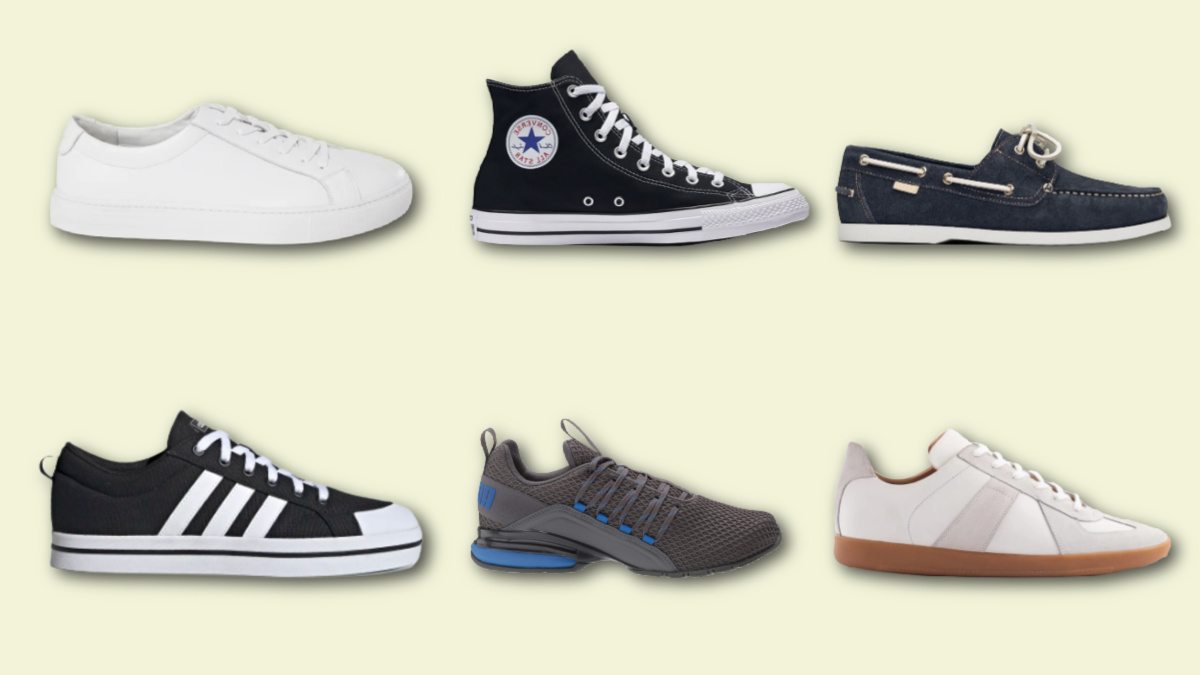
Lifestyle sneakers are made mainly for casual wear, fashion, and everyday comfort. They may borrow design features from running, basketball, tennis, or skate shoes without being intended for those sports.
Lifestyle sneakers include:
- Classic canvas sneakers
- Retro athletic shoes
- Fashion sneakers
- Court-inspired casual shoes
- Casual slip-ons
- Everyday leather or synthetic sneakers
Some lifestyle shoes are comfortable for walking. Others have stiff soles, little cushioning, or narrow toe boxes. A sporty appearance does not prove that a shoe is suitable for exercise.
Best for
- Casual outfits
- Errands
- Light walking
- School or office wear, where appropriate
- Everyday use
If you plan to exercise, check the shoe’s actual design rather than its name or appearance.

11. Minimalist and Barefoot-Style Shoes
Minimalist and barefoot-style shoes use less structure than many traditional sneakers. They may have a thin sole, a flexible build, a low heel-to-toe drop, and a wide toe area.
The heel-to-toe drop is the height difference between the heel and the forefoot. A lower drop places the foot in a more level position, but it does not automatically make a shoe healthier or better.
People who are used to cushioned shoes may need time to adapt. A sudden switch can increase stress on the feet, calves, or Achilles tendon. Begin with short, easy periods and stop if pain develops or worsens.
These shoes may appeal to people who want more ground feel and toe movement. They are not a universal solution, and they may not suit every activity or foot condition.
12. Slip-On, Recovery, and Comfort Sneakers
Slip-on sneakers are designed for easy entry and removal. They may use elastic panels, stretch fabric, or a collapsible heel. They are useful for travel, errands, and people who prefer not to tie laces.
Recovery sneakers often use soft materials, generous cushioning, and a relaxed fit. They may feel comfortable after exercise, but “recovery” is a product category, not a medical treatment.
Check that the shoe stays on securely during walking. A loose heel can make the foot work harder and may increase the chance of a trip. Convenience should not come at the cost of fit.
How to Choose the Right Type of Sneaker
Choose the sneaker by starting with the activity, not the brand or color.
1. Match the shoe to the surface
Use this simple guide:
| Where you use the shoe | Best starting type |
|---|---|
| Sidewalk or treadmill | Road running shoe or walking shoe |
| Dirt and gravel trail | Trail running shoe or hiking shoe |
| Indoor basketball court | Basketball shoe |
| Tennis or pickleball court | Tennis shoe |
| Indoor volleyball court | Volleyball shoe |
| Gym with mixed exercises | Cross-training shoe |
| Skateboard | Skate shoe |
| Casual daily wear | Lifestyle sneaker |
| Light outdoor scrambling | Approach shoe |
The surface affects traction, durability, and stability. A smooth outsole may glide on loose dirt. A deep trail lug may feel clumsy on a polished indoor court.
2. Consider the movement
Running mainly moves the body forward. Tennis and basketball demand more side-to-side control. Weight training often benefits from a firm, stable base. Choose the shoe that matches the movement you repeat most.
3. Check the fit
A good fit should feel secure without painful pressure. Look for:
- Toes that can move freely
- A heel that does not lift excessively
- No hard rubbing at the ankle
- No pressure across the widest part of the foot
- Enough room for normal swelling during the day
Try both shoes with the socks you plan to wear. Walk, bend, and make a few sport-specific movements if the store allows it.
4. Decide how much cushioning you want
More cushioning can feel soft and comfortable. Less cushioning can feel firm and connected to the ground. Cushioning preference is personal, but a soft shoe is not always more stable, and a firm shoe is not always more supportive.
5. Inspect the outsole
The outsole should suit the surface. Look for:
- Shallow, smooth rubber for road use
- Deeper lugs for trails
- Court-specific rubber for indoor sports
- Durable rubber for abrasive outdoor courts
- Flat contact for many skate shoes
6. Consider weather and maintenance
Mesh can improve airflow but may allow water in. Waterproof materials can block rain but may reduce breathability. Clean shoes according to the maker’s instructions, and let damp shoes dry fully before wearing them again.

Sneaker Type Comparison: Cushioning, Grip, and Flexibility
No sneaker maximizes every feature. More grip, structure, or protection often adds weight or reduces flexibility.
| Sneaker type | Cushioning | Grip focus | Flexibility | Main strength |
|---|---|---|---|---|
| Road running | Moderate to high | Pavement | Moderate | Repeated forward steps |
| Trail running | Moderate | Dirt and uneven ground | Moderate | Outdoor traction |
| Walking | Low to moderate | Sidewalks and floors | Moderate to high | Daily comfort |
| Cross-training | Moderate | Mixed indoor surfaces | Moderate | Versatility |
| Basketball | Moderate to high | Court traction | Moderate | Jumps and cuts |
| Tennis | Moderate | Side-to-side court movement | Moderate | Lateral control |
| Volleyball | Moderate | Indoor court grip | Moderate to high | Jumps and quick movement |
| Skate | Low to moderate | Board contact | Moderate | Board feel and durability |
| Hiking | Moderate | Trails and rocks | Low to moderate | Protection outdoors |
| Lifestyle | Varies | Casual surfaces | Varies | Style and daily use |
| Minimalist | Low | Depends on model | High | Ground feel and foot movement |
These are broad categories, not strict rules. Materials and construction vary widely between models.
Common Mistakes When Buying Sneakers
Buying by appearance alone
A sneaker can look like a running shoe without having the cushioning, fit, or durability needed for running. Read the product description and consider the intended activity.
Using one pair for every sport
A general trainer may work for light gym use. It may not offer enough side support for tennis or enough traction for trails. One pair can be convenient, but specialization matters as activity demands rise.
Choosing a painful fit
Do not assume a shoe must hurt before it “breaks in.” Some materials soften, but a shoe that causes sharp pain, numbness, or strong pressure is not a good fit.
Ignoring the surface
Outdoor basketball can wear indoor traction rubber quickly. Trail shoes may feel awkward on a court. The right category can still perform poorly on the wrong surface.
Changing shoe types too fast
A sudden switch to minimalist shoes, very low-drop shoes, or much firmer footwear can change the load on your feet and lower legs. Ease into a major change.
Relying on a mileage rule alone
There is no single replacement distance that fits every person and shoe. Replace sneakers when the tread is worn, the midsole feels dead, the upper no longer holds the foot securely, or pain starts after a change in footwear. Compare the shoes with a newer pair if you are unsure.
When to Ask a Professional for Help
Most people can choose sneakers by activity and fit. Seek professional advice if you have ongoing foot pain, repeated injuries, numbness, major swelling, diabetes-related foot concerns, or a diagnosed foot condition.
A podiatrist, physical therapist, or qualified sports-medicine professional can assess your symptoms and movement. A shoe salesperson can help with fit, but they cannot diagnose an injury or prescribe treatment.
Stop an activity if pain is severe, sudden, or associated with weakness, loss of feeling, or an inability to bear weight. The shoe may not be the only cause.
Key Takeaways
- The best sneaker type depends first on the activity and surface.
- Road running shoes suit pavement and treadmills; trail shoes suit uneven outdoor ground.
- Court sports need shoes designed for side-to-side movement and court traction.
- Cross-trainers suit mixed gym workouts, but they are not ideal for every sport.
- Lifestyle sneakers are for casual wear unless their construction supports more demanding use.
- Fit, comfort, traction, and movement matter more than the shoe’s visual style.
- Change to minimalist, low-drop, or highly structured shoes gradually.
- Replace sneakers based on wear, fit, and comfort rather than a fixed mileage rule.
Frequently Asked Questions
What type of sneakers are best for everyday use?
Walking shoes and lifestyle sneakers are common choices for everyday use. Pick the pair that fits well, feels comfortable during normal walking, and suits your usual surfaces. If you walk many miles each day, a walking or road running shoe may offer more comfort than a fashion-focused sneaker.
Can I use running shoes for walking?
Yes. Many road running shoes work well for walking because they are cushioned and designed for repeated steps. They may be less durable on rough trails or less stable for sports with frequent side-to-side movement.
Are basketball shoes good for running?
Usually, no. Basketball shoes are designed for court traction, jumping, and lateral movement. They can feel heavy or stiff during long runs and may not provide the ride that many runners prefer.
Can I wear tennis shoes for pickleball?
Often, yes. Tennis shoes and pickleball shoes both support side-to-side court movement. Check the outsole and fit, especially if you play on an outdoor court or make frequent quick cuts.
How should sneakers fit?
Your toes should have room to move, your heel should stay reasonably secure, and the shoe should not create painful pressure or rubbing. Try both shoes with your usual socks and test them while standing and walking.
Do expensive sneakers last longer?
Price alone does not prove durability. Lifespan depends on materials, construction, body weight, activity, surface, weather, and use frequency. Inspect the outsole, midsole, upper, and fit instead of using price as a guarantee.
Are minimalist sneakers better for your feet?
Not for everyone. Minimalist shoes offer less structure and more ground feel, but the transition can stress the feet and lower legs if it happens too quickly. Their suitability depends on the person, activity, fit, and adaptation period.
Conclusion
The different types of sneakers exist because walking, running, court sports, gym training, skating, hiking, and casual wear place different demands on your feet. Start by naming the activity, then consider the surface, movement, fit, cushioning, traction, and weather.
For one simple decision, ask: What will I do most often in these sneakers? Choose the category built for that task, make sure the pair feels secure and comfortable, and replace it when wear or pain shows that it no longer performs well.

Michael Smith is the Content Strategist behind The Style Hub, where fashion meets function. With a keen eye for trends and a passion for everyday style, he curates content that helps readers make smarter, more stylish choices—from the perfect pair of sneakers to must-have accessories. Michael specializes in breaking down fashion into practical, wearable insights, making style accessible for everyone. When he’s not researching the latest trends, he’s exploring how comfort, innovation, and timeless design come together in modern fashion.