Introduction
Low black booties are one of the easiest shoes to style in the United States. Their short shaft, dark color, and low heel work with jeans, dresses, skirts, trousers, and casual office clothes. They can look polished without feeling too formal.
The key is to balance the boot shape with your clothing. Show a little ankle with cropped pants, create a clean line with slim jeans, or let a dress fall just above the boot. For cold U.S. winters, add warm socks and a longer coat. For warmer states and summer evenings, wear low booties with a light dress or denim shorts.
This guide explains how to wear black ankle boots, which pants work best, how to style them by season, and how to avoid common outfit mistakes.

What Are Low Black Booties?
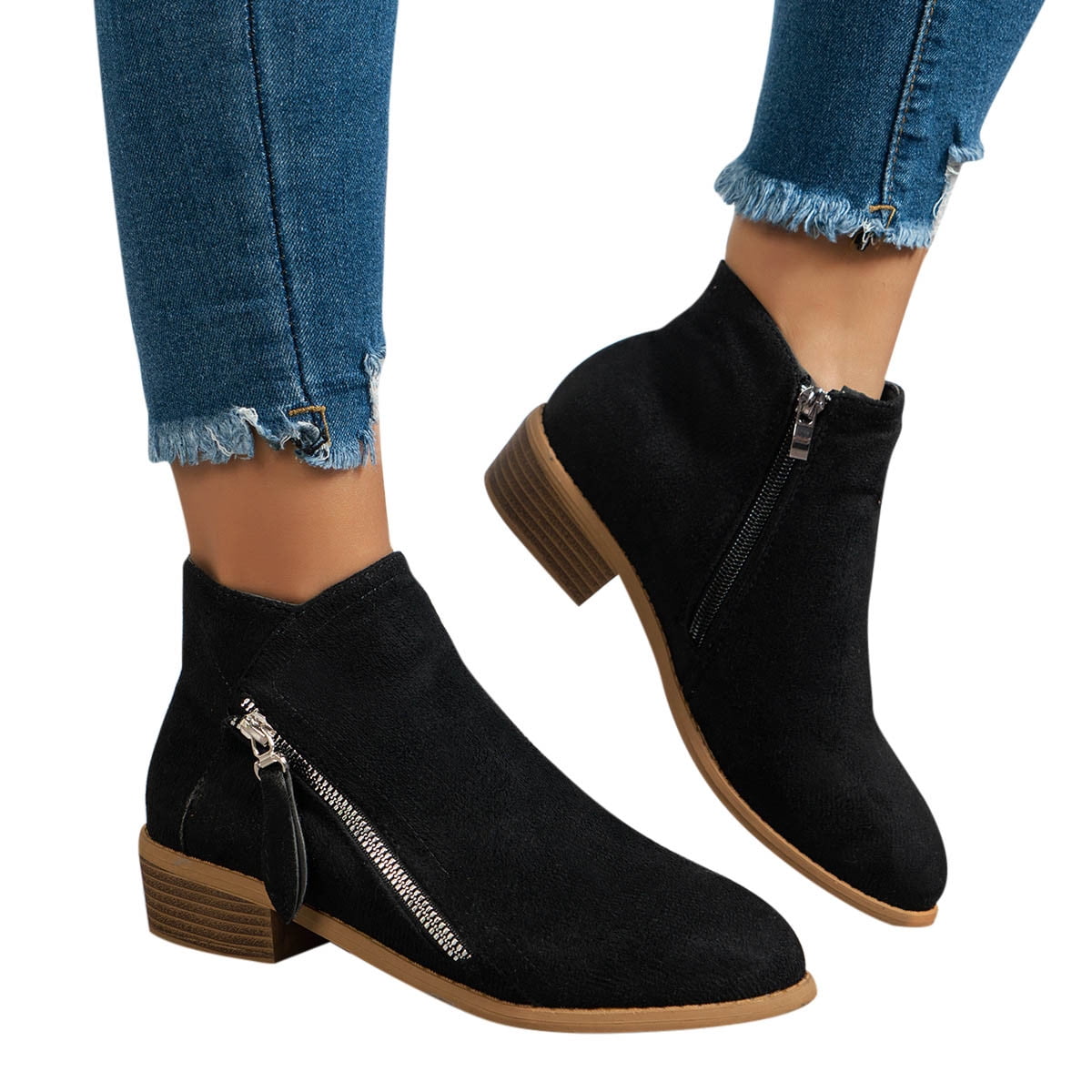
Low black booties are ankle-height boots with a short heel or flat sole. They may have a pointed, round, square, or almond toe. Common styles include:
- Flat black booties: Best for walking, travel, and casual outfits.
- Low block-heel booties: Offer added height with more stability than a thin heel.
- Chelsea booties: Have elastic side panels and a sleek, easy-on design.
- Lug-sole booties: Have a thicker, ridged sole and a more casual feel.
- Western-inspired booties: Often include a slanted heel, pointed toe, or decorative stitching.
- Dressy black booties: May use smooth leather, suede, or a slim pointed toe.
The low shaft makes these boots more flexible than knee-high boots. You can wear them under wide-leg pants, with cropped jeans, or beside a bare leg. Their main styling feature is the line they create between your clothing and the floor.
The Basic Rule: Match the Boot to the Hemline
The easiest way to wear low black booties is to manage the space between the boot and your clothing. A clean hem usually looks more intentional than fabric that bunches over the boot.
Use these simple pairings:
| Clothing item | Best boot pairing | Why it works |
|---|---|---|
| Cropped jeans | Flat or low-heel booties | Shows a small strip of ankle |
| Skinny jeans | Slim black booties | Creates a long, clean line |
| Straight-leg jeans | Rounded or almond-toe boots | Gives the hem room to fall |
| Wide-leg trousers | Low block-heel booties | Adds support and a little height |
| Midi skirt | Pointed or slim booties | Keeps the lower leg line neat |
| Short dress | Low booties with tights | Adds coverage and balance |
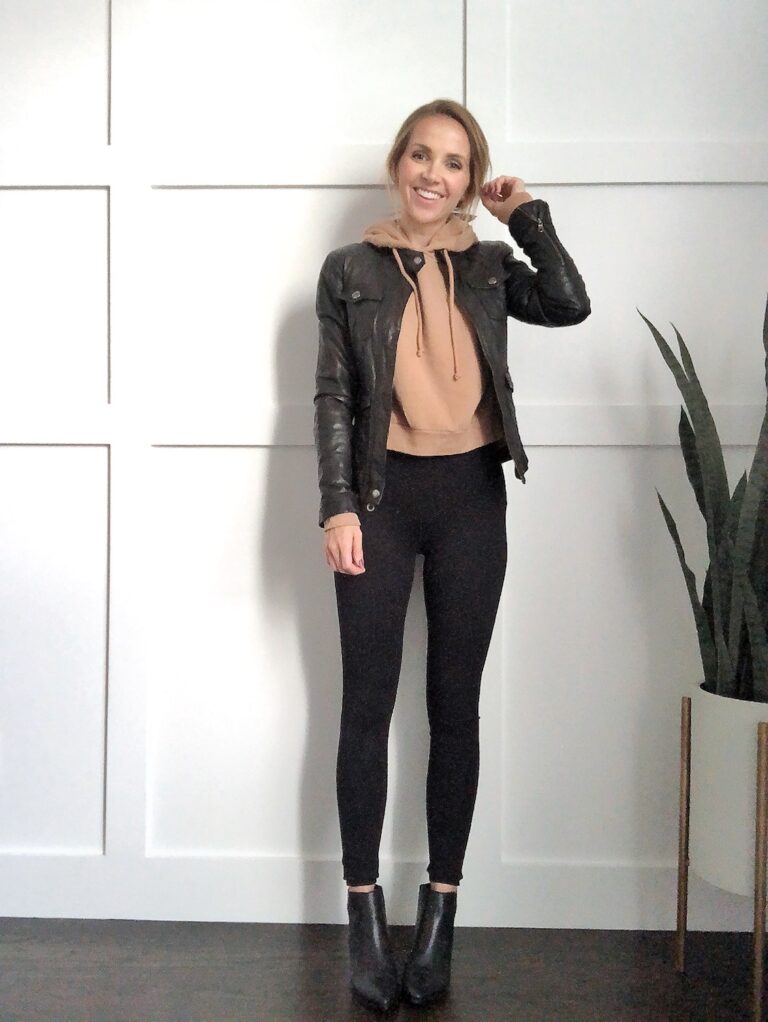
| Leggings | Close-fitting ankle booties | Prevents extra bulk at the ankle |
As a general guide, aim for one of three looks: a visible ankle gap, a smooth pant-to-boot line, or a deliberate contrast between a bare leg and the boot. Avoid a random break where the hem catches on the boot shaft.
How to Wear Low Black Booties With Jeans
Low black booties pair well with nearly every popular jean cut. The best choice depends on the width and length of the jeans.
Skinny or slim jeans
Tuck slim jeans into the booties if the shaft is wide enough to hold the fabric smoothly. If the boot is narrow, let the jeans stop just above the boot instead.
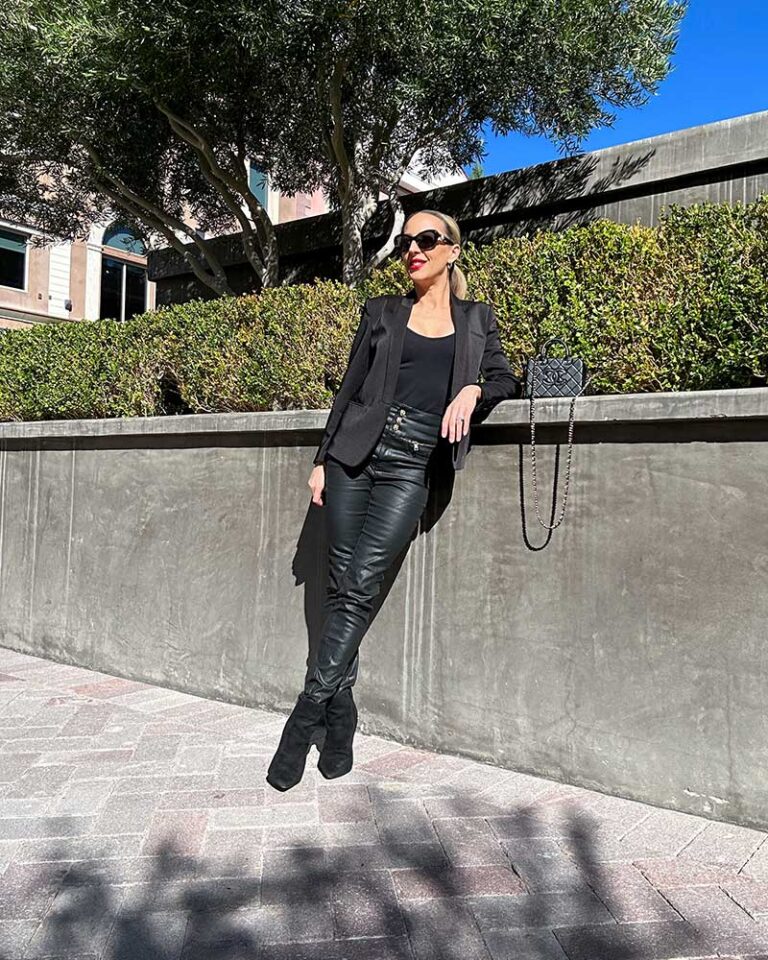
A black boot with black jeans creates one long visual line. Add a lighter sweater, denim jacket, or camel coat to give the outfit contrast. This is a simple choice for errands, casual dinners, or travel days.
Straight-leg jeans
Straight-leg jeans look best when the hem ends near the top of the boot. The denim should fall over the boot without folding into a thick roll.
Try:
- Medium-wash straight jeans
- A tucked T-shirt
- A leather or denim jacket
- Black low booties
- A small shoulder bag
If the jeans are too long, the hem may drag or cover most of the boot. A small hem adjustment can make the outfit look much cleaner.
Cropped jeans
Cropped jeans are made for low booties. Leave a narrow gap between the hem and the top of the boot. The gap does not need to be large; even a small view of skin or sock can define the ankle.
In cold parts of the U.S., wear black socks that meet the boot. This keeps the outfit warm without creating a sharp color break. In mild weather, a bare ankle gives the look a lighter feel.
Boyfriend and relaxed jeans
Relaxed jeans look balanced with a boot that has some visual weight. Try a lug sole, rounded toe, or low block heel. A very delicate pointed boot may look too small beneath a loose denim leg.
Roll the hem once or twice, but keep the cuff neat. Pair the jeans with a fitted top or tucked shirt so the outfit has both ease and shape.
Wide-leg jeans
Wide-leg jeans can cover low booties. Choose a boot with a low block heel or a firm sole so the hem does not drag on the ground.
For a longer leg line, match the boot color to the jeans or wear a dark top. The boot does not need to be fully visible. It only needs to provide support and a clean finish beneath the wider hem.
How to Wear Them With Dresses and Skirts
Low black booties add structure to soft dresses and skirts. They are especially useful when you want more coverage than sandals but less weight than tall boots.
For a short dress, choose opaque black tights in cool weather. Matching tights and boots can make the lower half of the outfit look continuous. A bare leg works in warm weather, especially with a casual cotton or linen dress.
Midi skirts require more attention because the hem often ends at the widest part of the calf. A pointed or almond-toe boot can help create a longer line. A low block heel also adds lift without making the outfit feel formal.
Good combinations include:
- Floral midi dress with plain black booties
- Denim skirt with a tucked sweater and flat boots
- Pleated skirt with a fitted knit top and pointed booties
- Slip dress with a cropped jacket and low heels
- T-shirt dress with lug-sole Chelsea booties
The dress and boot do not need to match in style. Contrast often makes the outfit more interesting. A delicate dress can look modern with sturdy boots, while a structured dress can feel softer with a slim boot.
How to Wear Low Black Booties to Work
Low black booties can work in many American offices, but the dress code matters. Smooth leather or clean faux leather usually looks more polished than distressed suede or a heavy lug sole.
For a business-casual outfit, try black booties with:
- Ankle-length trousers
- A tucked blouse
- A knit blazer
- A midi skirt
- Dark straight-leg jeans, if denim is allowed
The toe shape affects the mood. A pointed or almond toe feels dressier. A round toe looks more relaxed. A block heel can provide a professional shape while staying easier to walk in than a narrow heel.
Keep the boot clean and in good repair. Avoid boots with wet marks, cracked finishes, loose soles, or heavy outdoor wear when dressing for a formal workplace.
How to Style Them by Season
Spring
Spring outfits benefit from lighter layers and visible ankle space. Wear low black booties with cropped jeans, a striped shirt, and a light trench coat. You can also pair them with a floral dress and a short jacket.
Suede may suit dry spring days, while smooth leather is easier to clean if rain is common in your area.
Summer
Low black booties can work in summer when the rest of the outfit feels light. Try them with a short cotton dress, a linen skirt, or denim shorts and a loose button-down shirt.
Choose breathable clothing and avoid heavy socks unless needed. Black boots can feel visually strong in summer, so balance them with bare legs, light colors, or airy fabric.
Fall
Fall is the natural season for black booties. Wear them with straight jeans, a sweater, and a wool coat. A plaid shirt, denim jacket, or knit cardigan can add texture without making the outfit busy.
This is also a good time to wear suede booties. Use weather protection suited to the material, and check the care instructions before applying any product.
Winter
For winter, choose boots with a warm lining, a stable sole, and enough room for socks. Wear them with black tights, wool trousers, or jeans.
A low boot is not automatically safe on snow or ice. Check the sole grip before wearing it outdoors in winter weather. If the boot has a smooth fashion sole, reserve it for dry days or indoor use.
How to Choose the Right Low Black Booties
The best pair depends on where you will wear it, how much you walk, and what clothing you already own.
Choose the toe shape
- Pointed toe: Looks sharp and dressy; may feel tight if your toes need more room.
- Almond toe: Offers a polished look with a softer shape.
- Round toe: Usually feels casual and easy to wear.
- Square toe: Gives a modern, structured appearance.
A pointed toe should not press against your toes. If you feel pinching, numbness, or rubbing, try a wider fit or a different shape.
Choose the heel
- Flat: Best for walking and daily wear.
- Low block heel: Adds height and stability.
- Low stacked heel: Works well with jeans and casual clothing.
- Thin low heel: Looks dressier but may feel less stable.
Heel height is only one part of comfort. The sole, fit, arch support, shaft width, and walking surface also matter.
Choose the material
Smooth leather or quality synthetic material is often easier to wipe clean. Suede has a soft, rich look but needs more care and can show water marks.
For frequent rain or snow, look for a design with a sealed sole and suitable weather resistance. Do not assume that every leather boot is waterproof.

Common Mistakes to Avoid
Letting jeans bunch at the ankle
A thick fold above the boot can make the outfit look untidy. Hem the jeans, cuff them once, or choose a shorter pair.
Wearing a wide pant with a very delicate boot
A slim boot can disappear under a wide hem. Choose a sole and heel with enough weight to support the shape of the pants.
Creating too many competing details
Black booties already add a strong dark point near the floor. If the boots have buckles, studs, a lug sole, and a pointed toe, keep the rest of the outfit simple.
Ignoring the weather
Suede, smooth leather, and fabric boots react differently to rain and salt. Clean road salt soon after exposure, and dry wet boots at room temperature. Do not place leather boots directly against a heater, which can dry or damage the material.
Choosing style over fit
A boot that looks good but rubs your heel will not become comfortable through wishful thinking. Check toe room, heel movement, and pressure points before wearing the boots for a full day.

Outfit Formulas You Can Use
These combinations make it easy to get dressed:
- Everyday casual: Straight-leg jeans, white T-shirt, olive jacket, and flat black booties.
- Polished casual: Black trousers, fitted knit top, long coat, and almond-toe booties.
- Weekend look: Relaxed jeans, tucked flannel shirt, and lug-sole Chelsea booties.
- Simple dress outfit: Midi dress, denim jacket, and low block-heel booties.
- Cold-weather look: Black tights, sweater dress, wool coat, and low black boots.
- Modern office outfit: Cropped trousers, blouse, blazer, and pointed low booties.
- Warm-weather look: Short cotton dress, bare legs, and lightweight black booties.
Use these as starting points, not strict rules. Change the color, fabric, and boot shape to suit your climate and dress code.
Key Takeaways
- Low black booties work with jeans, trousers, skirts, and dresses.
- Match the boot to the hemline for a clean outfit.
- Cropped jeans should show a small ankle gap or sock.
- Straight-leg jeans should fall neatly over the boot.
- Wide-leg pants need a boot with enough sole or heel to support the hem.
- Black tights create a smooth line with black booties.
- Choose weather-resistant materials and stable soles for outdoor wear.
- Fit comes first: rubbing, pinching, and poor grip are signs to choose another pair.
Frequently Asked Questions
Can you wear low black booties with skinny jeans?
Yes. Tuck the jeans into the boot if the shaft is wide enough, or let the hem end just above the boot. Black jeans and black booties create a long, simple line.
Should socks show with black booties?
They can. Black or dark socks create a smooth transition and work well in cold weather. For a lighter spring or summer look, leave a small gap between the boot and the hem when the weather allows.
Can you wear black booties with a long dress?
Yes. A long dress can cover most of the boot, but the shoes still add structure and coverage. Choose a boot with a stable sole if the dress is loose or full.
Are low black booties suitable for petite people?
Yes. A close-fitting boot, a pointed or almond toe, and a similar color between the boot and pants can create a longer visual line. Cropped pants can also work when the ankle gap looks deliberate.
Can you wear low black booties in the rain?
Only if the material and sole suit wet conditions. Check the care instructions and weather rating. Fashion boots with smooth soles may be slippery, while suede may stain from water and road salt.
Conclusion
Low black booties are easy to wear when the outfit has a clear hemline and balanced proportions. Start with straight-leg jeans, cropped pants, a midi skirt, or a simple dress. Then adjust the boot shape, sole, and material for the setting.
For your next outfit, choose one clothing item first and check where its hem ends. If the boot creates a clean line, feels secure, and suits the weather, you have a strong foundation for the rest of the look.

Michael Smith is the Content Strategist behind The Style Hub, where fashion meets function. With a keen eye for trends and a passion for everyday style, he curates content that helps readers make smarter, more stylish choices—from the perfect pair of sneakers to must-have accessories. Michael specializes in breaking down fashion into practical, wearable insights, making style accessible for everyone. When he’s not researching the latest trends, he’s exploring how comfort, innovation, and timeless design come together in modern fashion.