Fila Disruptor shoes can work for light gym sessions, machines, and casual workouts, but they are not the best choice for running, jumping, heavy lifting, or intense training. Their wide, firm platform may feel stable for some exercises, yet the chunky sole can reduce ground feel and make quick movements less secure.
For most people in the United States, the better choice depends on the workout. Use the Fila Disruptor for walking, basic strength work, or short gym visits. Choose a running shoe for cardio and a flatter training shoe for lifting or functional workouts.

What Are Fila Disruptor Shoes?
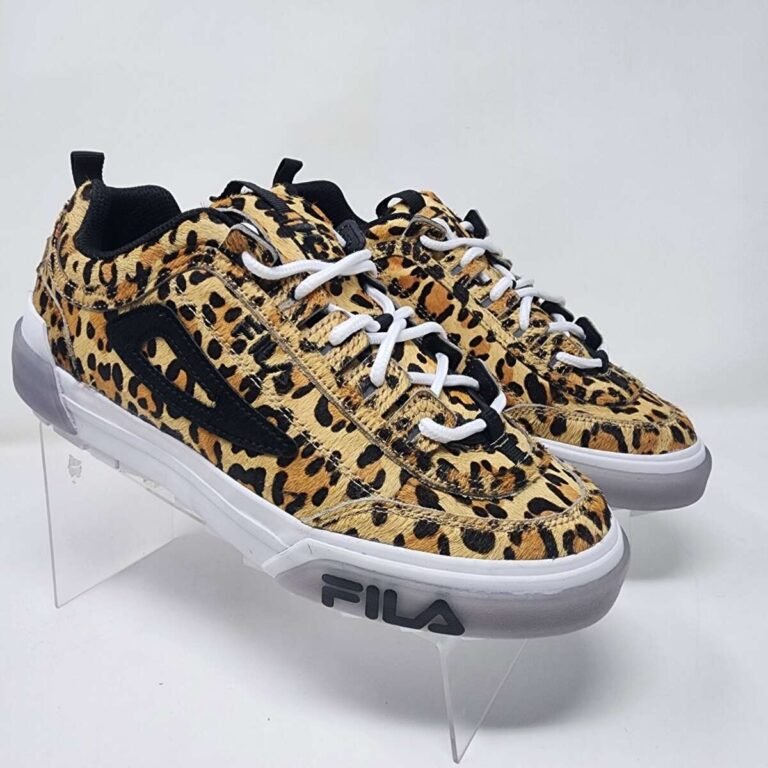
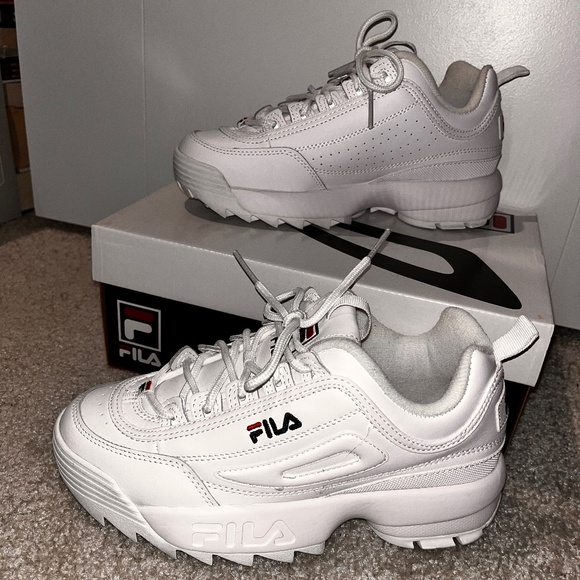
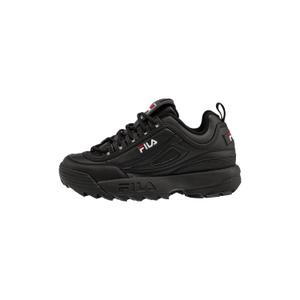
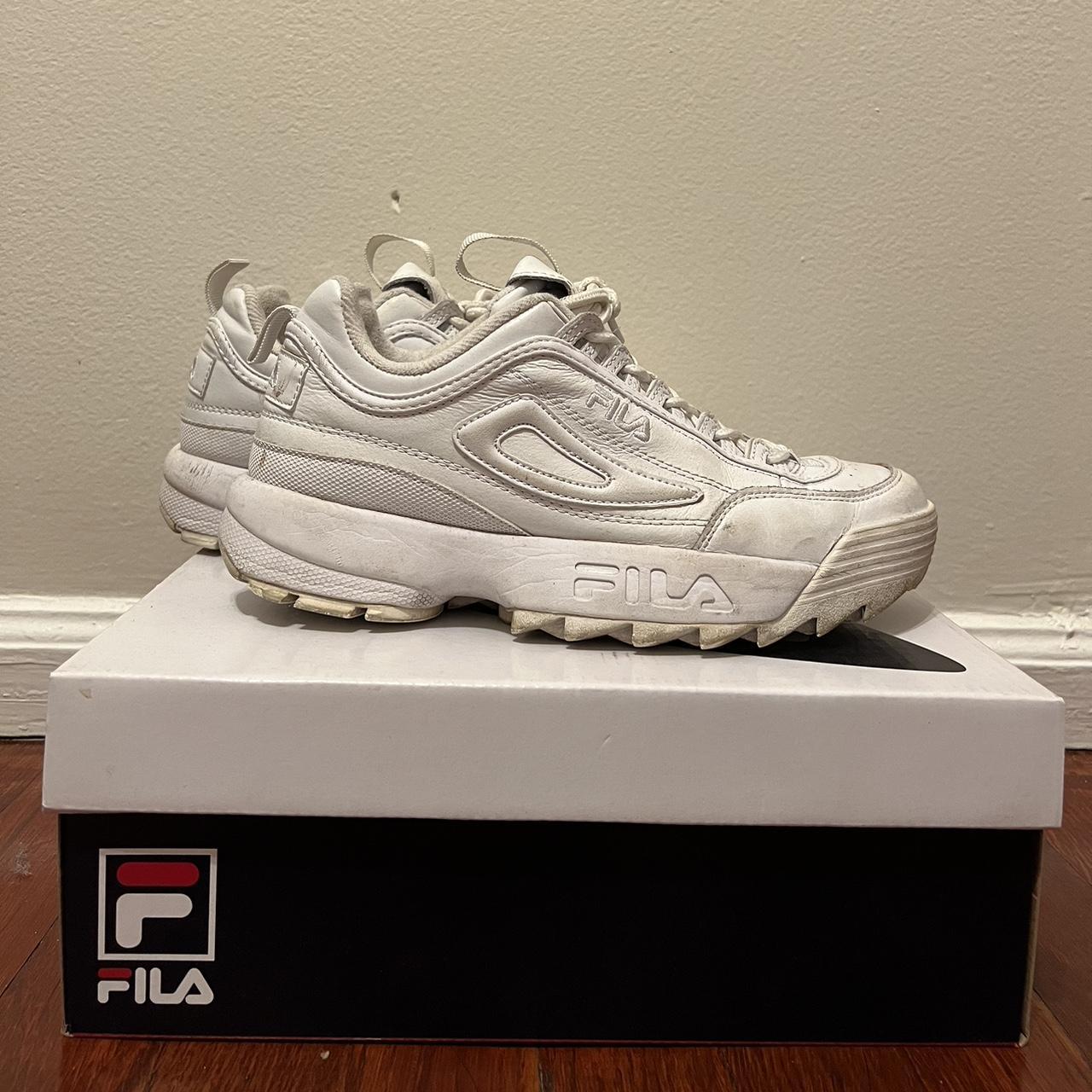
Fila Disruptors are chunky lifestyle sneakers known for their thick midsole, wide shape, and bold design. They were made mainly for everyday wear, not as purpose-built gym shoes.
The exact design varies by model and year. Some versions use leather or synthetic uppers, while others use mesh or mixed materials. Sole height, cushioning, tread, weight, and fit can also differ.
That matters because “Fila Disruptor” is a product family, not one single shoe. A Disruptor 2 may not feel exactly like a Disruptor Premium or another Fila platform sneaker.
According to FILA’s official footwear pages, the Disruptor line is part of the brand’s lifestyle footwear range. It should not be confused with a dedicated running, cross-training, or weightlifting shoe.
Are Fila Disruptors Good for Working Out?
Fila Disruptors are acceptable for low-impact gym activities, but they have clear limits.
They may work for:
- Walking at a slow pace
- Using weight machines
- Light resistance training
- Basic upper-body exercises
- Short gym sessions
- Stretching and warm-ups
- Casual movement before or after a workout
They are less suitable for:
- Treadmill running
- Outdoor running
- Sprint intervals
- Jumping exercises
- HIIT workouts
- Agility drills
- Heavy squats and deadlifts
- Olympic lifting
- Sports training
The main issue is not that the shoe is automatically unsafe. The issue is that a lifestyle sneaker does not provide the same balance of flexibility, grip, stability, and fit as a shoe designed for a specific sport.

How Fila Disruptors Perform for Different Gym Activities
The best way to judge Fila Disruptors is to match the shoe with the movement.
Weight training
Fila Disruptors may be fine for light or moderate machine-based strength training. Their broad base can feel steady during seated exercises, cable work, and simple dumbbell movements.
However, the thick sole can be a drawback for heavy squats, deadlifts, and presses. A tall, soft, or flexible platform places your foot farther from the floor. That can make it harder to feel your balance and control your position.
For heavy lifting, many people prefer:
- Flat, firm training shoes
- Shoes with a stable heel
- Weightlifting shoes for selected lifts
- Minimal shoes, when appropriate and properly introduced
A flat sneaker is not automatically the best lifting shoe. The right choice depends on your lifting style, mobility, skill, and coaching. Still, a chunky lifestyle shoe is usually not the first choice for serious strength work.
Treadmill walking
Fila Disruptors can be suitable for easy treadmill walking if they fit well and feel stable.
Before using them, check that:
- Your heel does not slip
- Your toes have room to spread
- The sole does not catch on the belt
- You can walk without ankle strain
- The shoe does not feel heavy or awkward
for regular walking, a walking shoe may provide better comfort and smoother foot movement. If you plan to walk for long periods, test the shoes for a short session first.
Treadmill running
Fila Disruptors are generally not a good choice for treadmill running. Running creates repeated impact and requires a shoe that supports forward movement, heel-to-toe transitions, and a secure fit.
A running shoe is built around those demands. A chunky lifestyle sneaker is usually built around appearance and casual comfort.
If you run in Disruptors and notice foot pain, shin pain, knee discomfort, ankle strain, or unusual fatigue, stop and change footwear. Pain is not a sign that your body simply needs to “get used to” the shoe.
HIIT and boot-camp workouts
High-intensity workouts often include jumping, quick turns, lunges, lateral steps, and short sprints. These movements need a secure upper, dependable traction, and a platform that does not wobble.
The Disruptor’s thick sole may feel unstable during side-to-side movement. Its weight may also make fast footwork feel slower.
A cross-training shoe is usually a better fit for HIIT because it balances cushioning with lateral support. No shoe removes all injury risk, but the right design can make movement feel more controlled.
Cycling and spin classes
Fila Disruptors may work for a casual stationary bike session if the pedals hold the shoe securely. They are not a substitute for cycling shoes with cleats.
For spin classes, check the gym’s pedal system before attending. Some studios require special cycling shoes or provide compatible rental shoes. A thick sole can also affect how naturally your foot sits on a standard pedal.
Group fitness classes
For yoga, Pilates, dance, and mobility classes, Fila Disruptors are often a poor match. These activities may require bare feet, socks, or a flexible shoe with strong floor contact.
For circuit classes, the answer depends on the movements. If the class includes running, jumping, and lateral drills, a training shoe is usually more suitable.
Benefits of Fila Disruptors at the Gym
Fila Disruptors do have some useful traits for casual gym use.
Wide base
The broad outsole may feel stable during slow, controlled exercises. This can help when using machines or doing simple standing movements.
A wide shoe does not guarantee stability, though. Stability also depends on sole firmness, surface grip, foot placement, and how well the shoe fits.
Cushioning for casual movement
The thick midsole can feel comfortable while walking around the gym or standing between exercises. This may appeal to people who want one shoe for errands and light workouts.
Cushioning is not the same as support. A soft or tall sole can feel comfortable at first while still being less suitable for lifting or rapid movement.
Durable upper materials
Some Disruptor models use sturdy upper materials that handle everyday wear well. This can be useful for people who wear the shoes to and from the gym.
Durability varies by version, cleaning method, body weight, training surface, and use. A lifestyle shoe worn for heavy training may show wear faster than one used for walking.
Casual style
The Disruptor has a recognizable look. If you already own a pair and want to use it for a short, low-impact session, you may not need a separate gym shoe right away.
The practical question is whether the shoe supports your workout. Style should be a bonus, not the deciding factor.
Drawbacks of Fila Disruptors for Gym Training
The biggest drawbacks are the thick platform, limited sport-specific design, and possible lack of secure movement control.
The sole may reduce ground feel
Ground feel describes how clearly you can sense the floor through the shoe. Good ground feedback can help with balance and foot placement.
A thick sole can reduce that feedback. This is especially relevant during squats, deadlifts, lunges, and balance work.
The shoe may feel heavy
Chunky sneakers often weigh more than lightweight training shoes. Extra weight is not always harmful, but it can make repeated steps, jumps, or intervals feel more tiring.
This matters more during high-repetition workouts than during slow machine exercises.
Lateral support may be limited
Running shoes focus mainly on forward motion. Lifestyle shoes may not provide strong support for side-to-side movement.
The Disruptor’s broad shape may help it feel planted, but width alone does not equal lateral support. A secure upper and firm sidewall matter too.
Fit may vary by foot
The Disruptor’s shape may suit some wide feet, but a wide-looking shoe is not guaranteed to fit every wide foot. The toe box, midfoot, heel, and upper material all affect fit.
A shoe that is too loose can cause sliding and blisters. A shoe that is too tight can create pressure, numbness, or toe pain.
The sole can affect lifting form
A thick or unstable sole may change how your foot contacts the floor. That can affect balance and technique during loaded exercises.
If you lift heavy weights, use the shoe that gives you the most controlled and repeatable stance—not simply the shoe with the most cushioning.
Fila Disruptor vs. Other Gym Shoe Types
Use this comparison to match shoe design with your workout.
| Shoe type | Best use | Main advantage | Main limitation |
|---|---|---|---|
| Fila Disruptor | Casual gym use and light training | Wide, cushioned lifestyle design | Not made for fast or technical movement |
| Running shoe | Treadmill and road running | Supports repeated forward motion | May feel unstable for heavy lifting |
| Cross-training shoe | HIIT, classes, and mixed workouts | Better lateral control and versatility | May not match a specialist’s needs |
| Flat training shoe | Basic strength training | Firm, stable contact with the floor | Less cushioning for running |
| Weightlifting shoe | Heavy squats and Olympic lifts | Firm base and raised heel | Not useful for most cardio |
| Minimal shoe | Experienced users seeking strong ground feedback | Flexible and close to the floor | Requires gradual use and may not suit everyone |
The best all-purpose gym shoe is usually a cross-trainer, not a fashion sneaker. Still, a cross-trainer may be unnecessary if your workout consists only of machines and light walking.
How to Tell if Your Fila Disruptors Are Safe Enough for Your Workout
A shoe is more suitable when it feels secure, comfortable, and predictable during the movements you perform.
Use this quick check:
- Put on the shoes with the socks you normally train in.
- Walk, stop, and turn slowly.
- Try a bodyweight squat and a controlled lunge.
- Rise onto your toes and step sideways.
- Check whether your heel slips or your foot slides inside the shoe.
- Look for pressure on your toes, arch, ankle, or outer foot.
- Repeat the test after several minutes of movement.
Do not use the shoes for a demanding workout if they cause:
- Sharp pain
- Numbness or tingling
- Repeated ankle rolling
- Heel lifting
- Toe pressure
- Blisters
- Knee or shin pain
- A feeling that the sole bends or wobbles under load
Comfort alone is not enough. A shoe can feel soft and pleasant while still being poorly suited to a particular movement.
How to Improve Gym Use if You Already Own Fila Disruptors
You can reduce problems by keeping the shoes within their suitable range.
Use them for:
- Warm-ups
- Easy walking
- Machine exercises
- Light dumbbell work
- Upper-body training
- Low-impact sessions
Avoid using them for:
- Max-effort lifts
- Repeated jumps
- Sprint work
- Fast lateral drills
- Long-distance running
- Workouts where the sole feels unstable
Keep the shoes clean and inspect the outsole. Replace them when the tread is worn, the midsole feels uneven, the heel tilts, or the upper no longer holds your foot in place.
Do not add thick inserts to solve every problem. An insert can change the fit and raise your foot inside the shoe. If the shoe is unstable or painful, a different shoe is often the better fix.
Are Fila Disruptors Good for Beginners?
Fila Disruptors can be acceptable for beginners doing light gym workouts, but beginners should not mistake them for all-purpose training shoes.
If you are starting with walking, machines, and easy resistance exercises, your Disruptors may be adequate. Start with short sessions and pay attention to how your feet and joints feel during and after exercise.
If your plan includes running, classes, heavy lifting, or frequent workouts, buy footwear designed for that activity. A beginner benefits from a shoe that feels stable and predictable while learning movement skills.
The safest choice is not always the most expensive shoe. It is the shoe that fits well and matches the task.

How to Choose a Better Gym Shoe
Choose the shoe based on your main activity, not its appearance.
For cardio
Select a running or walking shoe with:
- A secure heel
- Enough toe room
- Comfortable cushioning
- A smooth forward transition
- A fit that does not cause sliding
For strength training
Look for:
- A firm sole
- A stable platform
- Secure midfoot fit
- Minimal side-to-side movement
- Enough flexibility for your exercises
For mixed workouts
Choose a cross-training shoe with:
- Moderate cushioning
- Lateral support
- A firm heel
- Good traction
- A flexible forefoot
Try shoes later in the day if your feet swell with activity. Wear your usual training socks, and leave a small amount of space in front of your longest toe. Do not assume that a larger size fixes a narrow shape; it may create heel slip instead.
The American College of Sports Medicine and American Academy of Orthopaedic Surgeons provide general exercise and foot-health guidance, but footwear needs can vary by activity and individual condition.
Common Mistakes to Avoid
Using one shoe for every sport
Running, lifting, cycling, and court sports place different demands on your feet. One casual sneaker may be convenient, but it may not perform well across all activities.
Ignoring pain
Muscle fatigue can be normal. Sharp, worsening, or unusual pain is not something to push through.
Stop the activity if pain changes your movement or affects your balance. If pain continues, worsens, or returns each time you train, speak with a qualified health professional.
Assuming a chunky sole is stable
A thick sole can look sturdy without providing good control. Test the shoe with the movements you actually plan to do.
Wearing new shoes for a long workout
Break in new footwear with short sessions. This helps reveal rubbing, pressure points, and fit problems before they become painful.
Choosing size by appearance
The Disruptor’s wide silhouette does not tell you how the shoe will fit. Check heel security, toe room, and midfoot comfort.

Key Takeaways
- Fila Disruptors are fine for light gym use, walking, machines, and simple resistance exercises.
- They are not the best shoes for running, HIIT, jumping, agility work, or heavy lifting.
- Their thick platform may reduce ground feel and make quick movement less controlled.
- A running shoe is better for cardio, while a cross-trainer or firm flat shoe is usually better for gym training.
- Stop using them for a workout if they cause pain, slipping, numbness, or instability.
FAQs
Can I wear Fila Disruptors on the treadmill?
You can wear them for easy treadmill walking if they fit securely and feel stable. They are not recommended for regular treadmill running because they are lifestyle shoes rather than running shoes.
Are Fila Disruptors good for squats?
They may work for bodyweight squats or light training, but they are not ideal for heavy squats. A firm, stable lifting or training shoe usually gives better contact with the floor.
Are Fila Disruptors good for leg day?
They can be acceptable for light leg exercises and machines. For heavy squats, deadlifts, lunges, or explosive leg work, choose footwear with a firmer and more stable platform.
Can I wear Fila Disruptors for HIIT?
They are usually a poor choice for HIIT because HIIT often includes jumping, quick turns, and side-to-side movement. A cross-training shoe is generally better suited to those demands.
Are Fila Disruptors comfortable for walking?
They can be comfortable for some people during casual walking. Comfort depends on the exact model, fit, foot shape, and walking distance. Test them gradually before using them for long walks.
Conclusion: Should You Wear Fila Disruptors to the Gym?
Fila Disruptors are good enough for light, low-impact gym sessions, especially walking, machines, warm-ups, and simple strength exercises. They are not a strong choice for running, HIIT, jumping, heavy lifting, or workouts that require fast changes in direction.
If you already own a pair, use them for the activities they handle well and stop if they feel unstable or painful. If you are buying a shoe mainly for training, choose a running shoe, cross-trainer, or firm lifting shoe based on your main workout.

Michael Smith is the Content Strategist behind The Style Hub, where fashion meets function. With a keen eye for trends and a passion for everyday style, he curates content that helps readers make smarter, more stylish choices—from the perfect pair of sneakers to must-have accessories. Michael specializes in breaking down fashion into practical, wearable insights, making style accessible for everyone. When he’s not researching the latest trends, he’s exploring how comfort, innovation, and timeless design come together in modern fashion.