Introduction
The most comfortable Nike sneakers for people in the United States depend on how you plan to use them. For long walks and daily errands, the Nike Motiva is a strong choice. For running, the Nike Vomero 18 offers soft, high-cushion comfort. For a balanced shoe that can handle workouts and daily wear, choose the Nike Pegasus 41. For added guidance and stability, consider the Nike Structure 26.
Comfort is not the same for every foot. Fit, width, arch shape, weight, activity, and past injuries all matter. The best Nike sneaker is the one that feels secure without pressure, gives your foot enough room, and matches the way you move.

Quick Answer: Which Nike Sneakers Are Most Comfortable?
Here are the best Nike options by common use:
| Best for | Nike sneaker | Why it may feel comfortable | Main limitation |
|---|---|---|---|
| Walking and daily errands | Nike Motiva | Rockered sole and soft cushioning help smooth each step | May feel unusual for runners who prefer a flat shoe |
| Soft daily running | Nike Vomero 18 | High cushioning and a plush underfoot feel | More shoe than some runners want |
| One shoe for running and daily use | Nike Pegasus 41 | Balanced cushioning, flexibility, and energy return | Not as soft as the Vomero |
| Stability and support | Nike Structure 26 | Designed to help guide the foot during a run | The support feel may not suit neutral runners |
| Long, easy runs | Nike InfinityRN 4 | Soft ReactX foam and a stable platform | Can feel bulky for speed work |
| Casual everyday wear | Nike Vomero 5 | Cushioned midsole and breathable layered upper | Lifestyle design is not a replacement for a running shoe |
| Lower-cost daily use | Nike Revolution 7 | Light foam cushioning and a simple design | Less cushioning and support than premium models |
These choices are based on each shoe’s documented design, cushioning system, intended use, and fit options. They are not a substitute for trying the shoes on, since comfort is personal.
The Most Comfortable Nike Sneakers by Activity
Best Nike sneakers for walking: Motiva
The Nike Motiva is built for walking, light jogging, and everyday movement. Its curved sole helps create a rolling motion from heel to toe. That design can reduce the feeling of a hard stop with each step.
The Motiva may suit people who spend hours on their feet, walk for exercise, or want a casual shoe with more cushioning than a standard sneaker. The rocker can also make slow walking feel smoother.
However, the curved sole is not ideal for everyone. Some people prefer a flat, flexible shoe. Try the Motiva indoors first, and check whether the rocker feels natural rather than unstable.
Best soft Nike running shoe: Vomero 18
The Nike Vomero 18 is one of Nike’s high-cushion road-running shoes. Nike positions the Vomero line for a soft, cushioned ride. The Vomero 18 uses a layered foam setup designed to provide a plush feel under the foot.
This model is a good match for easy runs, long walks, and runners who prefer a soft landing. It may also work well as an everyday sneaker for people who want a running-shoe platform.
The trade-off is weight and ground feel. A highly cushioned shoe may feel less quick and less flexible than a lighter trainer. If you prefer a firm, close-to-the-ground ride, the Pegasus may suit you better.
Best all-around Nike sneaker: Pegasus 41
The Nike Pegasus 41 is designed as a versatile road-running shoe. It combines foam cushioning with Air Zoom units and is intended for daily training.
The Pegasus is a useful middle ground. It is more cushioned than a basic casual sneaker but usually feels more responsive and less bulky than a maximum-cushion model. You can use it for easy runs, gym sessions, travel, and daily walking.
Its main limit is that it does not maximize softness or support. Runners who want a very plush feel may prefer the Vomero. People who need structured guidance may prefer the Structure.
Best Nike sneaker for stability: Structure 26
The Nike Structure 26 is made for runners who want a more guided feel. Its design aims to provide support through the heel and midfoot while keeping the shoe suitable for regular road running.
A stability shoe can feel comfortable when your foot moves too much inside a neutral shoe. It may also help you feel more secure when you are tired during a long walk or run.
Support is not automatically better for every person. If a stability feature presses against your arch or makes your stride feel forced, a neutral shoe may be more comfortable. A foot specialist can help if you have repeated pain or major differences between your feet.
Best Nike sneaker for long, easy runs: InfinityRN 4
The Nike InfinityRN 4 focuses on a soft, stable ride for everyday running. It uses ReactX foam and has a broad, cushioned platform.
This shoe may work well for easy miles, recovery runs, and people who like a soft feel. The stable base can also feel reassuring on long walks.
The InfinityRN 4 may not be the best pick for speed workouts. Its cushioned shape can feel less nimble than the Pegasus or a lighter racing shoe.
Best comfortable Nike lifestyle sneaker: Vomero 5
The Nike Vomero 5 is a lifestyle sneaker inspired by a running design. It has a layered upper and cushioned midsole that can make it comfortable for daily wear.
The Vomero 5 is useful for commuting, shopping, travel, and casual outfits. It often provides more underfoot cushioning than a flat fashion sneaker.
Still, it is not the same as a modern running shoe. If you plan to run several miles, choose a model made for running. Lifestyle sneakers may lack the fit, traction, and movement control needed for regular training.
How to Choose the Most Comfortable Nike Sneaker for Your Feet
The right Nike sneaker should match your activity first. Then check fit, cushioning, support, and flexibility.
1. Match the shoe to your main activity
Use this simple guide:
- Walking: Nike Motiva
- Easy running: Nike Vomero 18 or InfinityRN 4
- Daily running and mixed use: Nike Pegasus 41
- Guided support: Nike Structure 26
- Casual wear: Nike Vomero 5
- Basic budget use: Nike Revolution 7
Do not choose only by appearance. A sneaker made for short walks may feel poor during a five-mile run. A soft running shoe may feel too tall or warm for casual use.
2. Check the fit at the end of the day
Feet often swell during the day. Try sneakers in the afternoon or evening, especially if you plan to wear them for work or long walks.
Wear the socks you normally use. Leave about a thumb’s width between your longest toe and the front of the shoe. Your toes should move freely, but your heel should not slide up and down.
3. Check width, not only length
A shoe can be the correct length and still feel too narrow. Look for pressure across the ball of the foot, little toe, or top of the foot.
Nike offers some models in different width options, but availability can vary by size, color, and the Nike US website. Check the exact product page instead of assuming every color has the same width range.
4. Choose cushioning based on feel
Soft cushioning can reduce the sensation of impact, but softer is not always more comfortable. Some feet feel better with a firmer platform that offers more control.
Use this rule:
- Choose soft, high cushioning if you like a plush feel or walk and run for long periods.
- Choose balanced cushioning if you want one shoe for several activities.
- Choose firmer cushioning if you want better ground feel and a more direct stride.
5. Consider how the shoe bends
A walking shoe with a rocker often rolls forward rather than bending sharply. A running shoe may offer more flex through the forefoot.
If you have stiff toes, a rocker may feel helpful. If you need natural toe flex, a highly curved or rigid shoe may feel awkward.
Nike Comfort Features That Matter
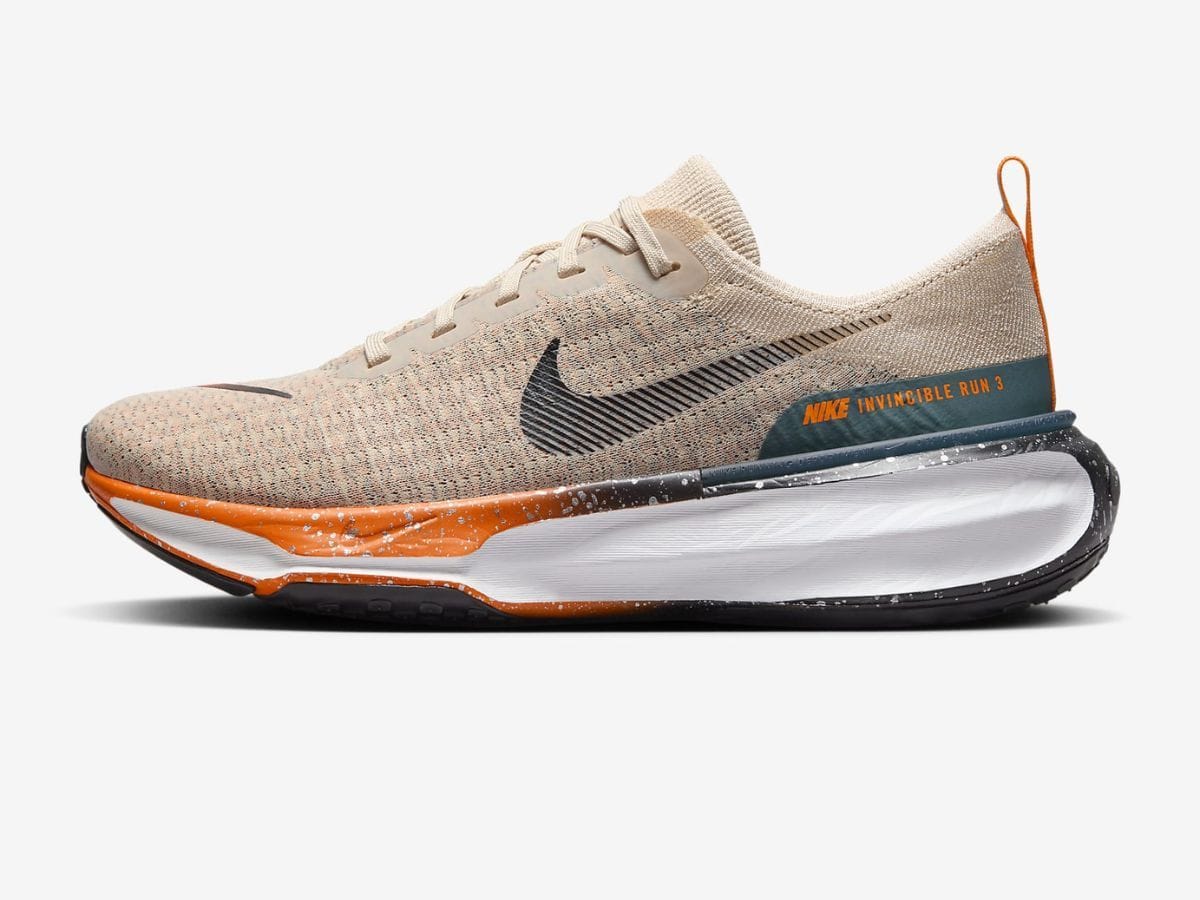
Nike uses several terms for its cushioning and support systems. The name matters less than how the feature affects your stride.
ReactX foam
ReactX is a foam platform used in several Nike running shoes, including the Pegasus 41, InfinityRN 4, and Vomero 18. Foam affects softness, weight, stability, and energy return.
A foam name does not prove that one shoe will feel better than another. The shape, amount of foam, upper, insole, and outsole also affect comfort.
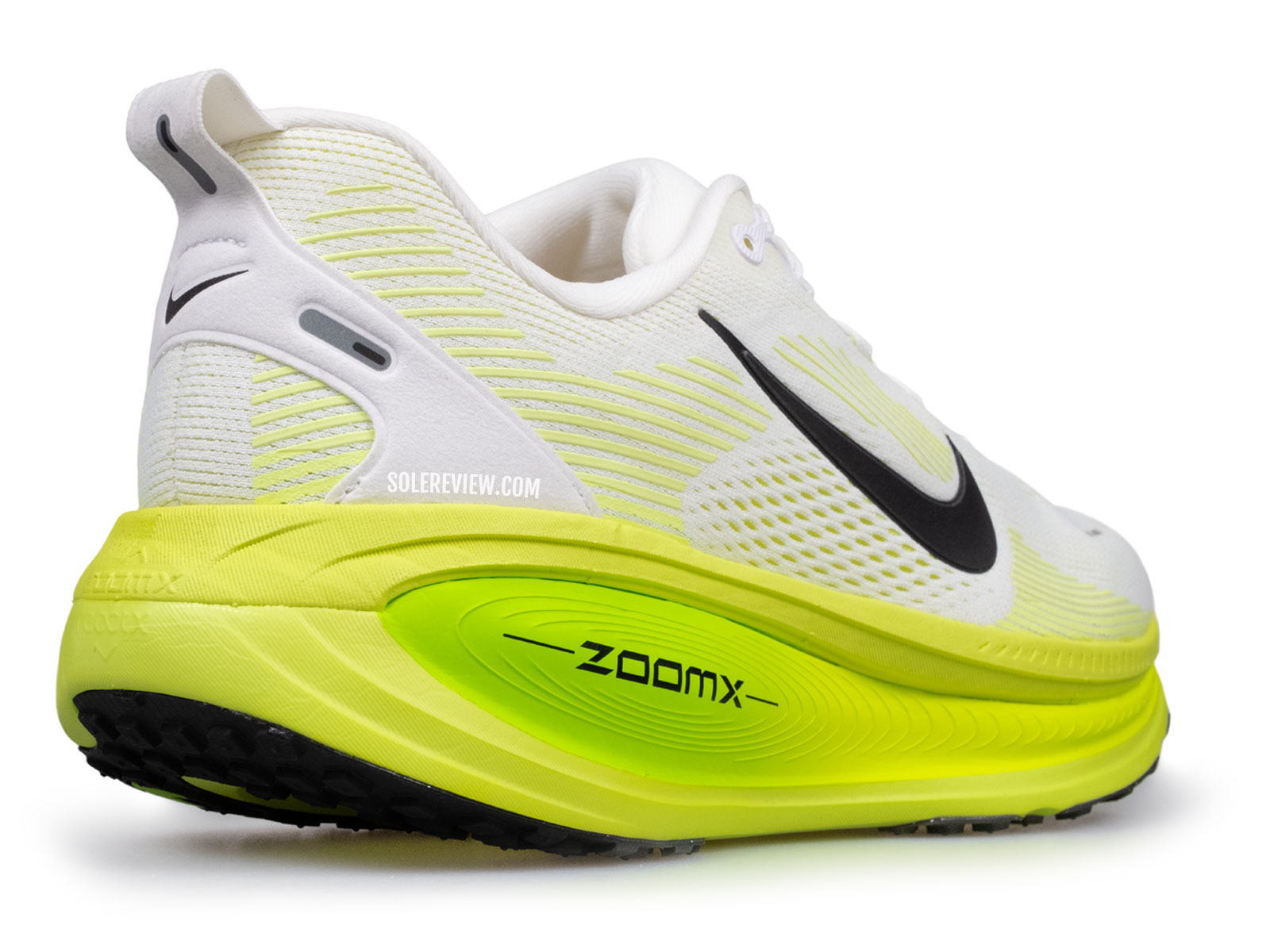
Zoom Air units
Zoom Air units are pressurized cushioning elements used in some Nike shoes. In a running shoe such as the Pegasus 41, they can add a more responsive feel.
Responsive does not always mean soft. If your priority is a gentle, padded ride, compare the Pegasus with the more cushioned Vomero.
Rocker geometry
A rocker is a curved sole shape that helps move the foot from heel to toe. Nike uses this type of design in the Motiva.
Rockers can make walking feel smooth. They can also change balance and foot motion. Walk on a level surface first before using a rocker shoe for long periods.
Stability elements
The Structure line includes features intended to help guide the foot. Stability may help some runners feel more secure, but it can feel intrusive if you do not need it.
Look for pressure, rubbing, or a forced stride during a short trial. Comfort should improve as you move, not worsen.
Upper materials and padding
A breathable mesh upper can help reduce heat. Padding around the heel can improve security. A tight or stiff upper can cause pressure even when the midsole feels good.
Check the upper while walking uphill, bending your foot, and going down stairs. These movements reveal pressure that may not appear while standing still.

Nike Comfort Comparison: Cushioning, Support, and Use
The table below helps compare the main comfort factors. It describes the intended design, not a personal rating.
| Model | Cushioning feel | Support feel | Best use | Choose it if you want |
|---|---|---|---|---|
| Motiva | Soft and rolling | Neutral | Walking and light activity | A smooth heel-to-toe transition |
| Vomero 18 | Plush and highly cushioned | Neutral | Easy running and long walks | A soft landing |
| Pegasus 41 | Balanced and responsive | Neutral | Daily running and mixed use | One versatile shoe |
| Structure 26 | Cushioned with guidance | Supportive | Running and walking | A more controlled feel |
| InfinityRN 4 | Soft and stable | Mildly guided platform | Easy and recovery runs | A steady ride |
| Vomero 5 | Cushioned lifestyle feel | Casual support | Daily wear | A running-inspired casual shoe |
| Revolution 7 | Basic, light cushioning | Basic | Casual use and short walks | A simple lower-cost option |
The most useful distinction is not the product name. It is whether you need a soft, balanced, rolling, or guided ride.
Common Comfort Problems and What They Mean
Toe pain or numbness
The shoe may be too short, too narrow, or laced too tightly. Loosen the forefoot laces and check whether your toes can spread.
If numbness continues, stop using the shoe for long walks or runs. Persistent numbness deserves medical attention.
Heel slipping
Heel movement often comes from the wrong size, a loose heel collar, or a shoe that does not match your heel shape. Try the runner’s-loop lacing method if the shoe has extra eyelets.
Do not tighten the laces so much that they cause pain across the top of your foot.
Arch pressure
Arch pressure may come from the shoe’s shape, a stability feature, or an insole that does not match your foot. Do not assume you need more arch support.
If the pressure remains after a short break-in period, choose a different model or seek advice from a qualified foot-care professional.
Sore knees or hips
A new shoe can change your stride. A sudden change from a flat shoe to a tall, soft, or rockered shoe may require an adjustment period.
Increase walking or running time gradually. Stop if pain is sharp, worsening, or present during normal daily movement.
Blisters
Blisters often result from friction, loose fit, moisture, or stiff materials. Check the heel and toe fit, use suitable socks, and avoid long walks in an untested pair.
A shoe should not need painful “breaking in.” Minor material stiffness may improve, but rubbing usually signals a fit problem.
How to Test Nike Sneakers Before Keeping Them
Follow this short indoor test:
- Put on the shoes with your normal socks.
- Check toe space while standing.
- Walk for five to ten minutes on a clean indoor floor.
- Try stairs, turns, and a gentle incline.
- Check for rubbing, pressure, slipping, or numbness.
- Compare both feet, since one foot may be larger.
- Review Nike’s current US return terms before wearing the shoes outside.
A comfortable shoe should feel secure without forcing your foot into one position. The heel should stay mostly in place, and your toes should not hit the front when walking downhill.
If the shoes feel wrong indoors, they are unlikely to become comfortable after several outdoor walks. Follow the retailer’s current return policy and keep the original packaging when possible.

Are Nike Sneakers Good for Standing All Day?
Some Nike sneakers can work well for standing all day, but the best choice depends on the floor, work demands, and your foot shape.
For long periods on hard floors, consider a cushioned model such as the Vomero 18, InfinityRN 4, or Motiva. If you move between standing and walking, the Pegasus 41 may offer a more balanced feel.
Comfort at work also depends on traction, breathability, and fit. A soft shoe may still cause fatigue if your heel slips or your toes are compressed. Test the shoes with the socks you wear on the job.
Are Nike Running Shoes Comfortable for Walking?
Yes, many Nike running shoes are comfortable for walking. Running shoes often provide more cushioning and support than casual sneakers.
The Pegasus, Vomero, and InfinityRN can work for walking if their shape suits your foot. The Motiva may be better for walking because its design focuses on a rolling transition.
Avoid using a running shoe for work if your workplace requires special slip resistance, protective toes, or another safety standard. Comfort does not replace required workplace protection.
Are Soft Nike Shoes Better for Flat Feet?
Not always. Flat feet can feel comfortable in either neutral or supportive shoes. The key question is whether the shoe feels stable and pain-free during your usual activity.
A stability shoe such as the Structure 26 may suit some people, while others may prefer the neutral Pegasus or Vomero. Foot shape alone cannot determine the best shoe.
If flat feet are linked with ongoing pain, swelling, weakness, or uneven wear, consult a podiatrist or another qualified health professional.
How Long Do Comfortable Nike Sneakers Last?
Nike sneakers do not have one fixed replacement date. Lifespan depends on body weight, surface, mileage, weather, storage, and how often you wear them.
Replace or retire a pair when the outsole is worn smooth, the foam feels uneven or permanently compressed, the upper no longer holds your foot, or discomfort starts without another clear cause.
Do not use visible appearance as the only test. A shoe can look clean while its cushioning or support has changed.
Can I Put Nike Sneakers in the Washing Machine?
Check the care guidance for your exact Nike model. As a general precaution, hand-clean sneakers with mild soap, water, and a soft brush. Remove loose dirt first and let the shoes air-dry.
Avoid high heat, dryers, and harsh cleaners. Heat can affect adhesives, foam, and synthetic materials.
If the shoes have special finishes, leather panels, or electronic parts, follow the model-specific care instructions from Nike.
Frequently Asked Questions
What is the most comfortable Nike sneaker for walking?
The Nike Motiva is a strong walking choice because its rocker sole promotes a smooth rolling motion. The Vomero 18 is another option if you prefer a softer, more traditional cushioned feel.
What is the softest Nike running shoe?
The Nike Vomero 18 is designed as a highly cushioned road-running shoe. The exact feel can vary by size, foot shape, socks, and personal preference.
Which Nike sneaker is best for standing all day?
The Vomero 18, InfinityRN 4, and Motiva are reasonable models to try for long periods on your feet. Choose the one that gives you stable heel fit, toe room, and no pressure points.
Is the Nike Pegasus comfortable for everyday wear?
Yes. The Pegasus 41 is a versatile running shoe that can work for walking, travel, gym use, and daily wear. It may feel firmer and less plush than the Vomero.
Should I buy Nike sneakers in my usual size?
Start with your usual size, but do not rely on size alone. Nike fit can vary by model, and width, upper shape, and intended use all affect comfort. Check the model’s size guide and try the shoes with your normal socks.
Final Recommendation
For most people seeking comfortable Nike sneakers in the US, start with the Nike Pegasus 41 if you want one versatile pair. Choose the Nike Vomero 18 for a softer, more cushioned feel, the Nike Motiva for walking, and the Nike Structure 26 if you want added guidance.
The best next step is simple: decide whether you need the shoe for walking, running, standing, or casual wear. Then test the fit indoors and keep the pair only if your heel feels secure, your toes have room, and no part of the shoe creates pressure.

Michael Smith is the Content Strategist behind The Style Hub, where fashion meets function. With a keen eye for trends and a passion for everyday style, he curates content that helps readers make smarter, more stylish choices—from the perfect pair of sneakers to must-have accessories. Michael specializes in breaking down fashion into practical, wearable insights, making style accessible for everyone. When he’s not researching the latest trends, he’s exploring how comfort, innovation, and timeless design come together in modern fashion.