Yes. Anyone can wear women’s Nike shoes if the fit feels secure, comfortable, and suitable for the activity. The “women’s” label mainly describes the shoe’s intended fit, color options, and size range. It does not mean the shoe is restricted to women.
For shoppers in the United States, the key differences are usually width, shape, heel fit, and size conversion. A men’s or women’s label is a starting point, not a rule. Measure your feet, check the specific Nike size chart, and try the shoes on before using them for running, court sports, or long walks.
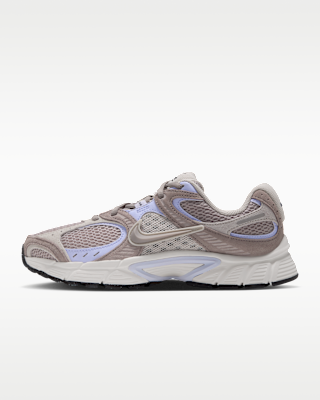
Are women’s Nike shoes different from men’s Nike shoes?
Women’s Nike shoes may use a slightly different fit shape, but the difference varies by model. Some shoes have a narrower standard width, a closer heel, or a design shaped around common differences in foot proportions. Other Nike shoes use a more similar unisex fit across men’s and women’s versions.
The label can also reflect:
- The available US size range
- Standard width options
- Color and style choices
- Marketing and product placement
- Minor changes to the upper, heel, or midsole shape
These differences are not universal. A women’s running shoe from one Nike line may fit very differently from a women’s basketball shoe or lifestyle sneaker.
Standard width is often the biggest difference
Nike generally lists standard men’s shoes as a wider width than standard women’s shoes. In common US sizing terms:
- Women’s standard width is often B
- Men’s standard width is often D
- Women’s wide shoes may be listed as D
- Men’s wide shoes may be listed as 2E
Width labels can vary by product and region, so check the product page for the exact model.
A person with a narrow or average-width foot may find a women’s Nike shoe comfortable. Someone with a broad forefoot may feel pressure at the toes or sides, even when the length is correct.
The shape matters more than the label
A shoe can have the right length but still fit poorly. Check these areas:
- Toes: Your toes should not touch the front.
- Forefoot: The sides should not squeeze or bulge over the sole.
- Heel: Your heel should stay in place without strong pressure.
- Arch: The shoe should not force your arch into an uncomfortable spot.
- Top of the foot: Laces should secure the foot without causing numbness.
A good fit should feel stable when you walk, stop, turn, and move at the speed required by your activity.
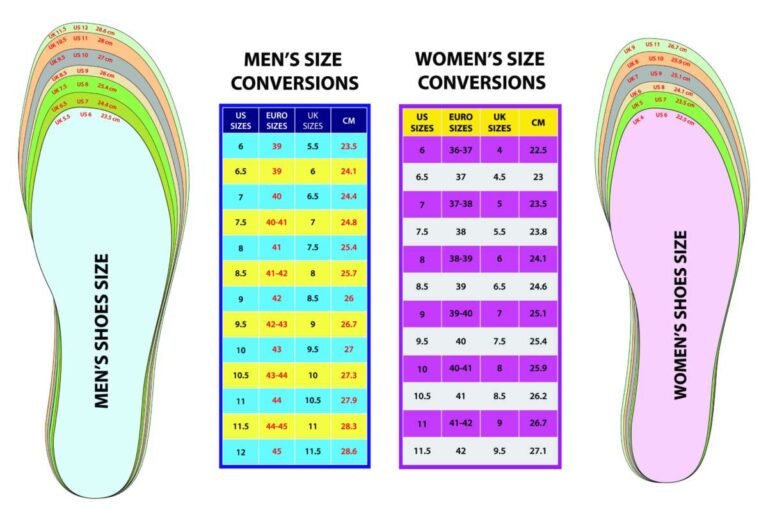
How do I convert men’s Nike shoe size to women’s?
A common US conversion is to add 1.5 sizes to a men’s Nike size. For example, a men’s US 9 often corresponds roughly to a women’s US 10.5.
This is only a starting estimate. Nike advises shoppers to use foot length and the size chart for the specific shoe. Shape, width, socks, and personal fit preference can change the result.
| Men’s US size | Approximate women’s US size |
|---|---|
| 7 | 8.5 |
| 7.5 | 9 |
| 8 | 9.5 |
| 8.5 | 10 |
| 9 | 10.5 |
| 9.5 | 11 |
| 10 | 11.5 |
| 10.5 | 12 |
| 11 | 12.5 |
| 11.5 | 13 |
| 12 | 13.5 |
| 13 | 14.5 |
This table is a general US conversion guide, not a guarantee. The most reliable method is to compare your foot length in centimeters with Nike’s chart for that exact product.
Why the conversion is not enough
Adding 1.5 sizes changes length, but it does not automatically change the shoe’s width or shape. For example, moving from a men’s 9 to a women’s 10.5 may give you similar length, but the women’s shoe may still feel narrower through the forefoot.
If the length feels right but the shoe feels tight on the sides, do not simply buy a longer size. A longer shoe can make your foot slide while leaving the width problem unsolved. Look for a wider version or a different model.
How should I check the fit before wearing women’s Nike shoes?
Measure both feet and use the larger foot when choosing a size. Feet can differ slightly in length, and many people need more room at the end of the day when feet are mildly swollen.
Follow these steps:
- Measure later in the day. This gives a more realistic fit for walking or standing.
- Wear the socks you plan to use. Thick athletic socks can change the fit.
- Stand while measuring. Your foot spreads under body weight.
- Measure both feet. Use the longer measurement.
- Check Nike’s product-specific chart. Do not rely only on a general conversion table.
- Walk and turn in the shoes. Test them on a clean indoor surface if possible.
- Check for pressure points. Look at the toes, sides, heel, and top of the foot.
You should have enough room to move your toes, but your foot should not slide inside the shoe. For running and other impact activities, a small amount of space in front of the longest toe is usually more comfortable than a tight fit.
Signs the shoes are too small
The shoes may be too small if:
- Your toes touch the front when standing
- Your toenails feel pressure while walking downhill
- Your forefoot feels squeezed
- Your toes go numb
- The upper leaves painful marks
- Your heel lifts because you are trying to avoid toe pressure
Signs the shoes are too large
The shoes may be too large if:
- Your heel slips with each step
- Your foot slides forward when stopping
- You must over-tighten the laces
- Your toes grip the ground to keep the shoe on
- The shoe folds in the wrong place
- You feel unstable during turns
Do not judge fit by standing still for a few seconds. Walk, bend your knees, and make the movements you will use during the activity.
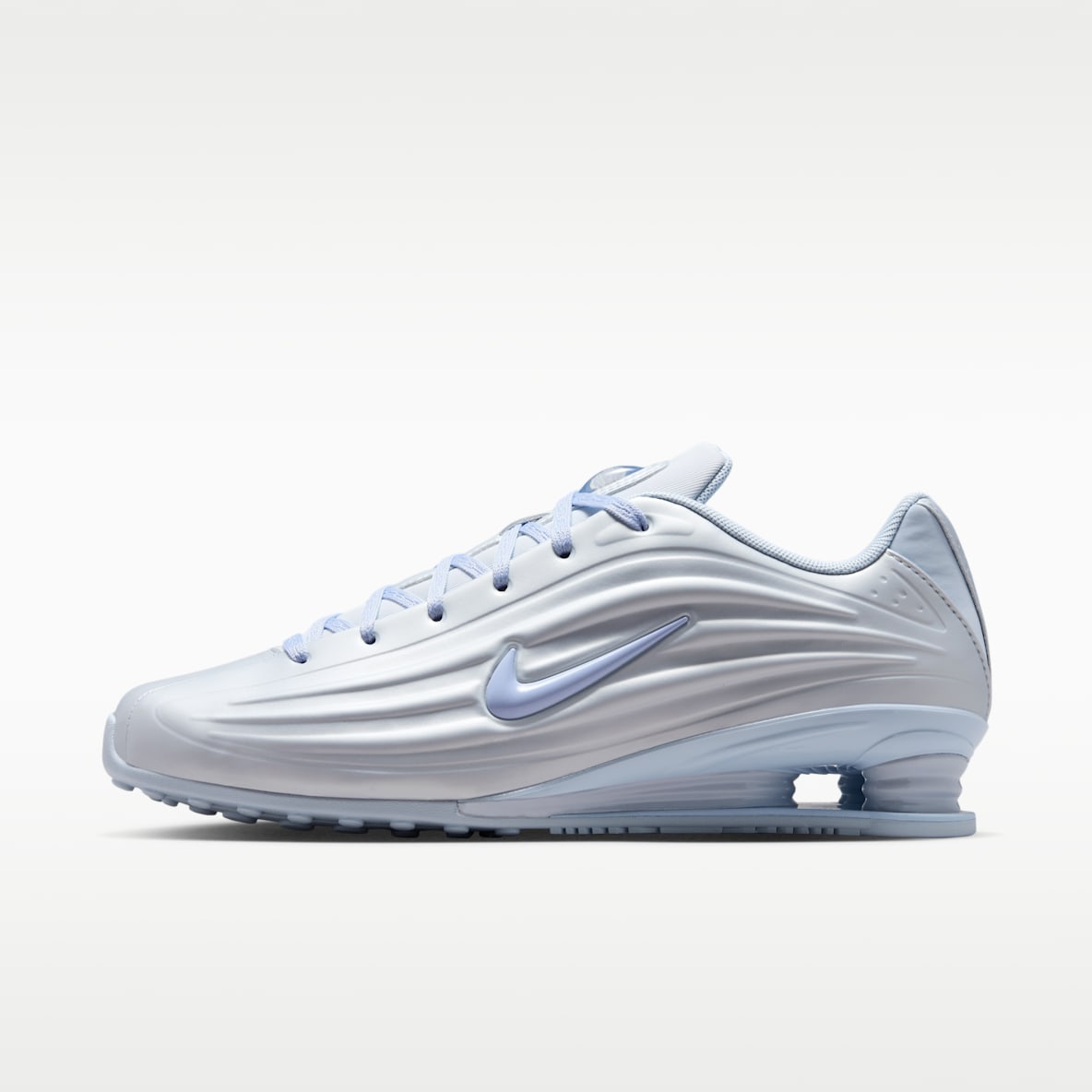
Can men wear women’s Nike running shoes?
Yes, men can wear women’s Nike running shoes if the length, width, and support feel right. The shoe’s gender label does not determine whether it can safely be used by a particular person.
For running, fit deserves extra care because repeated impact can make small pressure points much worse. A women’s shoe may work well for a runner with a narrower foot. It may be less comfortable for a runner who needs more forefoot space or a larger width.
Before choosing one, consider:
- Your foot length and width
- Whether your foot swells during longer runs
- The thickness of your running socks
- Your running surface
- Whether you need a roomy or close fit
- Your ability to return or exchange the shoe
Do not choose a running shoe based only on color or a lower price. If the shoe causes pain, numbness, blisters, or unusual pressure, stop using it and reassess the fit.
A shoe cannot correct every foot or gait issue. If you have persistent pain, a foot condition, or a history of running injuries, a podiatrist or qualified sports-medicine professional can provide individual guidance.
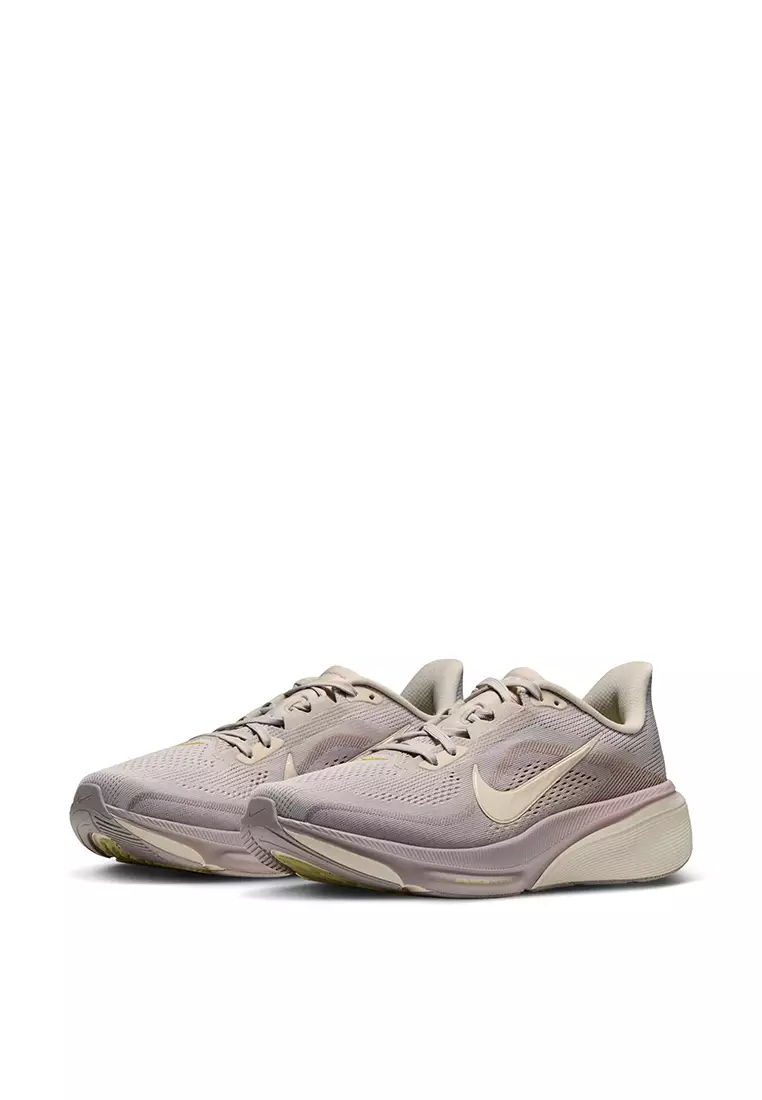
Can men wear women’s Nike basketball shoes or training shoes?
Yes, but basketball and training shoes require a secure fit for quick movement. The shoe should hold your heel and midfoot without squeezing your toes.
For basketball, pay close attention to:
- Side-to-side stability
- Heel movement
- Forefoot width
- Traction on the court
- Comfort during repeated jumps and stops
For gym training, check whether your foot feels stable during squats, lunges, and lateral movements. A very narrow shoe may feel restrictive during strength work, while a very soft running shoe may not feel stable for lifting.
A lifestyle sneaker may feel comfortable for casual use but may not provide the support, traction, or structure needed for sport. Nike product descriptions can help explain the intended activity, but comfort and fit still need to be checked on your feet.
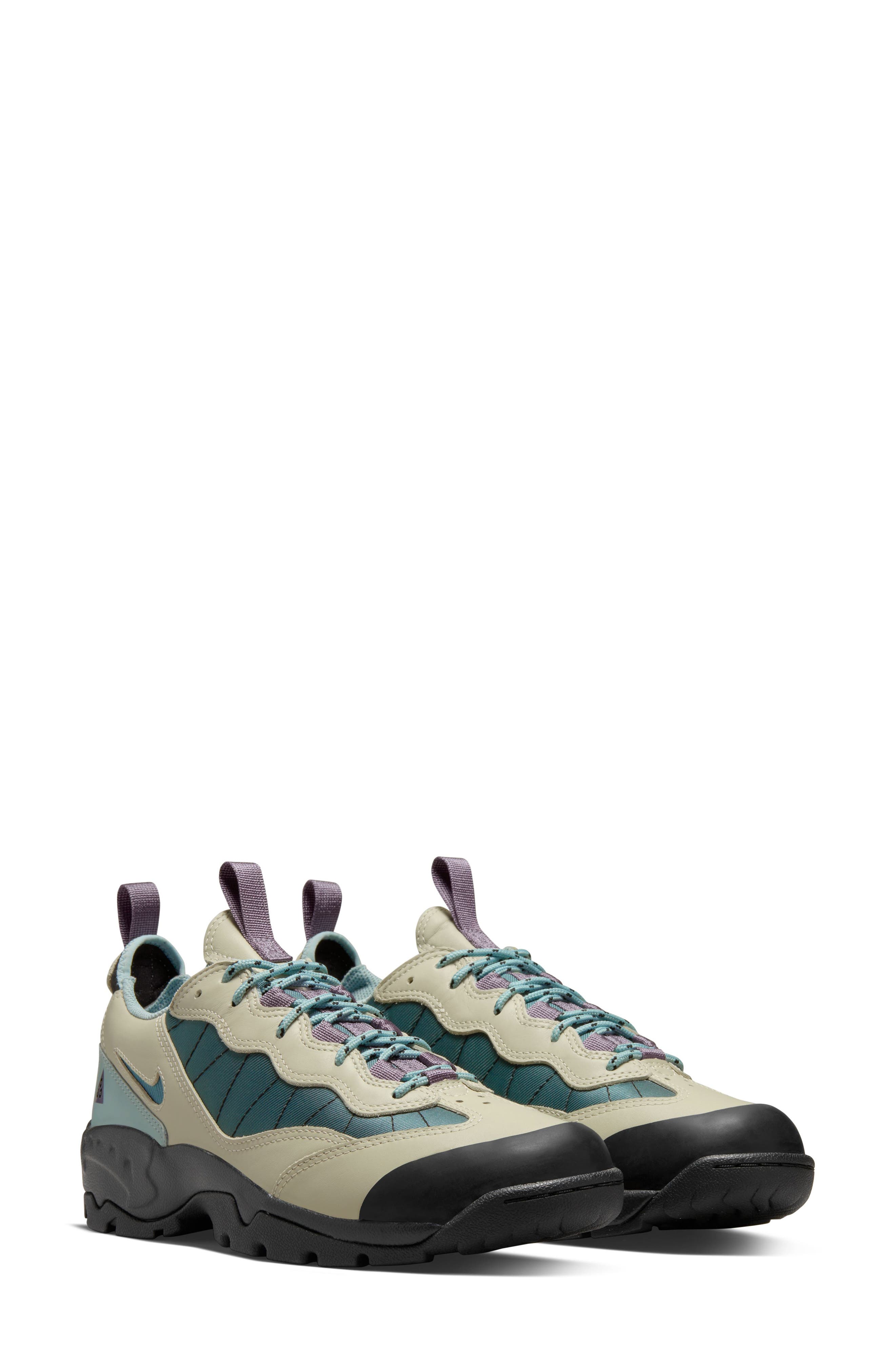
What should I do if women’s Nike shoes feel too narrow?
If the shoe feels too narrow, first confirm that the length is correct. If your toes are near the end and the sides are tight, the model may simply be too small.
If the length is correct, try these options:
- Check whether Nike offers the model in a wide width.
- Try a different Nike model with a roomier toe box.
- Use thinner socks only if the shoe is slightly tight, not painfully tight.
- Loosen the laces across the forefoot.
- Compare the shoe with your usual pair on both feet.
- Return or exchange it if pressure remains.
Do not expect the shoe to stretch enough to solve strong side pressure. Modern athletic shoes may soften with use, but painful tightness is a warning sign, not a break-in requirement.
If one foot is much wider than the other, fit the larger foot. You can adjust the smaller side with lacing or an insert if needed, but the shoe should not cause pain on either foot.
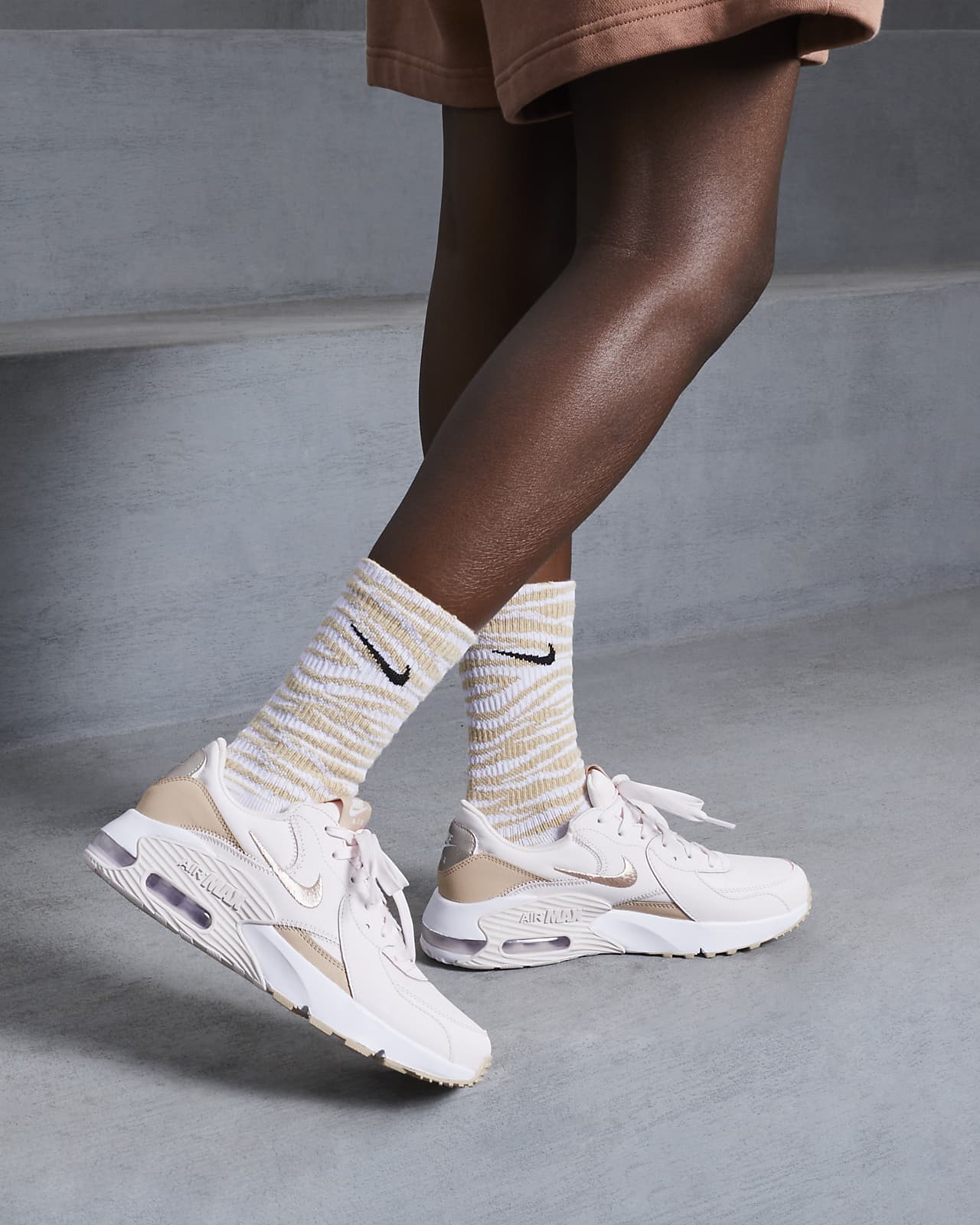
Do women’s Nike shoes perform differently?
The answer depends on the exact model. A women’s version may have changes in the upper, fit, foam setup, or structure, but you should not assume that every women’s shoe has a different level of performance.
Nike’s product information is the best source for documented design details. However, a product specification does not prove that one version will perform better for every wearer. Your body size, foot shape, movement, and use will affect the experience.
The practical rule is simple:
- Choose the women’s version if it fits better and meets your activity needs.
- Choose the men’s version if it gives you better width, stability, or comfort.
- Choose a unisex model when you want fewer fit differences.
- Do not switch versions solely because one label seems more suitable.
For running, comfort and a secure fit are more useful decision points than the gender category printed on the box.

Common mistakes when buying women’s Nike shoes
Several mistakes can lead to an uncomfortable purchase.
Using only the size conversion
A men’s-to-women’s conversion can estimate length, but it does not confirm width. Always check the specific Nike chart and the shoe’s width options.
Buying a longer size to solve a width problem
Extra length may cause heel slip and foot movement. Look for a wider shoe or a different shape instead.
Ignoring the activity
Shoes designed for casual wear may not suit running, basketball, hiking, or weight training. Match the shoe to the movement you plan to do.
Testing only one foot
Try on both shoes. Your feet may not be identical, and a fit that works on one side may create pressure on the other.
Wearing them outdoors before confirming the fit
Try new shoes indoors first, especially if you may need to return or exchange them. Nike’s return conditions can vary by purchase type and product, so review the current US policy before wearing shoes outside.
Assuming pain is normal
A short break-in period may improve mild stiffness. It should not cause repeated pain, numbness, blisters, or loss of stability. Stop and reassess the fit if those symptoms occur.
Frequently asked questions
Can I wear women’s Nike shoes if I usually wear men’s sizes?
Yes. Start with the approximate US conversion, then verify the foot-length measurement and width. The correct size may differ by model.
Are women’s Nike shoes narrower than men’s Nike shoes?
They may be, especially in standard width, but this is not true in exactly the same way for every model. Check the product’s listed width and try the shoe on.
Can I wear women’s Nike shoes for running?
Yes, if the shoes fit securely and are designed for running. Check toe room, heel hold, forefoot width, and comfort during movement.
Can I wear women’s Nike shoes if I have wide feet?
You can, but a standard women’s shoe may feel too narrow. Look for a wide option or choose a model with a roomier shape.
Does wearing women’s Nike shoes affect performance?
Not automatically. Performance depends on the specific shoe, fit, activity, and wearer. A well-fitting women’s shoe can perform better for you than a poorly fitting men’s shoe.
Should I size up if women’s Nike shoes feel tight?
Only if the shoe is short. If the length is correct but the sides feel tight, sizing up may create too much extra length. Try a wide version or another model instead.
Conclusion
You can wear women’s Nike shoes in the United States if they fit your feet and suit your activity. The main factors are not the label but length, width, heel security, comfort, and intended use.
Use Nike’s current product chart, compare foot length, test both shoes indoors, and return them if they cause pain or instability. If the fit is secure and comfortable, the women’s category should not stop you from wearing them.

Michael Smith is the Content Strategist behind The Style Hub, where fashion meets function. With a keen eye for trends and a passion for everyday style, he curates content that helps readers make smarter, more stylish choices—from the perfect pair of sneakers to must-have accessories. Michael specializes in breaking down fashion into practical, wearable insights, making style accessible for everyone. When he’s not researching the latest trends, he’s exploring how comfort, innovation, and timeless design come together in modern fashion.