Introduction
The best men’s sandals depend on where you will wear them, how far you will walk, and how well they fit your feet. For a short trip to the pool, a simple slide may work. For city walks, travel, or outdoor use, choose sandals with secure straps, a firm sole, good traction, and enough room for your toes.
In the United States, sandals must also suit local conditions. Hot sidewalks, wet pool decks, long road trips, and uneven trails each call for different features. Start with the activity, then check fit, support, comfort, materials, and safety.

Start With the Main Use
Choose sandals for the task, not just the look. A sandal made for a beach may feel poor on a long walk. A dress sandal may look sharp but lack grip and foot support.
| Main use | Useful sandal type | Features to seek | Main limit |
|---|---|---|---|
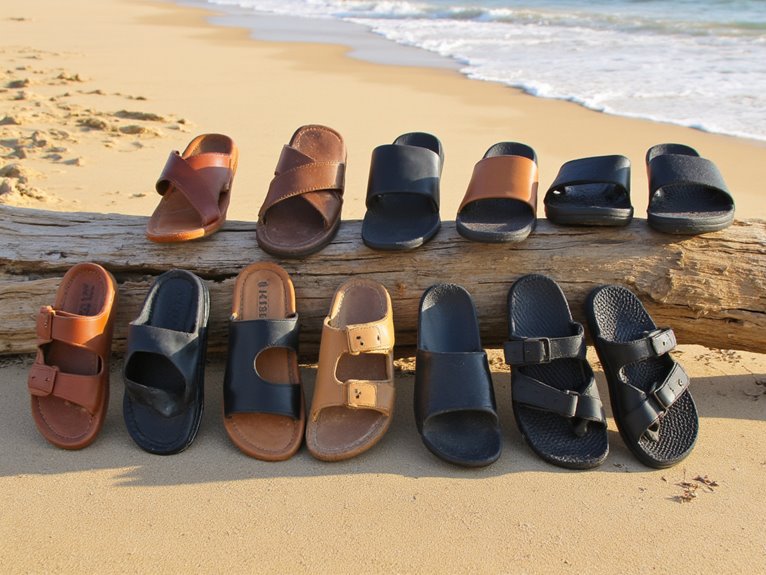
| Pool, locker room, or quick errands | Slide or flip-flop | Water-resistant material, easy cleaning, textured footbed | Low support and weak security |
| Beach and casual summer wear | Flip-flop or slide | Light weight, flexible sole, quick drying | Sand can cause rubbing |
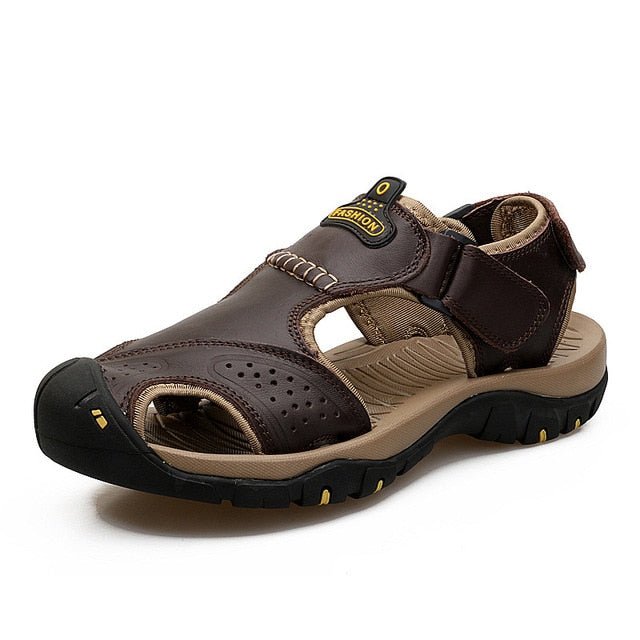
| City walking and travel | Sport sandal or secure fisherman sandal | Adjustable straps, cushioned footbed, firm sole, traction | More weight and bulk |
| Hiking or water trails | Outdoor sport sandal | Heel strap, toe protection, strong grip, quick-dry materials | Not a full replacement for hiking shoes |
| Yard work | Closed-toe outdoor sandal | Toe coverage, stable sole, secure fit | Can trap heat and dirt |
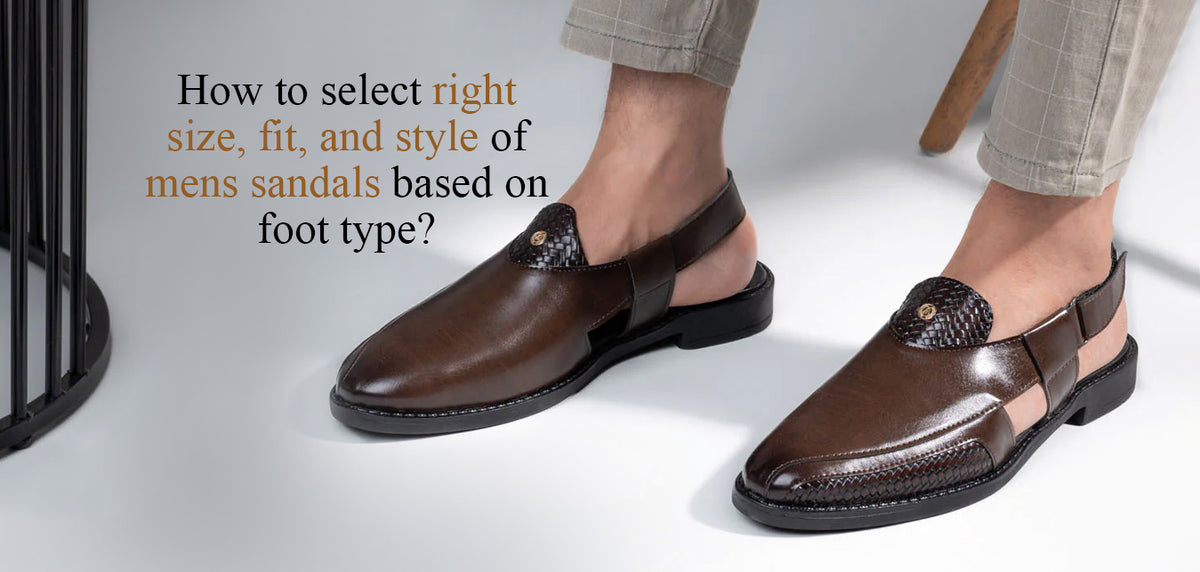
| Casual office or dinner | Leather sandal or dress sandal | Clean design, stable sole, soft upper, neat fit | Often less suited to long walks |
| Driving | Low-profile sandal with a secure heel | Firm foot hold, thin-to-medium sole | Loose slides can move on the foot |
A simple rule works well: the longer and more active the day, the more secure and supportive the sandal should be.
A sandal does not need to feel stiff to be supportive. It should hold your foot in place without forcing your toes to grip the footbed or making your ankle work hard to keep the sandal on.

Check the Fit Before You Judge the Style
A good fit is the most important part of choosing men’s sandals. The sandal should stay on your foot with normal steps. It should not pinch, slide, or make your toes hang over the edge.
Use this fitting process:
- Try sandals late in the day. Feet may swell after hours of standing or walking. A pair that fits only in the morning may feel tight later.
- Measure both feet. One foot is often slightly larger. Fit the larger foot.
- Stand while trying them on. Your foot spreads under your body weight.
- Check the heel. Your heel should sit fully on the footbed without hanging over the back.
- Check the toes. Your toes should not touch the front edge or spill over the sides.
- Walk for several minutes. Test stairs, turns, and a normal stride if the store allows it.
- Try both sandals. Do not judge the pair from one foot.
The american Orthopaedic Foot & Ankle Society recommends leaving space between the longest toe and the front of the shoe. A practical target is about three-eighths to one-half inch of room, while still keeping the foot centered.
Signs the sandal is too small
- Your longest toe touches the front edge.
- Your heel hangs over the back.
- The side straps press into your foot.
- Your toes curl or grip to keep the sandal in place.
- Your foot spills over the footbed when you stand.
Signs the sandal is too large
- Your foot slides forward with each step.
- The heel lifts or moves from side to side.
- The straps need to be pulled very tight.
- You trip when turning or walking down stairs.
- Your toes grip the footbed to control the sandal.
Do not expect a painful sandal to “break in.” Some leather may soften, but a poor length, narrow shape, or badly placed strap usually will not become a good fit.

Choose the Right Level of Support
Support means more than a soft footbed. A useful sandal keeps the foot stable, spreads pressure, and helps reduce unwanted movement.
Look for these features:
- A firm, stable sole: It should not fold in half with little effort.
- A shaped footbed: A modest heel cup and arch shape can help keep the foot centered.
- A secure heel strap: This matters for walking, travel, and outdoor use.
- Adjustable straps: You can fine-tune the fit as your feet swell.
- A wide, stable base: This can improve balance on uneven ground.
- A cushioned but not squishy footbed: Excess softness may feel good at first but can reduce stability.
Arch support is personal. A high arch does not automatically require a very high arch insert, and a flat foot does not automatically need a rigid device. Comfort, stability, and the absence of pain are better starting points.
If you have persistent foot pain, numbness, swelling, or a known foot problem, ask a podiatrist or another qualified health professional for personal advice. General sandal guidance cannot replace an examination.
Match the Sandal to the Activity
For everyday errands
Choose a slide or casual sandal with a shaped footbed and a sole that bends near the toes but does not twist easily. A backless design is convenient, but it may not stay secure during long walks.
For travel and city walking
Choose sandals with adjustable straps and a heel strap. Travel often means long periods on hard pavement, airport floors, and unfamiliar surfaces. A secure fit can reduce rubbing and help prevent the foot from sliding forward.
Test the sandal with the socks, pants, or shorts you expect to wear. Also check whether the sole has enough traction for wet floors.
For hiking and outdoor use
Use an outdoor sport sandal with:
- A secure heel strap
- Quick-drying materials
- Strong tread
- A protective toe area when rocks or roots are likely
- Straps that do not loosen during movement
Open sandals leave more of the foot exposed than hiking shoes. They may not protect against sharp rocks, insects, cold, or loose debris. For rugged trails, a trail shoe or hiking shoe may be safer.
For beaches and pools
A simple slide or flip-flop can work for short trips. Choose a sole with some texture because smooth soles may slip on wet surfaces.
Do not use a casual flip-flop for long walks if it makes your toes grip or your feet slap the ground. That design is made for convenience, not demanding mileage.
The Centers for Disease Control and Prevention advises wearing footwear in damp public areas such as locker rooms and pool decks. Sandals can help reduce direct contact with contaminated surfaces, but they do not remove all infection risk.
For driving
A sandal should stay firmly on your foot and allow controlled pedal movement. Loose slides can shift or come off. If a sandal catches on a pedal or feels unstable, change footwear before driving.
For work or formal settings
Choose a clean, simple design with a secure fit and a sole that matches the setting. Leather may look more polished, while rubber and synthetic materials often handle water and dirt better.
Check your workplace rules. Some jobs require closed-toe or protective footwear. Sandals are not suitable where falling objects, chemicals, machinery, or electrical hazards exist.

Consider Materials, Weather, and Maintenance
Material affects comfort, drying time, odor, and durability.
Leather
Leather can offer a polished look and may soften with wear. It is often a strong choice for casual or dress settings. Keep it away from prolonged soaking unless the manufacturer allows it. Wet leather may stain, stretch, or lose its shape.
Synthetic materials
Synthetic straps and footbeds are often easy to clean and may dry faster. They can work well for travel, water use, and outdoor activities. Some synthetic materials may feel warm or cause rubbing in hot weather.
Rubber and foam
Rubber offers water resistance and easy cleaning. Foam can keep sandals light and soft. The trade-off is that very soft foam may compress over time and provide less stable support.
Textile straps
Textile can feel soft and reduce pressure from straps. It may absorb water and take longer to dry. Check the stitching, especially near adjustment points.
After wearing sandals in water or heavy sweat:
- Rinse away salt, chlorine, or dirt when the care label permits.
- Let them dry in a ventilated place.
- Avoid strong direct heat, such as a heater or hot car dashboard.
- Clean the footbed when odor or buildup appears.
- Check straps and soles before the next long walk.
Do not wear the same damp pair all day if you can avoid it. Dry sandals help reduce odor and may lower the chance of skin irritation.

Pay Attention to Straps and Pressure Points
Straps should hold the foot without cutting into the skin. The best strap position depends on your foot shape, but pressure should not collect at one small spot.
Walk for at least a few minutes and check:
- The area between the toes on a thong sandal
- The top of the foot beneath the main strap
- The sides of the foot
- The heel strap
- The space between the toes and the front edge
Red marks that fade quickly may occur with normal wear. Burning, sharp pain, blisters, lasting redness, or numbness means the fit needs attention.
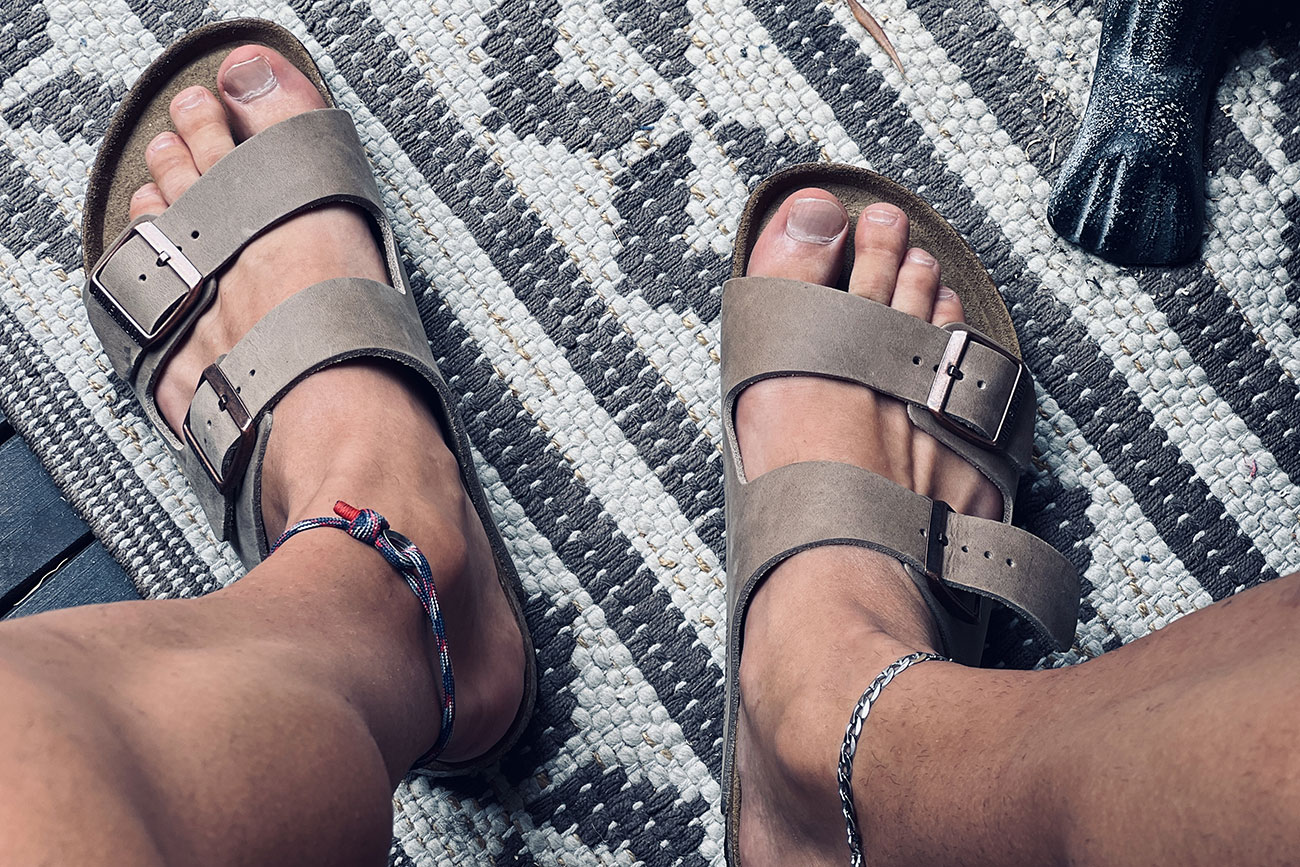
A toe post can bother people with sensitive skin or a wider forefoot. If that happens, choose a slide, two-strap sandal, or design with a softer and wider divider.
Never tighten a strap so much that it leaves deep marks or causes tingling. The goal is control, not compression.
Use a Simple Buying Checklist
Before buying men’s sandals, ask these questions:
- Where will I wear them most?
- How many hours will I wear them at one time?
- Do I need water resistance?
- Do I need a heel strap?
- Will I walk on pavement, trails, sand, or wet floors?
- Does the sandal fit the larger foot?
- Is there about three-eighths to one-half inch of toe room?
- Does my heel stay on the footbed?
- Can I adjust the straps without pain?
- Does the sole grip the floor?
- Can I clean and dry the material?
- Does the return policy allow a fit check at home?
If the sandal fails the fit test, do not let color or brand name decide the purchase. Comfort and stability affect whether you will actually wear the pair.
Common Mistakes to Avoid
Buying by size alone
Men’s sandal sizes are not identical across brands or styles. A size 10 in one brand may not have the same length or width as a size 10 elsewhere.
Choosing the softest footbed
Softness feels comfortable in a short try-on. It does not always provide the stability needed for long walks.
Wearing flip-flops for every activity
Flip-flops are useful for short, casual wear. They may be a poor choice for long distances, fast walking, uneven ground, or driving if they do not stay secure.
Ignoring width
A sandal can have the correct length and still be too narrow. Look for a wider footbed or adjustable straps if your foot spills over the sides.
Assuming waterproof means slip-proof
Water resistance and traction are different features. A sandal may resist water but still slide on smooth tile.
Wearing new sandals on a long trip
Test new sandals at home first. Wear them for short periods and check for rubbing. Pack a backup pair for travel.
Wearing sandals with foot problems without guidance
People with diabetes or reduced sensation need extra care because small blisters or cuts may go unnoticed. The American Diabetes Association recommends regular foot checks and properly fitting footwear. Ask your health professional what type of footwear is suitable for you.
Evidence and Limits Behind These Recommendations
The fit guidance in this article follows general footwear advice from the American Orthopaedic Foot & Ankle Society and the American Podiatric Medical Association. Their guidance supports checking length, width, comfort, and fit while standing rather than relying on a label alone.
The hygiene advice reflects guidance from the Centers for Disease Control and Prevention about footwear in damp public places. Foot-care cautions for people with diabetes reflect information from the American Diabetes Association.
These sources support general choices, not a promise that one sandal will prevent pain or injury. Foot shape, activity, health conditions, and walking habits differ. If pain continues after changing footwear, seek an assessment from a podiatrist or another qualified clinician.

FAQs About Choosing Men’s Sandals
Should men’s sandals have arch support?
They do not all need the same amount of arch support. Choose a footbed that feels stable and comfortable without creating pressure under the arch. If you have pain or a diagnosed foot condition, ask a clinician for personal advice.
Are flip-flops bad for your feet?
Not automatically. They can work for short, low-demand activities. They are less suitable when they make you grip with your toes, slide around, or walk long distances.
How much room should be in men’s sandals?
Leave about three-eighths to one-half inch between your longest toe and the front edge. Your heel should stay fully on the footbed, and your foot should not spill over the sides.
Should sandals be loose or tight?
They should be secure but not tight. Straps should stop excessive movement without causing deep marks, tingling, numbness, or pain.
Can you wear sandals for hiking?
You can wear outdoor sport sandals on suitable trails when they have secure straps, good traction, and enough protection for the terrain. Use closed-toe hiking footwear when the trail has sharp rocks, heavy debris, cold conditions, or other hazards.
How should men’s sandals fit around the heel?
The heel should rest on the footbed without hanging over the back. A heel strap should prevent lifting and side-to-side movement but should not rub or squeeze.
Conclusion
To choose men’s sandals, begin with the activity and then check the fit. For short casual use, a slide or flip-flop may be enough. For walking, travel, and outdoor use, choose adjustable straps, a secure heel, a stable footbed, and reliable traction.
Try sandals while standing and walking. Fit the larger foot, leave room for the longest toe, and reject any pair that causes rubbing, pressure, or instability. The right sandal should feel secure enough to walk in and comfortable enough to forget about.

Michael Smith is the Content Strategist behind The Style Hub, where fashion meets function. With a keen eye for trends and a passion for everyday style, he curates content that helps readers make smarter, more stylish choices—from the perfect pair of sneakers to must-have accessories. Michael specializes in breaking down fashion into practical, wearable insights, making style accessible for everyone. When he’s not researching the latest trends, he’s exploring how comfort, innovation, and timeless design come together in modern fashion.