Introduction
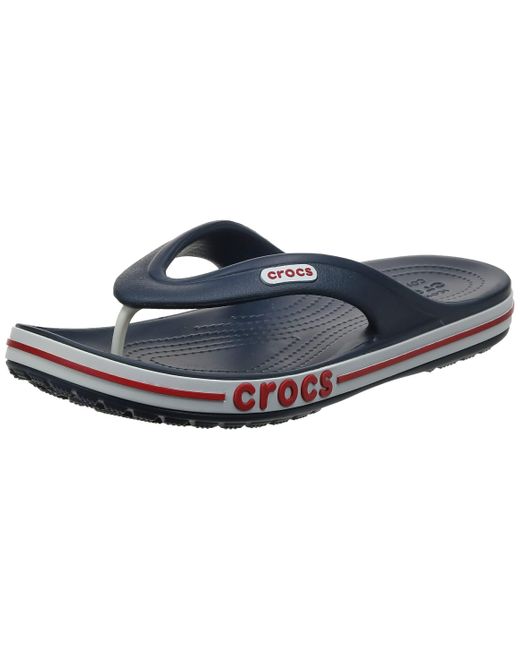
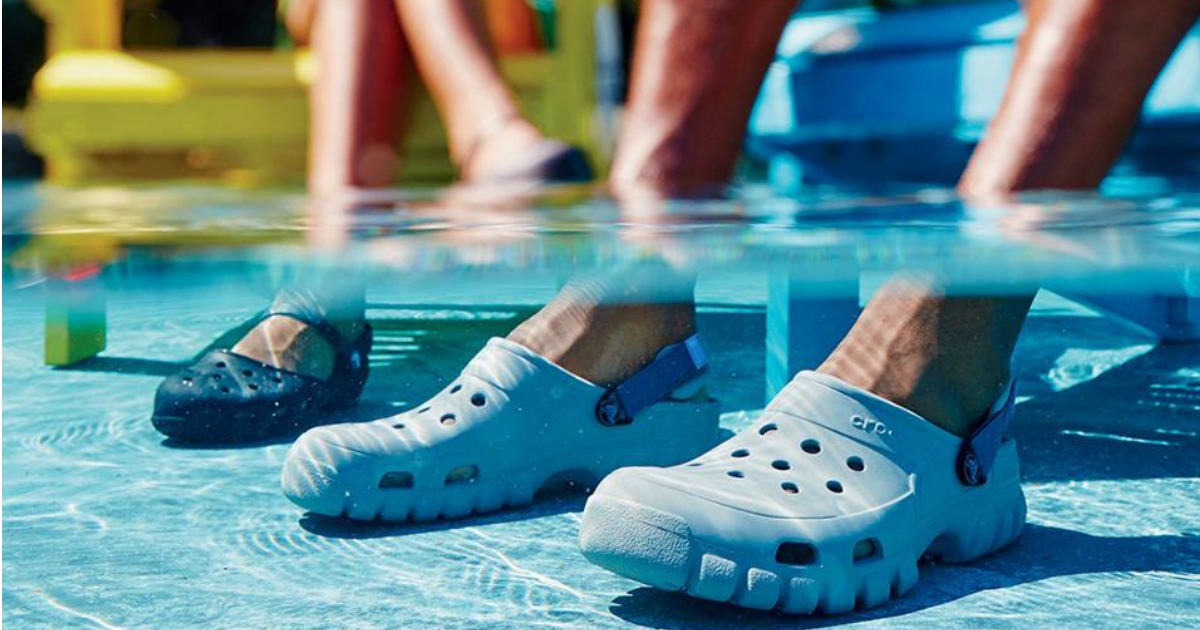
Yes, Crocs can be used as shower shoes in the United States, especially in gym locker rooms, college dorms, campgrounds, and public pool areas. Their molded, water-friendly material is easy to rinse, and many styles have an outsole that grips better than a bare foot.
Still, Crocs are not made only for showers. They may feel loose when wet, hold water around the foot, or lack enough grip if the tread is worn. For a short shower, they can work well. For frequent use in a busy locker room, a purpose-built shower sandal may offer better drainage and fit.

Why Crocs Can Work as Shower Shoes
Crocs work as shower shoes because they have several useful features for wet areas:
- Water-friendly molded material: Classic Crocs are made from Croslite™ material, a closed-cell resin used in the shoe body.
- Easy cleaning: You can rinse off soap, dirt, and pool water after use.
- Raised sole: The sole keeps much of your foot away from the shower floor.
- Heel strap on many models: The strap can help keep the shoe in place.
- Ventilation holes: These let water drain and air reach the foot, though they also allow water and spray to enter.
- Treaded outsole: The tread may provide traction on wet surfaces when it is still in good condition.
The main reason to wear shower shoes is not comfort alone. It is to reduce direct contact with shared floors. The Centers for Disease Control and Prevention recommends wearing shower shoes in locker rooms and public showers as part of foot hygiene practices.
That does not make Crocs a medical shield. Water, soap, and germs can still reach your feet through the holes and around the sole. Crocs create a layer between your skin and the floor; they do not make a shared shower sterile.
Crocs styles that may work best
A low, simple clog or sandal-style Crocs model is usually easier to use in a shower than a lined winter model. Avoid styles with:
- Fleece or fur linings
- Thick fabric sections
- Decorative parts that trap water
- Very smooth or worn soles
- Loose straps
- Large openings that make the shoe unstable
The exact model matters. Crocs makes many styles, and their drainage, tread, and fit can differ. Check the sole and upper before using any pair in a wet public area.
Are Crocs Safe on Wet Shower Floors?
Crocs may be safe on a wet shower floor when the sole has good tread and the shoe fits securely. They are not automatically slip-proof.
Slip risk depends on several factors:
- Floor surface: Tile, sealed concrete, textured plastic, and stone can behave differently when wet.
- Soap or shampoo: A soapy film can make almost any sole less stable.
- Sole wear: Smooth areas reduce traction.
- Fit: A shoe that slides or twists can make you lose balance.
- Walking speed: Quick turns and long steps increase the chance of slipping.
- Body position: A loose clog may shift when you lift your heel or step over a curb.
Before using Crocs in a public shower, inspect the bottom. Look for deep, visible grooves. If the tread is flat, cracked, or worn smooth, replace the pair or choose another shoe.
Take short steps. Keep your feet under your body. Use a rail when one is available. Do not assume the heel strap will prevent every slip.
When Crocs may not be a good choice
Use extra caution if you:
- Have trouble with balance
- Have reduced feeling in your feet
- Are recovering from foot or ankle surgery
- Need a shoe with a very secure closed heel
- Walk on highly soapy or sloped surfaces
- Wear Crocs that are too large
- Notice your foot sliding inside the shoe
People with diabetes or reduced sensation should be especially careful around wet floors. A podiatrist can help choose footwear if foot protection or balance is a concern.

Can Crocs Help Prevent Athlete’s Foot?
Crocs may reduce direct contact with a contaminated shower floor, but they cannot prevent athlete’s foot by themselves.
Athlete’s foot is a common fungal infection. The fungus can spread in warm, damp places such as locker rooms, pool decks, and public showers. Wearing shower shoes is one useful prevention step. Other helpful steps include:
- Drying your feet well after showering
- Drying between your toes
- Avoiding shared towels and footwear
- Changing damp socks
- Keeping shoes clean and dry
- Covering small cuts when appropriate
- Not sharing Crocs with another person
Crocs can also create a damp environment if you leave them wet for long periods. Moisture around the foot does not automatically cause an infection, but it can make the area more comfortable for fungus and irritate the skin.
If you develop itching, scaling, cracking, burning, or a rash that does not improve, ask a health professional or pharmacist for advice. A rash can have causes other than athlete’s foot, so repeated self-treatment may delay the right care.

How to Use Crocs as Shower Shoes
Follow these steps to make Crocs more useful and safer in a public shower.
1. Check the fit
Your foot should sit inside the shoe without sliding from side to side. Your toes should not hang over the front. The heel strap should rest behind your heel if you use it.
A loose fit is a poor fit for wet floors. A tight fit can rub and cause blisters.
2. Inspect the sole
Turn the Crocs over before each use. Do not rely on a pair with a smooth, damaged, or badly worn outsole.
Also check for stones, hair, or dirt stuck in the tread. These can affect traction.
3. Rinse the shoes first
If the pair has dirt on the sole, rinse it off before stepping into the shower. Dirt can reduce contact between the tread and the floor.
4. Walk with care
Take small steps. Avoid sharp turns. Hold a grab bar if the shower has one. Be careful when stepping out, since the area outside the shower may be just as slippery.
5. Rinse the Crocs after use
Wash away soap, shampoo, pool chemicals, and loose dirt. Pay attention to the tread and the inside of the shoe.
6. Dry both your feet and the shoes
Dry your feet well, especially between the toes. Then let the Crocs air-dry in a shaded, ventilated place.
Do not put them in a hot dryer or leave them on a hot car dashboard. High heat can change the shape of Crocs material.
Signs the setup is working
Your Crocs are doing their job when:
- They stay on your feet while walking
- Your feet do not slide inside them
- The sole maintains contact with the floor
- The tread remains visible
- The shoes dry between uses
- You have no new rubbing, blisters, or skin irritation
If one of these points fails, change the fit, clean the pair, or use another type of shower shoe.

Crocs vs. Purpose-Built Shower Shoes
Crocs are convenient, but a dedicated shower sandal may fit the task better. The best choice depends on where you use it and how often.
| Feature | Crocs | Shower sandals or slides |
|---|---|---|
| Water resistance | Generally good for short use | Usually designed for wet use |
| Drainage | Depends on holes and model | Often designed to drain quickly |
| Heel security | Better with a heel strap | Slides may offer less security |
| Cleaning | Easy to rinse | Usually easy to rinse |
| Foot coverage | Often more coverage | Often more open |
| Drying time | Can hold water in the footbed | Often dries faster |
| Everyday use | Good for many settings | Usually more limited |
| Wet-floor grip | Depends on outsole condition | Depends on the model and tread |
Crocs may be the better choice if you already own them, want more foot coverage, or need a shoe that also works around a pool or campsite.
A shower sandal may be better if you want a lighter shoe that drains quickly and packs flat. A closed-heel water shoe may be better when the main concern is keeping the shoe firmly attached to your foot.
No footwear type is safe on every wet floor. Look for a secure fit and a sole made for traction rather than choosing by brand name alone.

How to Clean and Dry Crocs After a Shower
Clean Crocs after use, especially when you wear them in a public gym or pool area.
Crocs’ care guidance generally recommends cleaning the shoes with cold water and mild soap, then allowing them to air-dry. Avoid strong solvents, harsh cleaners, and high heat. These can damage the material or change its shape.
Use this simple routine:
- Rinse off soap and loose dirt.
- Scrub the outsole with a soft brush if grime is stuck in the tread.
- Wash the footbed with mild soap and cool or lukewarm water.
- Rinse until no soap remains.
- Shake out excess water.
- Air-dry the pair in a cool, shaded place.
- Store them only after they are dry.
Do not share shower Crocs without cleaning them first. Cleaning reduces dirt and residue, but it does not guarantee that every germ or fungus has been removed.
Replace the pair when the sole is smooth, the material is cracked, the strap no longer works, or the footbed stays damp and develops a strong odor despite cleaning.
Common Mistakes to Avoid
Several habits make Crocs less useful as shower shoes.
Wearing worn-out Crocs
A familiar pair may still feel comfortable, but comfort does not prove that the sole has enough grip. Check the tread, not just the upper.
Using lined Crocs
Soft lining can absorb moisture and take longer to dry. It may also hold sweat and odor. Use an unlined pair for wet areas when possible.
Leaving them in a gym bag
A damp Crocs pair in a closed bag can develop odor. It also keeps your feet in a wet environment the next time you wear them.
Assuming the holes provide full drainage
The holes help water escape, but water can remain under the foot or around the heel. Lift and rinse the shoes after use.
Walking fast
A heel strap cannot replace careful movement. Wet floors need short, controlled steps.
Wearing someone else’s pair
Shared footwear can spread skin infections. Bring your own pair and keep it separate from towels and clothing.
Using harsh disinfectants
A strong cleaner may damage the shoe. Follow the care instructions for the exact model, and rinse away any cleaning product before wearing the pair.

Key Takeaways
- Yes, Crocs can be used as shower shoes in many U.S. gyms, pools, dorms, and campgrounds.
- They help limit direct contact with shared floors, but they do not make the shower germ-free.
- Check the fit and outsole before use.
- A worn or smooth sole can increase slip risk.
- Rinse Crocs after use and air-dry them fully.
- Unlined models are usually easier to clean and dry.
- A purpose-built shower sandal may be better for frequent use or faster drainage.
- People with balance problems, reduced foot sensation, or diabetes should use extra care and seek individualized advice when needed.
Frequently Asked Questions
Can I wear Crocs in a gym shower?
Yes. Crocs can work in a gym shower if they fit securely and have a clean, treaded sole. Rinse and dry them after each use.
Are Crocs waterproof?
Crocs material is water-friendly, but the shoes are not fully waterproof in the way sealed boots are. Their holes and openings let water enter. Water can also remain inside the shoe.
Do Crocs prevent athlete’s foot?
No. Crocs may reduce direct contact with a shared floor, but they do not prevent athlete’s foot on their own. Dry your feet, do not share footwear, and keep the Crocs clean and dry.
Are Crocs better than flip-flops for showers?
It depends on the model and the user. Crocs with a heel strap may stay on better than loose flip-flops, while shower slides may drain and dry faster. Compare fit, grip, coverage, and drying time.
Can Crocs go in a hot dryer?
High heat can change the shape of Crocs material. Air-dry them instead, away from direct heat and strong sun.
How often should I replace Crocs used as shower shoes?
Replace them when the tread is smooth, the sole cracks, the strap fails, or the shoe no longer fits securely. Frequency of use matters more than a fixed calendar date.
Conclusion
Crocs can be practical shower shoes in the United States. They are easy to rinse, offer more protection than bare feet, and may stay on better than an unsecured slide when the heel strap fits well.
Their limits matter. Crocs are not automatically slip-resistant, fully waterproof, or protective against fungal infection. Choose a pair with good tread, walk slowly, clean it after use, and let it dry completely. If the shoe feels loose, stays wet, or has a worn sole, replace it with a better-fitting shower sandal or water shoe.

Michael Smith is the Content Strategist behind The Style Hub, where fashion meets function. With a keen eye for trends and a passion for everyday style, he curates content that helps readers make smarter, more stylish choices—from the perfect pair of sneakers to must-have accessories. Michael specializes in breaking down fashion into practical, wearable insights, making style accessible for everyone. When he’s not researching the latest trends, he’s exploring how comfort, innovation, and timeless design come together in modern fashion.