Introduction
From New York sidewalks to weekend trips in Austin and crisp fall days in Seattle, lace-up booties are a useful part of an American wardrobe. They add shape to simple outfits and work with jeans, dresses, skirts, and tailored pants.
The easiest way to wear lace-up booties is to match their height and shape to your outfit. Wear slim booties with fitted jeans or a dress for a clean look. Choose chunkier boots with straight-leg denim, cargo pants, or relaxed layers. Tie the laces firmly, leave enough room for your toes, and check that the boot does not rub your heel or ankle.

What Are Lace-Up Booties?
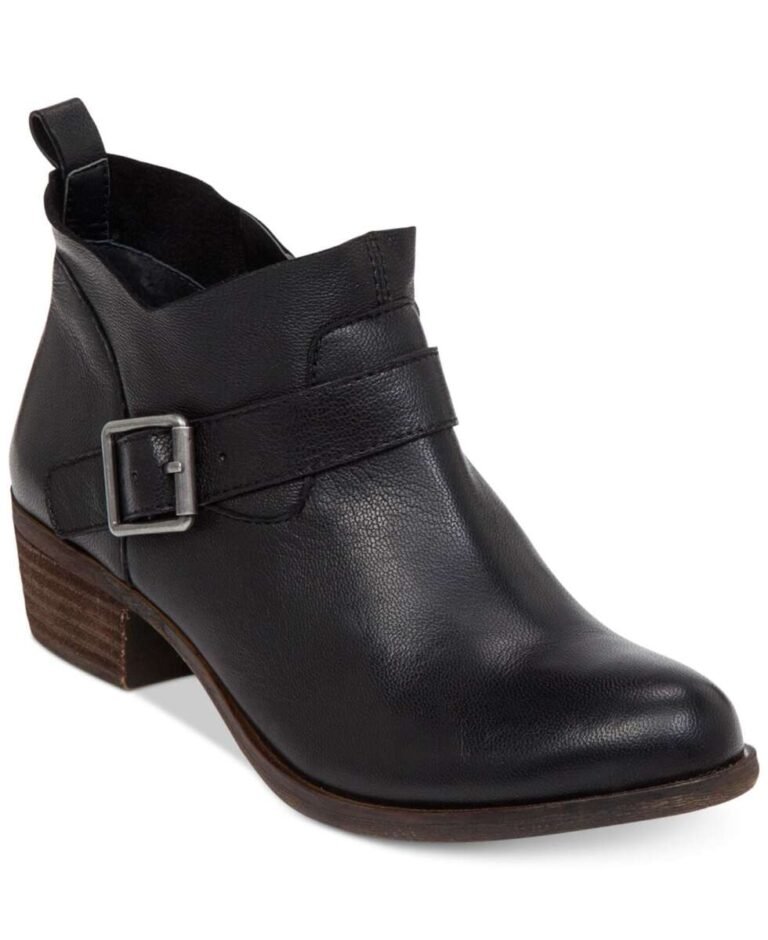
Lace-up booties are ankle boots that close with laces. Most end at or just above the ankle. They may have a low heel, block heel, platform, or flat sole.
Common styles include:
- Combat booties: Chunky soles, strong eyelets, and a casual feel.
- Heeled lace-up booties: A dressier choice for skirts, dresses, and tailored clothes.
- Western-inspired booties: Often feature pointed toes, angled heels, or decorative stitching.
- Hiking-inspired booties: Built with thicker soles and outdoor-style laces.
- Chelsea-lace hybrids: Combine elastic side panels with a lace front.
- Dress booties: Usually have a slim shape, smooth leather, and a refined sole.
The term “bootie” describes the short height. It does not always describe the style. That means the same basic shoe can look casual, polished, rugged, or edgy depending on its toe shape, sole, material, and heel.
How Should Lace-Up Booties Fit?
Lace-up booties should feel secure at the heel and ankle while leaving your toes room to move. Your heel may lift slightly when you walk, but it should not slide up and down inside the boot.
Use this quick fit check:
- Try on both boots. Feet can differ in size.
- Wear the socks you plan to use. Thick socks can change the fit.
- Stand and walk for several minutes. Check for pressure at the toes, ankle, and top of the foot.
- Bend your ankle. The boot should flex without digging into your ankle.
- Check your toes. They should not touch the front when you stand or walk downhill.
- Tie the laces from the toe upward. Keep the lower section snug and adjust the ankle section as needed.
A boot that feels tight across the toes will rarely become comfortable through wear. Leather may soften, but it will not reliably add meaningful length. If the boot causes sharp pain, numbness, blisters, or a change in your walking pattern, stop wearing it and choose a better fit.
How to Lace Booties for Comfort and Style
The best lacing method depends on your foot shape and the boot design. A neat crisscross pattern works for most outfits, but you can adjust the tension by section.
Standard crisscross lacing
Use this method for daily wear:
- Start with equal lace length on both sides.
- Cross each lace over the tongue.
- Pull the laces snug across the midfoot.
- Keep the top two eyelets firm around the ankle.
- Tie a flat bow and tuck the ends if they are long.
Do not pull every section equally tight. Your foot needs more room at the toes and more support around the ankle.
Lacing for a high instep
if the top of your foot feels compressed, skip one pair of eyelets over the highest point of your instep. This creates extra space without making the whole boot loose.
Lacing for heel movement
If your heel slips, use the top eyelets to create a “runner’s loop.” This locks the heel area in place. Tighten it only enough to reduce movement. Over-tightening can create pressure around the ankle.
Lacing for a wider forefoot
Keep the lower laces slightly looser and tighten the upper section for ankle support. If your toes still feel crowded, the boot may be too narrow. Lacing cannot fully correct an unsuitable boot shape.
What to Wear With Lace-Up Booties
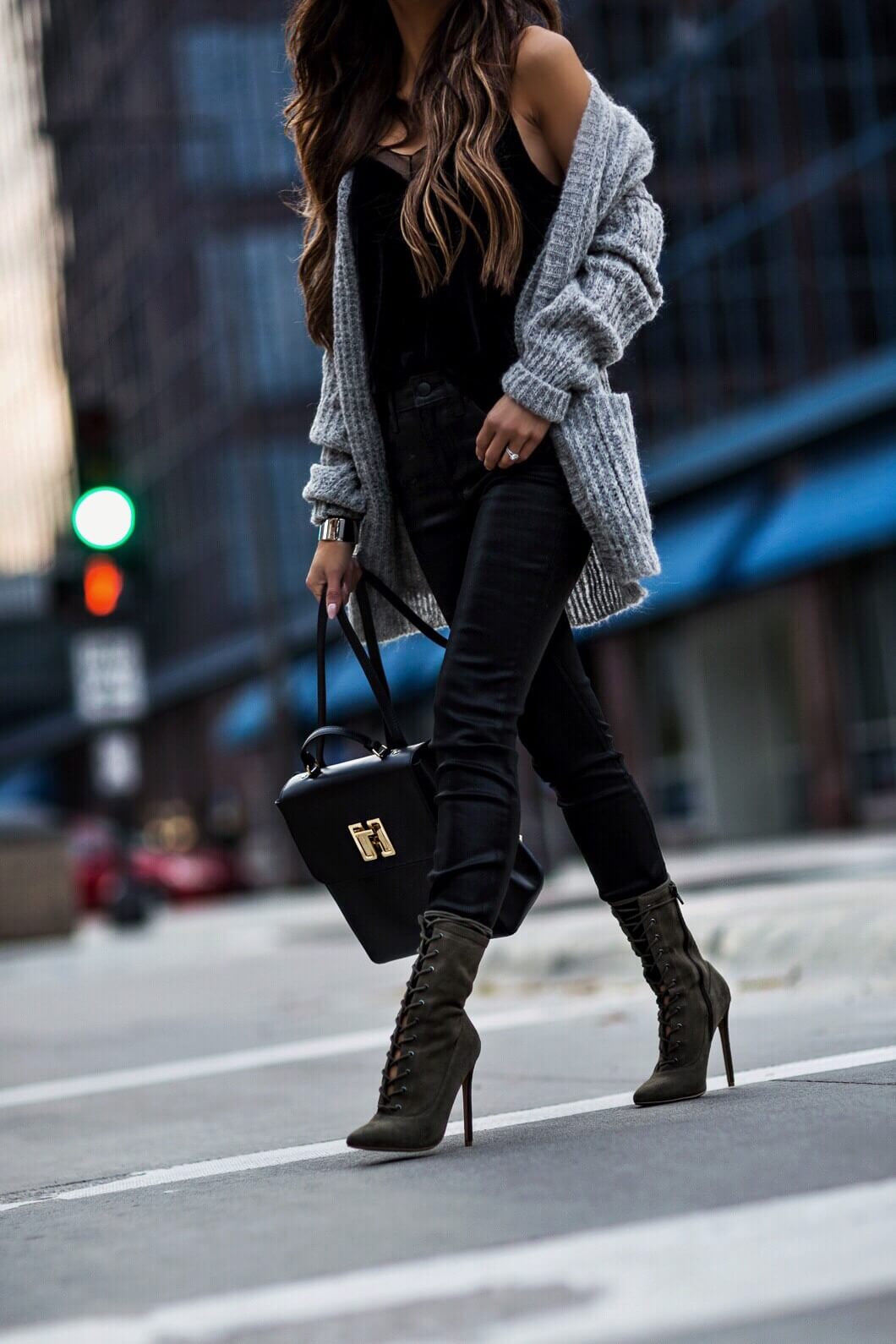
Lace-up booties work best when the rest of the outfit balances their visual weight. A thick boot usually looks better with structured or relaxed clothing. A slim boot can pair with lighter fabrics and dressier pieces.
1. Lace-up booties with skinny jeans
Skinny jeans create a clean line into the boot. You can:
- Tuck the jeans into the boot.
- Add a small cuff above the boot.
- Wear a longer top or sweater for balance.
- Choose a slim or medium-width boot shaft.
Black booties with dark jeans create a long, simple line. Brown or tan booties add contrast and work well with blue denim.
2. Lace-up booties with straight-leg jeans
Straight-leg jeans are one of the easiest matches. Let the hem rest just above the boot or lightly touch the top of it.
Avoid a large amount of fabric pooling over a short boot. If the jeans bunch up, make a small cuff or choose a slightly taller boot.
3. Lace-up booties with wide-leg jeans
Wide-leg jeans need enough boot height to keep the hem from dragging. A block heel or platform can help, but the hem should still sit close to the floor without touching it.
For a balanced outfit:
- Wear a fitted or tucked top.
- Choose a boot with a visible toe shape.
- Match the boot color to your belt or bag if you want a more polished look.
- Avoid a very delicate boot under extremely heavy denim.
4. Lace-up booties with leggings
Leggings pair well with combat-style and sleek leather booties. The boot should sit smoothly over or under the legging hem.
Try this formula:
- Black leggings
- Lace-up booties
- An oversized sweater, long shirt, or blazer
- A structured bag
If the boot shaft is wide, the leggings may bunch around the ankle. A slimmer boot or a taller legging hem can solve the problem.
5. Lace-up booties with a dress
Booties make a dress feel less formal and more suitable for everyday wear. They work with:
- Floral midi dresses
- Sweater dresses
- Shirt dresses
- Denim dresses
- Simple knit dresses
Use a slim heeled boot with a light dress. Use a chunky boot with a heavier knit, denim, or leather style. If the dress ends at the widest part of your calf, try a boot with a low, clean opening or choose a hem that falls above or below that point.
6. Lace-up booties with skirts
A short skirt and lace-up booties create a casual, youthful look. A midi skirt creates a more modern outfit when paired with a fitted boot.
For a balanced result:
- Use opaque tights in cold weather.
- Match the boot color to the tights to create a longer leg line.
- Pair a full skirt with a fitted top.
- Pair a pencil or straight skirt with a relaxed sweater or jacket.
7. Lace-up booties with tailored pants
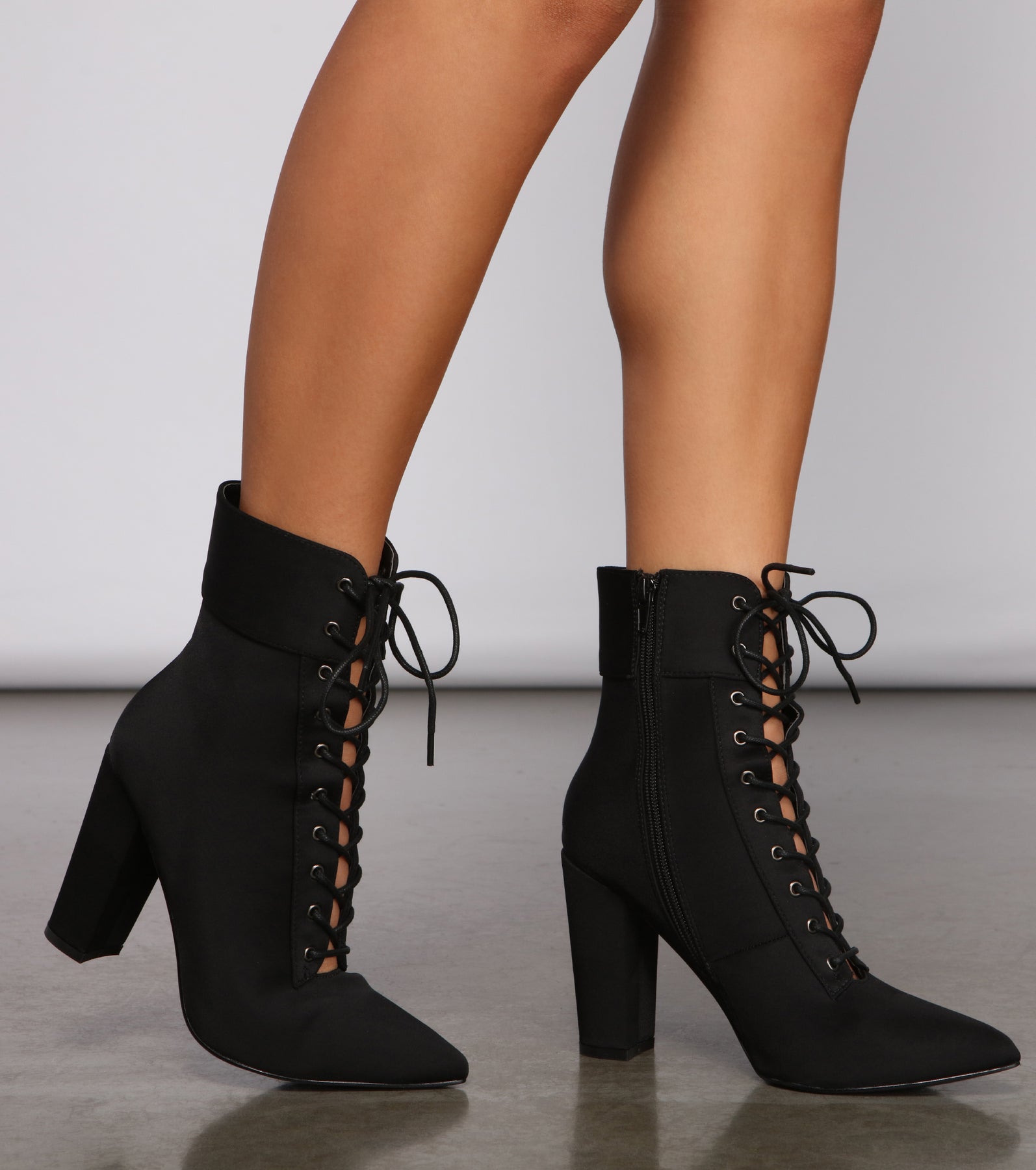
Dressy lace-up booties can work under ankle pants, cropped trousers, and suits. Look for a narrow toe, smooth material, and a low or medium heel.
The pant hem should not stop at an awkward point on the boot. A small gap can look intentional, but a hem that hits the widest part of the boot may shorten the leg visually.
How to Choose the Right Lace-Up Booties
Choose the boot based on your outfit, comfort needs, and the setting. There is no single style that works equally well for every wardrobe.
| Style | Best for | Watch for |
|---|---|---|
| Slim leather bootie | Work outfits, dresses, tailored pants | A narrow toe may feel tight |
| Combat bootie | Jeans, casual dresses, streetwear | A heavy sole can overpower light clothing |
| Block-heel bootie | Height with more stability than a thin heel | Check that the heel feels steady |
| Flat bootie | Walking, travel, everyday outfits | A very flat sole may feel less supportive for some people |
| Platform bootie | Wide-leg pants, bold outfits | Extra height can affect balance |
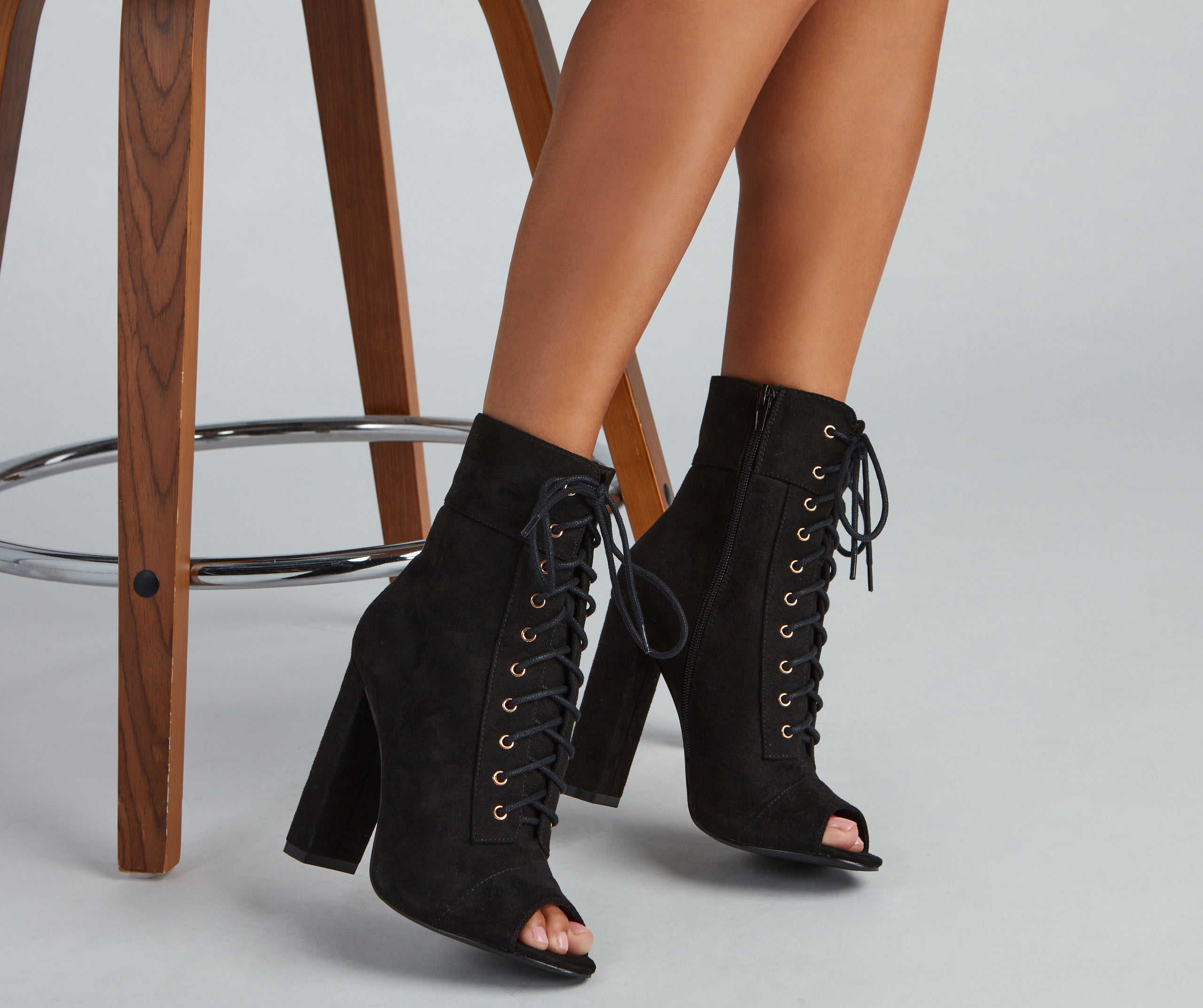
| Suede bootie | Soft fall and winter outfits | Suede needs protection from water and salt |
Color also changes the effect:
- Black: Sharp, easy to style, and useful with dark outfits.
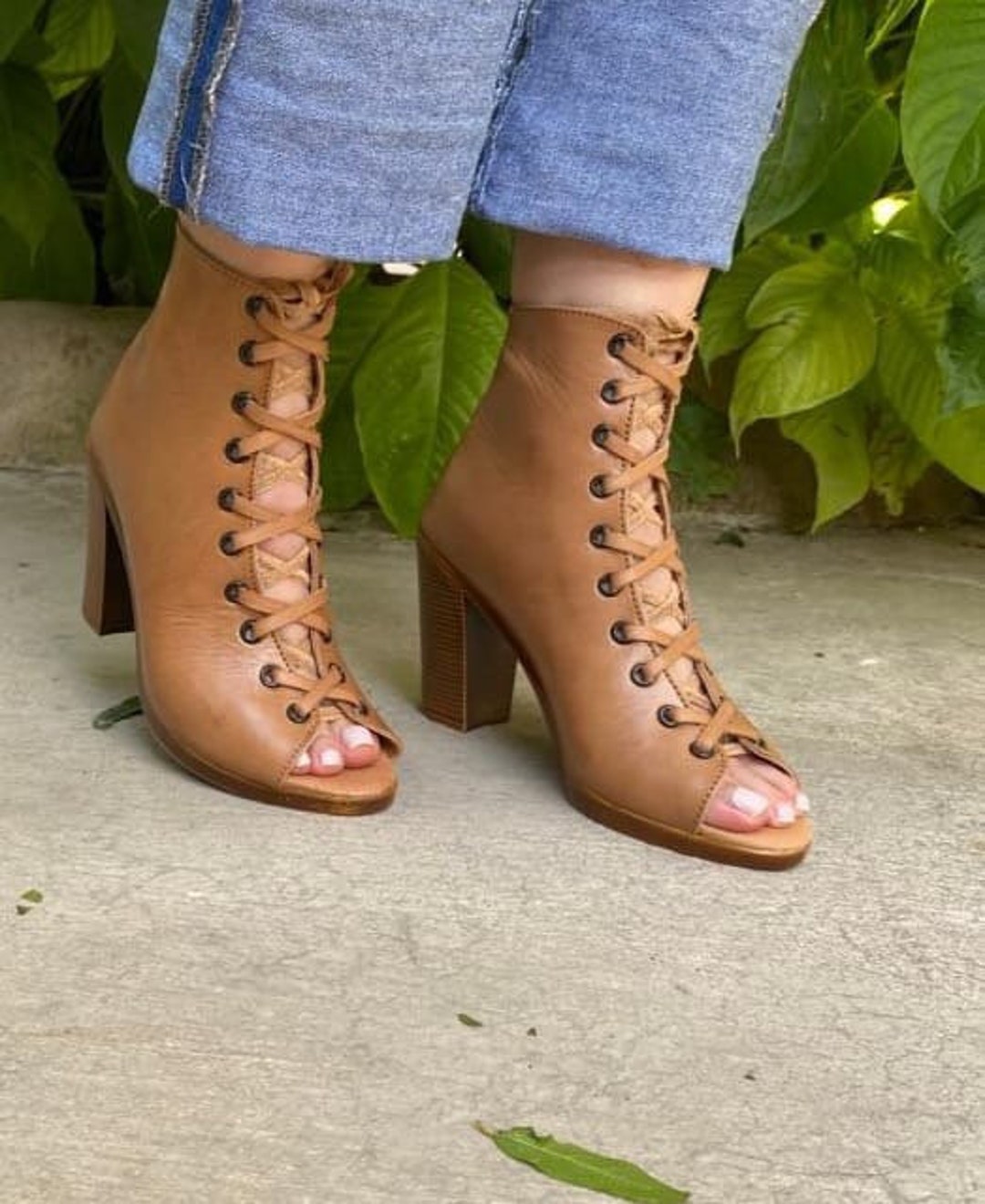
- Brown: Softer with blue jeans, cream, olive, and warm colors.
- Tan: Light and casual, especially for spring and fall.
- White or cream: Fashion-forward and best when kept clean.
- Burgundy or green: Adds color without becoming as loud as a bright shoe.
How to Wear Lace-Up Booties for Different Occasions
For work
Choose a simple boot with a clean finish and a low or medium heel. Wear it with ankle pants, a midi skirt, dark jeans if permitted, or a tailored dress.
Avoid very worn soles, bright contrast laces, and oversized hardware in conservative offices. If your workplace has a dress code, follow it before using fashion advice.
For casual weekends
Combat booties, lug soles, and soft suede styles work well with jeans, leggings, flannel shirts, denim jackets, and sweaters.
Keep the outfit from feeling too heavy by showing a small amount of ankle, using a lighter top, or adding a simple piece of jewelry.
For a date or dinner
Try a slim heeled bootie with a dress, dark denim, or wide-leg trousers. Pointed or almond toes usually look more refined than very rounded toes.
A simple boot lets the outfit lead. A studded or buckled boot becomes the main feature, so keep the rest of the clothing more restrained.
For travel
Choose comfort first. A low heel, flexible sole, secure laces, and a soft interior are more useful than extra decoration.
Before a trip, wear the boots around your home and on short walks. Never make a long travel day the first test of a new pair.
How to Wear Lace-Up Booties in Every Season
Fall
Fall is the natural season for lace-up booties. Wear them with straight-leg jeans, flannel shirts, knit dresses, denim jackets, and lightweight coats.
Brown suede works well with camel, olive, rust, cream, and dark denim. Black leather pairs easily with gray, navy, burgundy, and black.
Winter
For cold weather, look for insulation, a treaded sole, and enough room for the socks you plan to wear. Avoid forcing thick socks into a boot that already feels tight.
In areas that use road salt, clean the boots soon after exposure. Salt can leave pale marks and dry some leather finishes.
Spring
Pair booties with lighter denim, floral dresses, cotton skirts, and cropped pants. Suede and light-colored leather can work well in dry weather.
If spring rain is common where you live, check the care instructions before wearing suede or untreated leather outdoors.
Summer
Lace-up booties can work on cooler summer days with denim shorts, short dresses, or lightweight skirts. Choose a breathable style and avoid heavy socks.
The outfit usually looks best when the boot is not paired with too many other heavy pieces.
Common Mistakes to Avoid
Wearing the wrong boot height
A boot that cuts across the widest part of the calf can make the leg look shorter. Try a different hem length, a taller shaft, or a boot with a more open ankle line.
Ignoring the boot’s visual weight
A thick lug boot may overwhelm a thin, silky dress. Balance it with a denim jacket, leather jacket, heavier knit, or other structured layer.
Tying the laces too tightly
Tight laces can create pressure across the foot and ankle. Use different tension in different sections instead of pulling the entire lace evenly.
Letting jeans bunch over the boot
Excess fabric can make the outfit look messy. Cuff the hem, tuck it in, or choose a boot with a taller shaft.
Choosing style over walking comfort
A beautiful boot is not useful if it causes pain. Check the fit indoors before wearing it outside. Many retailers limit returns after outdoor wear.
Wearing delicate materials in harsh weather
Suede, light leather, and fabric booties may not handle rain, snow, or salt well. Use a weather-appropriate pair when conditions are poor.
How to Care for Lace-Up Booties
Good care helps booties keep their shape and finish.
- Brush off dry dirt before storing the boots.
- Use a cleaner made for the boot’s material.
- Test any product on a hidden area first.
- Let wet boots dry at room temperature.
- Keep boots away from direct heat, radiators, and hair dryers.
- Use boot trees or clean paper to help hold the shape.
- Store them in a cool, dry place.
- Replace worn laces before they snap.
- Check the sole and heel for damage before long walks.
Leather, suede, nubuck, and synthetic materials need different care. Always follow the product maker’s instructions when they differ from general advice.
Quick Outfit Formula Guide
Use these combinations when you need a fast starting point:
- Everyday: Straight-leg jeans, fitted T-shirt, cardigan, brown lace-up booties.
- Edgy: Black leggings, oversized blazer, black combat booties.
- Polished: Ankle trousers, silk or knit top, slim black booties.
- Feminine: Midi dress, cropped jacket, heeled lace-up booties.
- Relaxed: Wide-leg jeans, tucked sweater, platform booties.
- Cold weather: Sweater dress, opaque tights, lug-sole booties.
- Travel: Stretch jeans, soft layers, flat lace-up booties.
The most reliable rule is simple: balance the boot’s shape with the clothing around it. Heavy boots need visual weight. Slim boots can support lighter and dressier outfits.
Key Takeaways
- Lace-up booties work with jeans, dresses, skirts, leggings, and tailored pants.
- Match the boot’s shape and weight to the clothing.
- Tie the laces snugly, but never so tight that they cause pressure or numbness.
- Straight-leg jeans and midi dresses are easy starting points.
- Choose comfort, traction, and weather resistance for travel or poor conditions.
- Test new boots indoors before wearing them for a full day.
FAQs About Wearing Lace-Up Booties
Should jeans go inside lace-up booties?
Skinny jeans can usually go inside the boot. Straight-leg jeans may sit over the boot or end just above it. Wide-leg jeans generally look better over a boot with a heel or platform.
Can you wear lace-up booties with a dress?
Yes. Use slim or heeled booties with light dresses and chunky booties with denim, knit, or structured dresses. The contrast can make a dress feel more casual.
Are lace-up booties good for wide feet?
They can be, because laces allow some adjustment across the foot. However, laces cannot fix a toe box that is too narrow. Look for a naturally wide toe box and confirm the fit while standing and walking.
What socks should you wear with lace-up booties?
Choose socks based on the boot and outfit. Thin crew socks work for fitted boots, while thicker wool socks suit roomier winter boots. Avoid socks that bunch at the ankle or create pressure points.
How do you stop lace-up booties from rubbing?
Check the fit first. Wear smooth, well-fitting socks, adjust the laces around the ankle, and break in the boots with short indoor sessions. Persistent rubbing, blisters, or pain may mean the boot shape does not suit your foot.
Can you wear lace-up booties with cropped pants?
Yes. Cropped pants can show the boot and create a neat outfit. Keep the gap intentional, and avoid a hem that ends at the widest part of the boot unless that is the look you want.
Conclusion
The best way to wear lace-up booties is to start with fit, then build the outfit around the boot’s shape. Tuck skinny jeans into slim boots, let straight-leg denim meet the boot naturally, and pair heavier styles with structured or relaxed layers.
For a polished look, choose a clean boot with a simple toe and modest heel. For casual outfits, combat and lug-sole booties add useful texture. Walk in the boots before committing to a full day, adjust the laces by section, and let comfort guide the final choice.

Michael Smith is the Content Strategist behind The Style Hub, where fashion meets function. With a keen eye for trends and a passion for everyday style, he curates content that helps readers make smarter, more stylish choices—from the perfect pair of sneakers to must-have accessories. Michael specializes in breaking down fashion into practical, wearable insights, making style accessible for everyone. When he’s not researching the latest trends, he’s exploring how comfort, innovation, and timeless design come together in modern fashion.