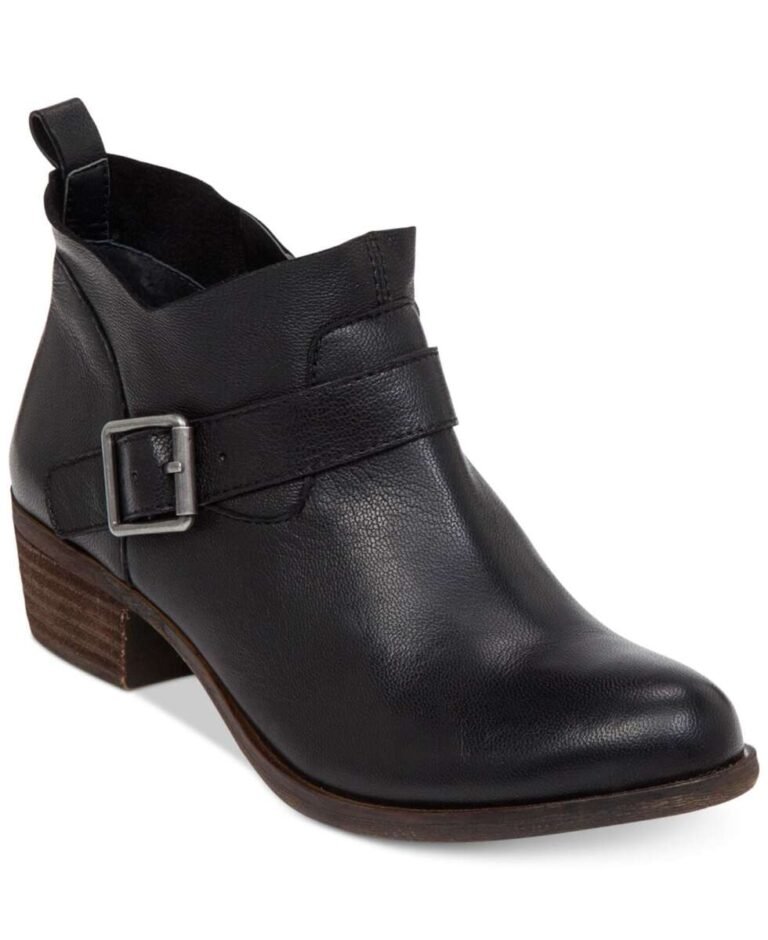
Lace-up boots are easy to wear with jeans, skirts, dresses, leggings, and work clothes. In the U.S., they suit many settings, from a casual coffee run in Seattle to a cold commute in Chicago or a night out in New York. The key is to balance the boot’s shape, height, color, and weight with the rest of your outfit.
For a simple look, wear ankle lace-up boots with straight-leg jeans and a tucked tee. For a dressier outfit, try slim boots with a midi dress and a jacket. When the weather is wet or cold, choose boots with a firm sole, good traction, and enough room for warm socks.
Choose the Right Lace-Up Boots for Your Outfit
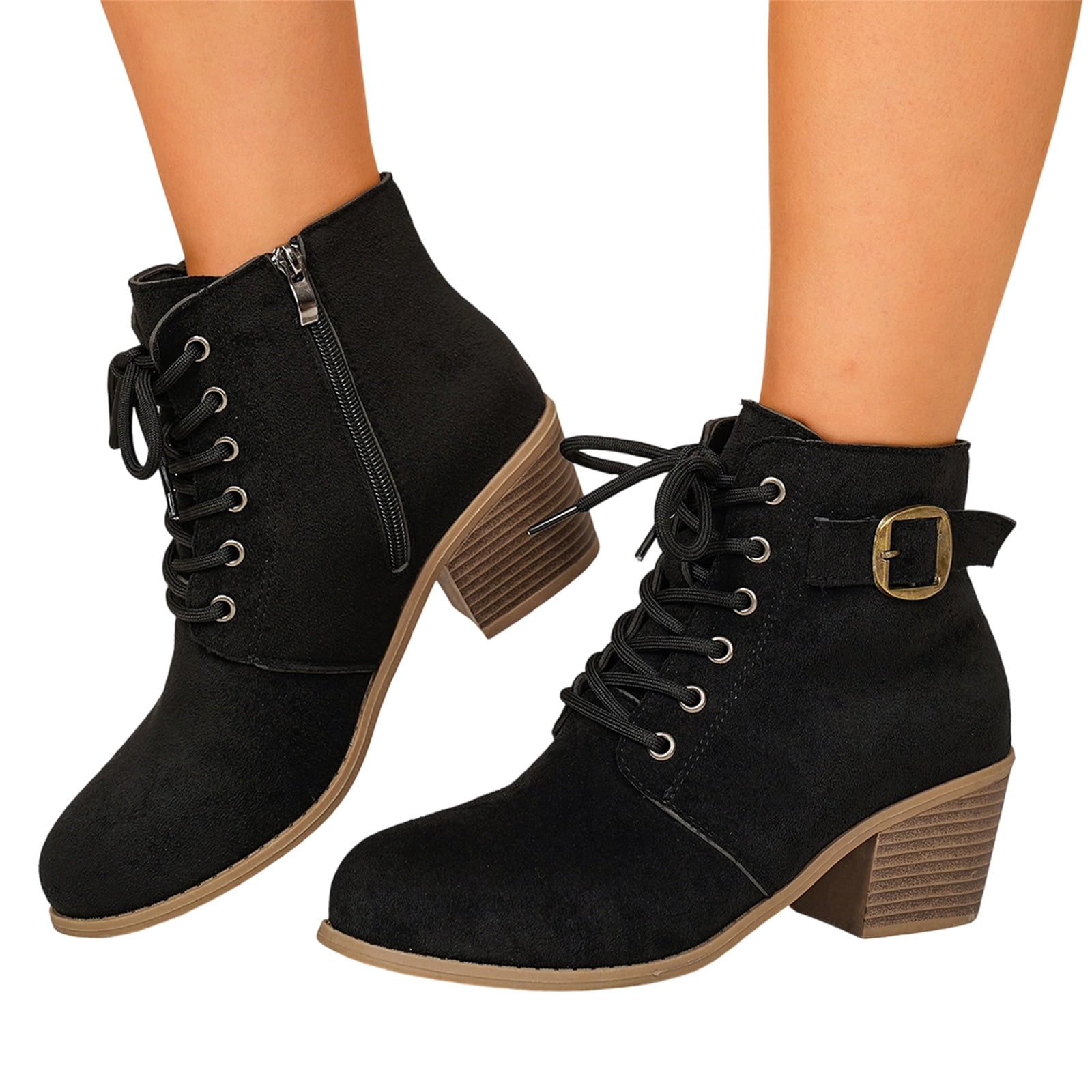
The best styling choice starts with the boot type. Lace-up boots come in several shapes, and each one creates a different look.
- Ankle lace-up boots: These end near the ankle. They work well with jeans, trousers, dresses, and skirts.
- Combat boots: These often have a thick sole, round toe, and sturdy laces. They add a bold, casual feel.
- Hiking-style boots: These have a rugged sole and outdoor details. They work best with casual outfits.
- Heeled lace-up boots: These add height and look more polished. They suit dresses, skirts, and tailored pants.
- Knee-high lace-up boots: These cover much of the lower leg. They work well with short skirts, sweater dresses, and slim pants.
- Platform lace-up boots: These have a thick sole and strong visual weight. Keep the rest of the outfit simple.
Boot height also changes how your legs look. Ankle boots leave more leg visible. Knee-high boots cover the leg and can create a long, clean line when worn with a short hem or matching tights.
The boot’s sole matters, too. A thin sole looks neat and light. A thick sole looks more casual and bold. Match the boot’s visual weight to your clothes. A heavy combat boot may overpower a very delicate dress, while a thin boot may look too light with a thick puffer coat.
Start with the boot color
Black lace-up boots are the easiest pair to style. Brown boots create a softer look and pair well with blue denim, cream, olive, tan, and rust. White or light-colored boots stand out, so use simple clothing to keep the outfit balanced.
You can also match your boots to another dark item, such as a belt, bag, coat, or tights. This creates a clear line through the outfit without making every item the same color.

How to Wear Lace-Up Boots With Jeans
Lace-up boots and jeans are one of the easiest combinations for women. The main choice is where the jeans end and how much of the boot you want to show.
Straight-leg jeans
Straight-leg jeans look good with ankle boots because they fall close to the boot without clinging to the calf. Let the hem rest just above the boot or make a small cuff.
Try this outfit:
- Black lace-up boots
- Medium-wash straight-leg jeans
- A white T-shirt
- A leather or denim jacket
This outfit works for errands, lunch, school, and casual offices with a relaxed dress code.
Skinny jeans
skinny jeans can fit into taller boots or sit over ankle boots. If the jeans bunch around the ankle, tuck them neatly into the boot. Avoid forcing thick denim into a narrow shaft. It can feel tight and create folds.
For a clean look, wear black skinny jeans with black boots. The matching colors form one long line from the hip to the foot.
Wide-leg and relaxed jeans
Wide-leg jeans look best when the boot has enough height or sole to support the shape of the pants. A chunky lace-up boot can show slightly beneath the hem. Keep the top fitted or tucked in to balance the wider leg.
Wide-leg jeans should not drag on the ground. The hem can cover part of the boot, but it should not touch wet sidewalks or catch under your heel.
Cropped jeans
Cropped jeans show more of the ankle and boot. This works well with ankle boots that have a slim or medium shaft. In cold U.S. weather, add thick socks or tights if the gap feels too exposed.
A small cuff can make the outfit look planned. Use a narrow cuff rather than several bulky folds.
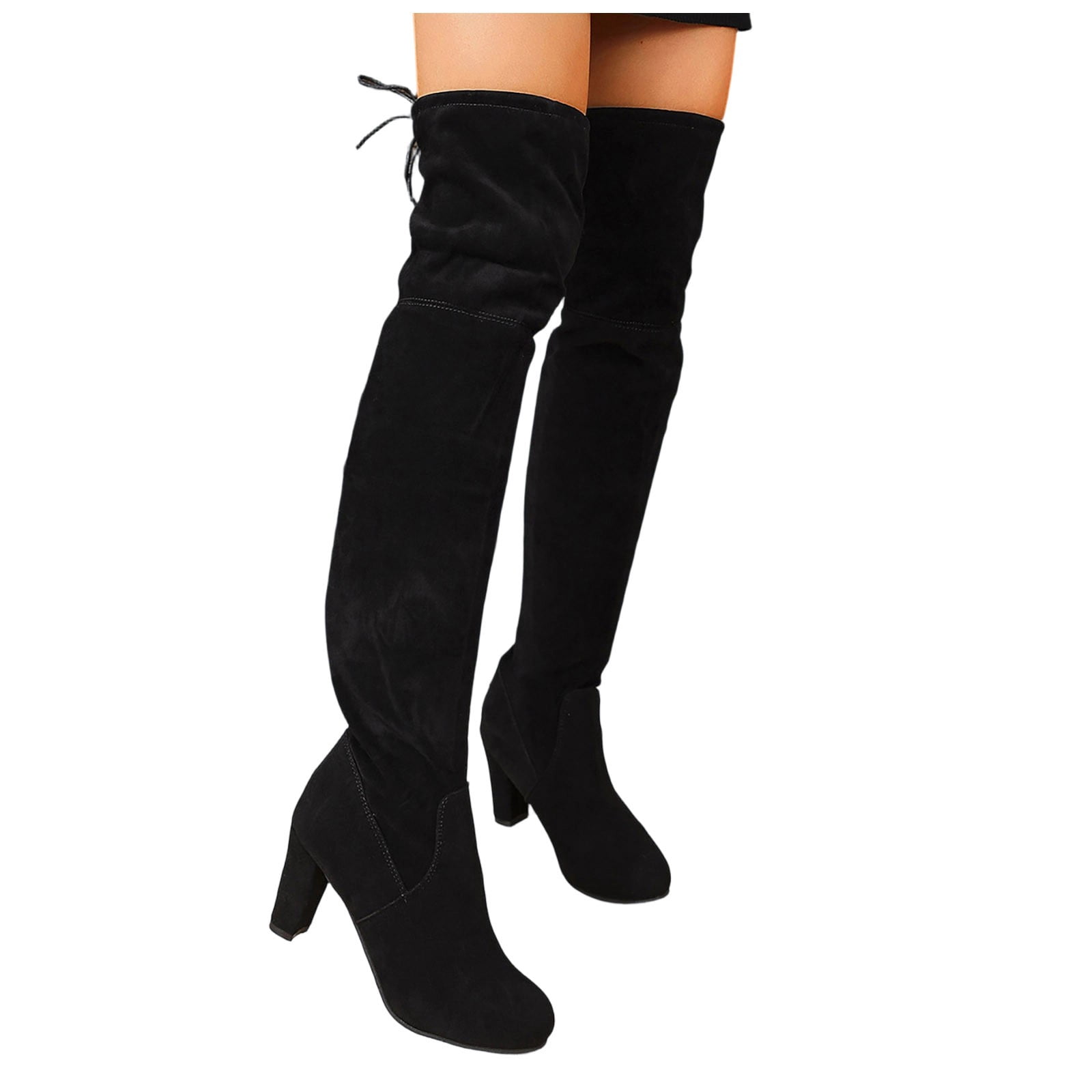
How to Wear Lace-Up Boots With Dresses and Skirts
Lace-up boots add structure to soft dresses and skirts. They can make a floral dress feel less formal or give a simple knit dress a stronger shape.
With a casual dress
Pair a short or midi casual dress with ankle or combat boots. Denim jackets, cardigans, and utility jackets work well with this outfit.
For example:
- A printed midi dress
- Black ankle lace-up boots
- A denim jacket
- A crossbody bag
The boots ground the dress. This is useful when the dress has a light fabric or a flowing shape.
With a sweater dress
A sweater dress and knee-high lace-up boots create a warm outfit for fall and winter. Choose boots that leave enough room for the dress hem to fall naturally.
Add opaque tights when the weather is cold. A long coat can make the outfit look more polished, while a quilted jacket gives it a more casual feel.
With a mini skirt
Lace-up boots work well with a mini skirt because they cover more of the foot and ankle. Add tights for warmth and coverage. Black tights with black boots make the legs look longer and keep the outfit simple.
Balance a short skirt with a higher neckline, an oversized sweater, or a longer coat. This helps the outfit feel stylish rather than overly bare.
With a midi skirt
A midi skirt can end near the top of an ankle boot. This may create a small gap of skin. The look works best when the gap feels intentional.
If you want a longer visual line, wear tights that are close in color to the boots. Heeled lace-up boots can also help the skirt look more streamlined.
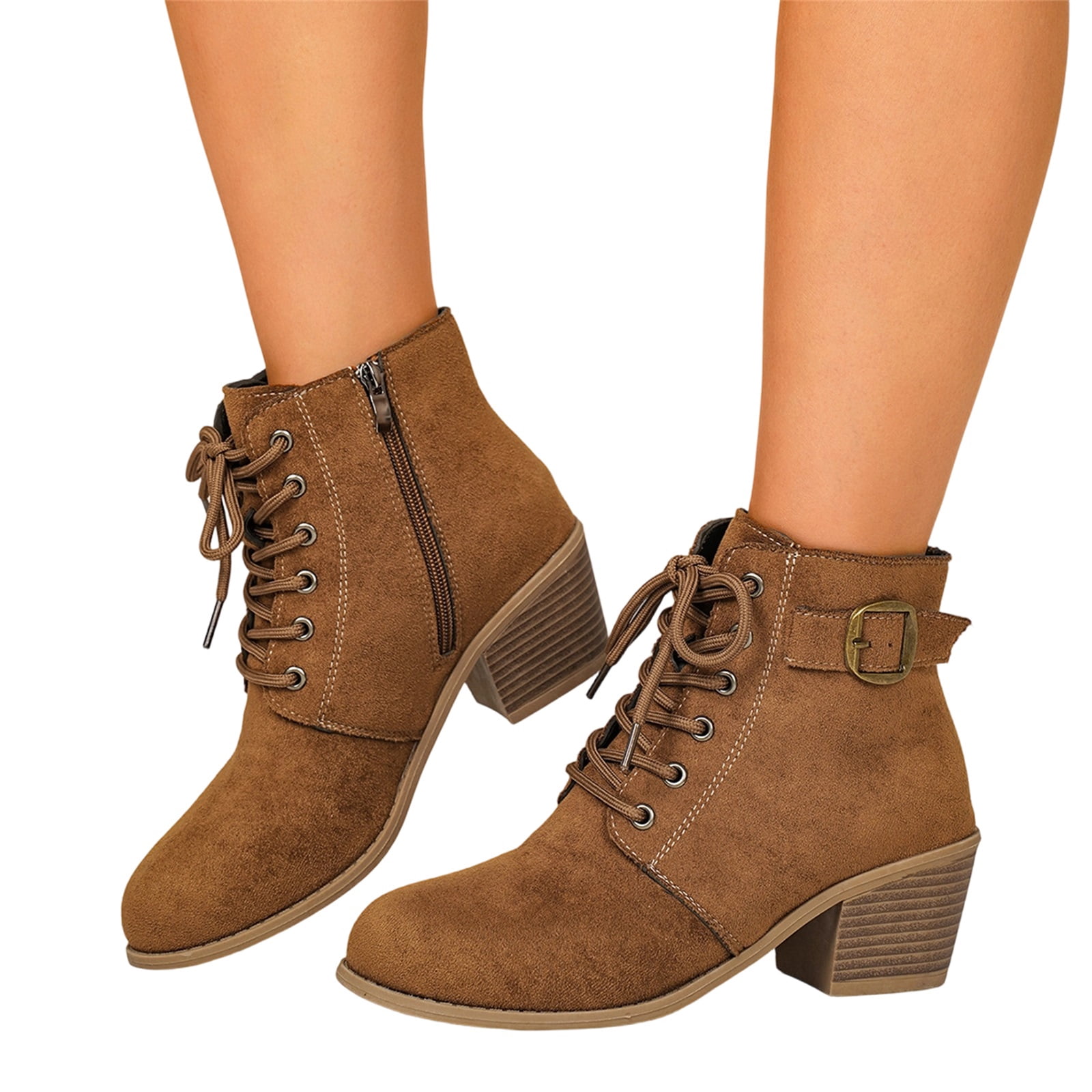
How to Wear Lace-Up Boots for Work
Lace-up boots can work in a business-casual wardrobe when the boot is neat and the outfit is tailored. Choose smooth leather or a clean, low-detail finish instead of a heavily worn or rugged style.
Good work outfit choices include:
- Slim lace-up boots with ankle trousers
- Heeled boots with a midi skirt
- Brown boots with navy or gray trousers
- Black boots with a blazer and dark jeans, where jeans are allowed
- Simple boots with a knit dress and structured coat
Keep the laces tidy. Hide loose loops under the tongue or tie them in a clean bow. Avoid boots with mud, scuffs, bright hardware, or very thick soles in formal offices.
The dress code sets the limit. A polished lace-up boot may suit a creative office, but a rugged combat boot may not suit a law office, bank, interview, or formal client meeting. When unsure, choose a slim boot with a low heel and a plain finish.

How to Wear Lace-Up Boots in Cold or Wet Weather
Lace-up boots can help in cold weather, but style should not replace basic foot protection. Check the boot’s construction before wearing it in snow, ice, or heavy rain.
Look for:
- A sole with clear tread
- A secure lace system
- A water-resistant or waterproof upper, if stated by the maker
- A lining suited to the temperature
- Enough room for your socks
- A stable heel and firm ankle support
Water-resistant and waterproof do not mean the same thing. Water-resistant materials may handle light moisture for a limited time. Waterproof designs offer stronger protection, but performance depends on seams, closures, wear, and care.
For icy sidewalks, traction matters more than appearance. Even boots with deep tread cannot remove every risk on ice. Walk slowly, use handrails, and avoid smooth soles when conditions are dangerous.
Do not wear wet boots for long periods if your feet feel cold, numb, painful, or damp. Change into dry socks and let the boots dry fully. Keep boots away from direct high heat, which can damage leather, glue, and some synthetic materials.
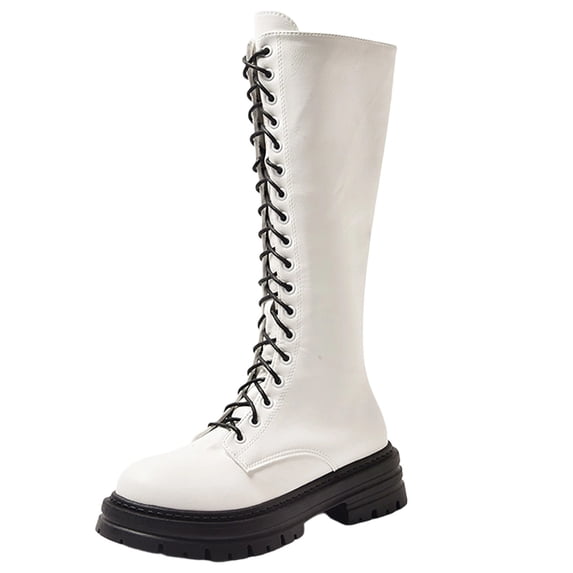
How to Lace Women’s Boots for Comfort and Style
The lacing method affects both fit and appearance. Start by loosening the laces from the top down before putting your foot into the boot. This helps the heel slide in without crushing the back of the boot.
Use even tension from the lower eyelets to the top. The forefoot should feel secure but not squeezed. The ankle should feel supported, and your heel should not lift sharply with each step.
If the boot feels tight across the toes, loosen the lower laces while keeping the upper laces firm. If your heel slips, keep the lower laces comfortable and tighten the section around the ankle. A “heel lock” or “lace lock” pattern may reduce movement, but it should never cause numbness or pain.
Signs that the boots fit well
A good fit usually allows:
- Your toes to move without hitting the front
- Your heel to stay mostly in place
- No sharp pressure on the ankle
- No pinching across the widest part of your foot
- Comfortable walking on both hard floors and stairs
Try boots late in the day if possible, since feet can swell during normal daily activity. Wear the socks you plan to use with the boots. Walk indoors before wearing them outside.
Break in boots in short sessions. Do not rely on severe pain as a normal part of the process. Some leather may soften, but a boot that is too short, too narrow, or badly shaped for your foot may never become comfortable.
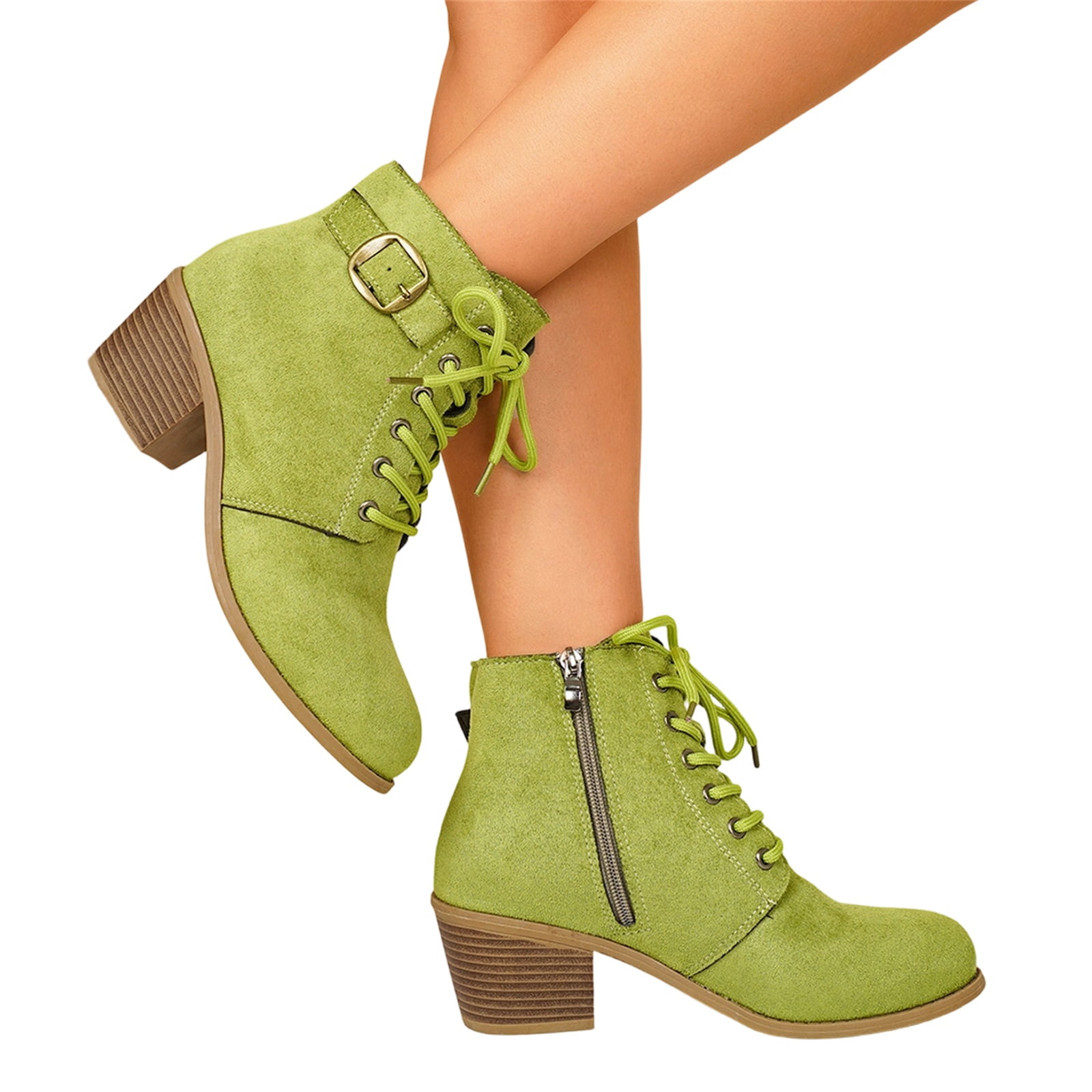
Outfit Formulas for Lace-Up Boots
Use these simple formulas when you want a quick outfit.
| Style goal | Outfit formula | Best boot type |
|---|---|---|
| Casual weekend | Straight-leg jeans + T-shirt + jacket | Ankle or combat boots |
| Soft and feminine | Midi dress + cardigan | Slim ankle boots |
| Cold-weather casual | Sweater dress + tights + coat | Knee-high boots |
| Relaxed street style | Wide-leg jeans + fitted top | Platform or chunky boots |
| Business casual | Trousers + blouse + blazer | Low-heel lace-up boots |
| Evening outfit | Skirt + fitted top + long coat | Heeled lace-up boots |
| Outdoor-inspired | Cargo pants + flannel shirt | Hiking-style boots |
The most useful rule is to contrast shapes. If the boots are thick, try a fitted top or a clean trouser. If the boots are slim, you can wear a fuller skirt or wide-leg pants.
Color can also guide the outfit. Black boots suit black, gray, denim, red, cream, and jewel tones. Brown boots suit earthy colors and blue denim. If the boots have many details, keep the clothing quiet so the outfit does not look crowded.

Common Mistakes to Avoid
A few small changes can make lace-up boots look and feel much better.
Wearing the wrong socks
Thin socks may slide down, while thick socks may make the boots too tight. Match sock thickness to the boot fit and the weather. Avoid seams that press against your toes.
Ignoring the boot’s proportion
A heavy boot with a very small, delicate outfit can look unbalanced. Add a jacket, belt, bag, or heavier fabric to connect the boot with the rest of the outfit.
Cuffing jeans too many times
A large cuff can create a bulky band above the boot. Use one neat cuff or leave the hem straight.
Tying laces too tightly
Tight laces can cause pressure, tingling, or numbness. Adjust each section of the lacing rather than pulling the whole boot tight.
Wearing new boots for a full day
New boots may rub before the materials soften. Wear them at home for short periods first. Stop if you develop a blister or sharp pain.
Choosing style over traction
Smooth soles may look sleek but perform poorly on wet or icy ground. If you expect harsh weather, choose a boot with a stable sole and visible tread.

Key Takeaways
- Wear ankle lace-up boots with straight-leg, skinny, cropped, or wide-leg jeans.
- Pair combat boots with casual dresses, skirts, and relaxed layers.
- Use sleek or heeled lace-up boots for work and dressier outfits.
- Match the boot’s visual weight to the clothing.
- Lace the boot for support, not maximum tightness.
- Check traction, fit, and weather protection before wearing boots outdoors.
- Break in new boots slowly and stop if they cause pain or numbness.
Frequently Asked Questions
Should women tuck jeans into lace-up boots?
You can tuck skinny or slim jeans into lace-up boots. Straight-leg jeans may sit over the boot or end just above it. Do not force thick or wide jeans into a narrow boot shaft.
Can you wear lace-up boots with leggings?
Yes. Leggings work well with ankle, combat, and knee-high lace-up boots. Add a longer sweater, tunic, jacket, or coat if you want more coverage through the hips.
Are lace-up boots appropriate for business casual?
Some are. Choose a clean leather or synthetic pair with a slim shape, low heel, and simple hardware. Rugged hiking boots and heavily distressed combat boots may be too casual for some workplaces.
What socks should you wear with lace-up boots?
Choose socks that match the boot’s fit and the weather. Wool or warm synthetic socks may help in cold conditions. Make sure they do not make the boot tight across your toes or ankle.
How can you make lace-up boots more comfortable?
Loosen the lower laces if the forefoot feels tight and secure the ankle section if your heel slips. Wear them for short periods at first. If the boot still causes pain, numbness, or repeated blisters, try a different size, width, or shape.
Conclusion
The easiest way to wear lace-up boots is to match their shape to your outfit and your setting. Start with jeans and a simple top, then try dresses, skirts, trousers, or leggings as you learn what feels balanced.
Fit comes first. The boots should support your foot without squeezing it, and the sole should suit the ground and weather. With clean lacing, the right socks, and balanced proportions, lace-up boots can work across casual, work, and cold-weather wardrobes in the United States.

Michael Smith is the Content Strategist behind The Style Hub, where fashion meets function. With a keen eye for trends and a passion for everyday style, he curates content that helps readers make smarter, more stylish choices—from the perfect pair of sneakers to must-have accessories. Michael specializes in breaking down fashion into practical, wearable insights, making style accessible for everyone. When he’s not researching the latest trends, he’s exploring how comfort, innovation, and timeless design come together in modern fashion.