The best dress boots for a U.S. wardrobe should fit well, match your usual dress code, suit your local weather, and offer enough comfort for how you spend the day. Start with the occasion, then compare boot shape, leather, sole, height, construction, and fit. A sleek leather Chelsea boot may suit an office in New York, while a weather-resistant lace-up boot may work better for winter commutes in Chicago or Seattle.
Do not choose dress boots by appearance alone. A stylish boot that pinches your toes, slips at the heel, or fails in wet weather will spend more time in your closet than on your feet.
This guide explains how to choose dress boots, how dress boot sizing works, which materials fit different needs, and what to check before you buy.

1. Start With the Dress Code
The right dress boot depends first on where you plan to wear it. A boot for a business suit needs a cleaner shape than a boot for dark jeans and a casual office.
Use this basic guide:
| Dress setting | Best boot styles | Details to look for |
|---|---|---|
| Formal business | Chelsea, dress chukka, sleek zip boot | Smooth leather, slim sole, dark brown or black |
| Business casual | Chelsea, cap-toe lace-up, refined chukka | Moderate shape, leather or suede, simple details |
| Smart casual | Chukka, service-inspired dress boot, brogue boot | More texture, thicker sole, brown or tan options |
| Evening wear | Slim Chelsea or plain-toe ankle boot | Minimal seams, polished leather, narrow profile |
| Outdoor-influenced casual wear | Rugged chukka or refined lace-up | Stronger sole, weather-ready leather, roomier shape |
For suits
Choose boots with a narrow or medium profile. Black leather works well with charcoal, black, and navy suits. Dark brown can pair with navy, gray, and many medium-blue suits.
Avoid thick lug soles, large contrast stitching, and bulky toes with formal tailoring. These features can make the boot look more like workwear than dresswear.
For business casual clothing
Business casual gives you more freedom. A brown Chelsea boot, suede chukka, or cap-toe lace-up boot can work with chinos, wool trousers, dark denim, and sweaters.
The boot should still look intentional. Keep the leather clean, the sole in good condition, and the color close to the formality of your clothes.
For jeans
Boots worn with jeans can have more visual weight. A medium-brown leather boot or a suede chukka often looks balanced with straight-leg or slim-straight jeans.
Very slim jeans may look awkward over a wide boot. Very loose jeans may cover the boot and hide its shape. The hem should rest neatly near the boot without pooling heavily.
2. Choose the Right Dress Boot Style
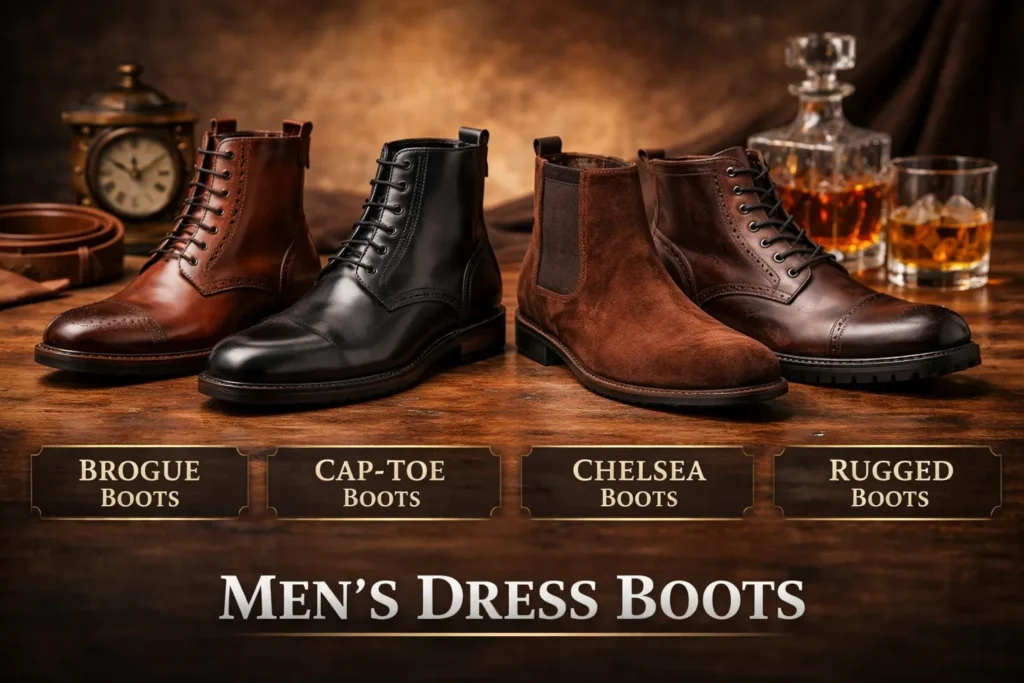
Each dress boot style creates a different look. Learn the main differences before you compare brands.
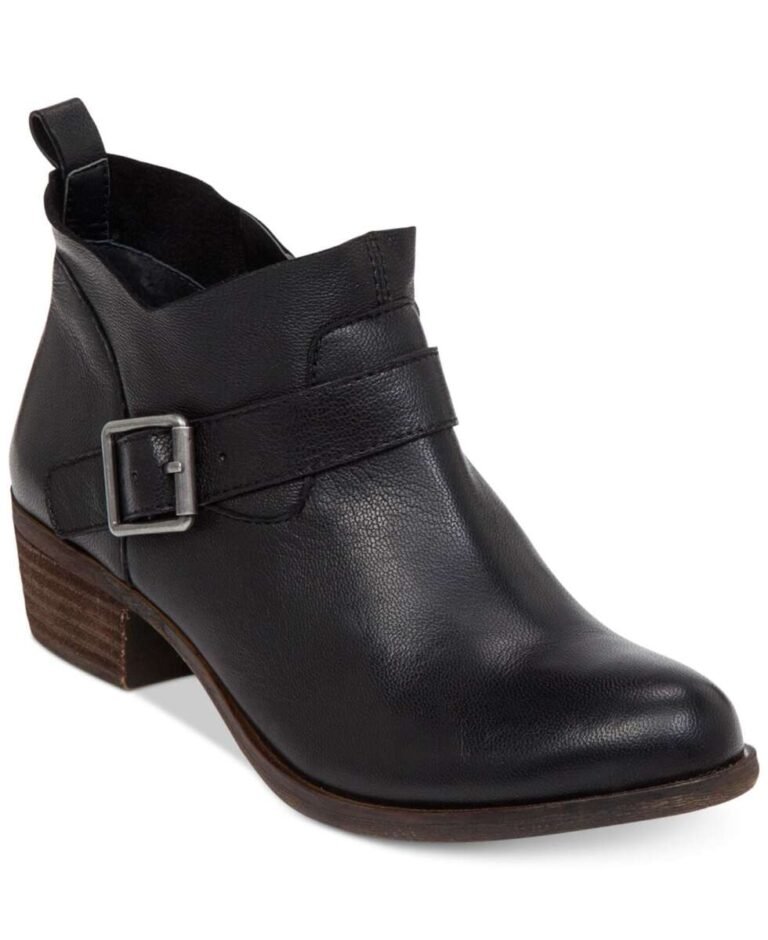
Chelsea boots
Chelsea boots have elastic side panels and usually a pull tab. They are easy to put on and have a clean, modern shape.
Choose Chelsea boots if you want:
- A simple boot for work and evenings
- A style that works with trousers and jeans
- A boot without laces
- A sleek, low-detail design
look for a close fit around the ankle. The elastic should hold the boot in place without cutting into your leg.
Chelsea boots can look formal in smooth black leather. Brown leather and suede make them more relaxed.
Chukka boots
Chukka boots usually have a short ankle shaft and two or three pairs of eyelets. They often have a plain toe and a simple shape.
Choose chukkas if you want:
- A flexible business-casual boot
- A lighter look than a heavy lace-up boot
- A style that works with chinos and denim
- A boot that can use leather or suede
Suede chukkas look relaxed but may need more care in wet or snowy parts of the United States. Smooth leather is easier to dress up and may be simpler to maintain.
Cap-toe lace-up boots
A cap-toe boot has a separate leather panel across the toe. This detail adds structure without making the boot too flashy.
Choose a cap-toe boot if you want:
- More support around the ankle
- A classic office-to-weekend style
- A boot that looks good with wool trousers
- A design with more visual detail than a plain toe
A cap-toe boot often feels more substantial than a Chelsea or chukka. Check the sole thickness so it does not overpower your trousers.
Plain-toe dress boots
Plain-toe boots have a clean front with little decoration. They can look formal or casual, depending on the leather, sole, and shape.
Choose a plain-toe boot if you want a quiet, versatile design. It can work well when your clothes already have strong patterns or textures.
Brogue boots
Brogue boots have decorative perforations and wingtip panels. They add character but are less formal than a plain-toe boot.
Brogue boots work best with:
- Tweed or textured clothing
- Chinos
- Dark denim
- Casual suits and sport coats
They may look too busy with a highly formal black suit.
3. Pick Leather, Suede, or a Synthetic Material
Material affects appearance, care, comfort, and weather use. No material is best for every buyer.
Smooth leather
Smooth leather is the most versatile choice for many dress boots. It can be polished, works across several dress codes, and usually handles light splashes better than untreated suede.
Choose smooth leather when you need one pair for:
- Office wear
- Business travel
- Formal dinners
- Mild rain
- Jeans and chinos
Leather still needs care. Water, salt, road grime, and heat can dry or stain it.
Suede
Suede has a soft surface and a casual, textured look. It works well with chinos, denim, knitwear, and relaxed tailoring.
Suede may not be the best first choice if you often walk through snow, heavy rain, or salted sidewalks. A water-repellent treatment may help, but it does not make suede waterproof.
Corrected-grain and coated leather
Some boots use leather with a heavily finished surface. This may create a uniform color and reduce visible marks at first.
Check the care instructions before buying. A coated surface may not respond to the same creams or conditioners used on untreated leather.
Synthetic leather
Synthetic materials can reduce cost and may offer easier cleaning. Their appearance and long-term wear vary widely by product.
If you choose synthetic boots, inspect the upper, lining, seams, and sole bond. A low price does not reveal how the boot will perform over time.
Full-grain leather and “genuine leather”
Terms on product pages can confuse shoppers. “Full-grain” describes leather that keeps its outer grain. “Genuine leather” is a broad term and does not, by itself, prove high quality.
Ask what the upper is made of and read the care instructions. A clear material description is more useful than a vague quality claim.
4. Match the Sole to Your Weather and Walking
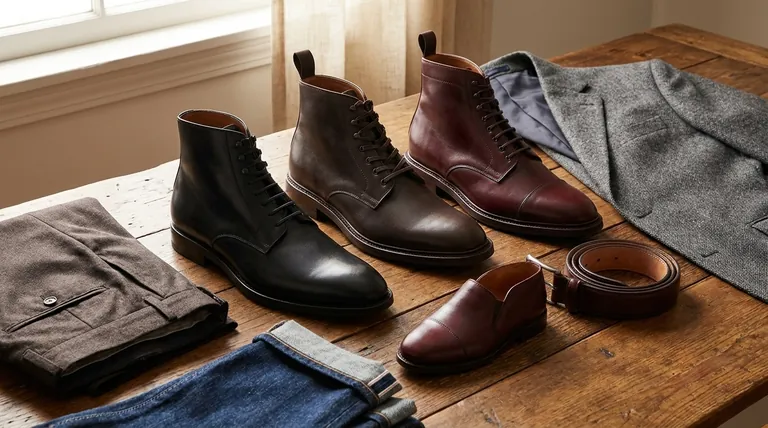
The sole changes both the look and function of a dress boot. It also affects traction, comfort, weight, and formality.
Leather soles
Leather soles have a traditional, refined appearance. They work well indoors and on dry pavement.
They may feel less secure on wet sidewalks, polished floors, ice, or snow. If you live in a city with harsh winters, consider a rubber section, rubber outsole, or a separate pair for bad weather.
Rubber soles
Rubber soles usually provide more traction and better resistance to wet ground than smooth leather soles. They can also add cushioning and durability for daily walking.
The trade-off is appearance. A thick rubber sole may look too casual with a formal suit.
Lug soles
Lug soles have deep tread. They are useful for uneven ground and poor weather, but they add a rugged look.
Choose them for casual outfits, outdoor commutes, and wet or snowy conditions. Avoid them when you need a very formal silhouette.
Combination soles
Some boots use leather with a rubber heel or rubber forepart. These can balance a dressier look with more practical grip.
Still, inspect the actual tread. A small rubber section may not provide enough traction for icy conditions.
Weather-specific advice for U.S. regions
- Northeast and Midwest: Consider rubber soles, treated leather, and enough room for thicker socks.
- Pacific Northwest: Look for water-resistant materials and soles with dependable traction.
- Southwest: Breathable leather and unlined designs may feel more comfortable in dry heat.
- Southeast: Humidity and rain make ventilation, drying time, and mildew prevention useful concerns.
- California and other mild climates: A versatile leather sole may work if your routine rarely includes heavy rain.
No dress boot should be treated as a substitute for a certified safety or work boot. If your job involves construction, electrical hazards, chemicals, or slippery industrial surfaces, follow your workplace footwear rules.

5. Understand Boot Construction
Construction affects flexibility, repair options, weight, and price. It does not guarantee that a boot will fit or last.
Cemented construction
In a cemented boot, the upper is glued to the sole. This method can create a lighter and more flexible boot.
Cemented boots may offer good value for occasional dress wear. Replacement options vary, so check whether the sole can be repaired or replaced.
Goodyear welt construction
A Goodyear welt uses a strip of material around the edge of the upper and sole. This construction is known for its traditional appearance and potential repairability.
A welt does not automatically make a boot waterproof, more comfortable, or better for every foot. It can also make a boot feel stiff at first.
Blake construction
Blake construction stitches the upper directly to the sole. It can produce a flexible boot with a slimmer profile.
The trade-off may be less separation between your foot and wet ground. Some Blake-stitched boots can be resoled, but the available process depends on the boot and repair shop.
Stitchdown construction
Stitchdown boots turn part of the upper outward and stitch it to the sole. This method often appears on boots designed for more support or weather use.
It can create a wider, sturdier shape. That shape may not suit a narrow trouser opening or a formal suit.
What construction should you choose?
Choose based on your use:
- For occasional office wear, prioritize fit and appearance over construction labels.
- For frequent walking, consider sole quality, cushioning, and repair options.
- For long-term ownership, ask whether the boot can be resoled and whether local repair shops can service it.
- For wet weather, inspect the full design rather than assuming a welt makes the boot waterproof.

6. Get the Fit Right
Fit matters more than brand, leather type, or construction. A good dress boot should feel secure without pressure.
Check the toe box
Your toes should have room to lie flat and move slightly. They should not touch the front of the boot while standing or walking.
Do not rely on a boot stretching enough to fix a cramped toe box. Leather may soften, but it will not reliably create the extra width or length your foot needs.
Check heel movement
A small amount of heel movement can occur in a new boot, especially with firm leather and a stiff sole. Excessive slipping may cause blisters and poor control.
Lace-up boots allow more adjustment than pull-on styles. Chelsea boots should grip the heel and ankle through their shape and elastic panels.
Check the instep
The instep is the top of the foot. Pressure there can indicate that the boot is too shallow or that the opening does not match your foot.
If the boot causes numbness, sharp pressure, or tingling, remove it. Do not treat pain as a normal break-in sign.
Check width
Length and width are separate measurements. A longer boot is not a reliable fix for a narrow boot.
Try different widths when available. If one foot is larger, fit the larger foot and use a thin insole or sock adjustment for the smaller foot.
Try boots at the right time
Feet often swell during the day. Try boots later in the day while wearing the socks you expect to use.
Walk on a clean indoor surface. Bend your feet, climb a few steps, and check whether your heel stays controlled.
Use the brand’s size chart
U.S. shoe sizes are not fully consistent between brands or styles. Measure both feet and compare the result with the maker’s chart.
If buying online, read the return policy before ordering. Check who pays return shipping and whether worn footwear can be returned.
7. Choose the Right Color and Shape
Color and shape determine how many outfits your boots can support.
Black boots
Black dress boots are the most formal option for many wardrobes. They pair well with black, charcoal, and dark gray clothing.
They can look severe with light khakis or pale denim. If you want one casual-to-formal pair, dark brown may offer more range.
Dark brown boots
Dark brown is a strong all-purpose color. It works with navy, blue denim, gray, olive, tan, and many brown tones.
Choose a deep espresso shade when you want a dressier appearance. Medium brown looks more relaxed.
Tan and lighter brown boots
Tan boots suit casual outfits, especially denim, chinos, and warm-weather clothing. They usually look less formal than black or dark brown.
They may also show stains more easily, so they require regular cleaning and conditioning.
Burgundy and other colors
Burgundy, oxblood, and other deep colors can add interest without becoming loud. They work best when the rest of the outfit stays simple.
Toe shape
A rounded or almond-shaped toe usually gives the most flexibility. Very pointed toes can look dated or feel narrow. Very square toes often appear more casual and may clash with slim tailoring.
Boot height
An ankle boot is usually easiest to wear with trousers. A taller boot may provide more warmth and support but can create bulk under a narrow trouser leg.

8. Compare Boots With a Simple Decision Table
Use this table to narrow your options before you shop.
| Your main need | Best starting point | Main trade-off |
|---|---|---|
| One versatile dress boot | Dark brown leather Chelsea or chukka | Less suited to severe weather |
| Formal office wear | Black smooth-leather Chelsea or lace-up | Shows scuffs and salt |
| Rainy commute | Treated leather with rubber sole | May look less formal |
| Snowy city streets | Weather-ready leather and traction-focused rubber sole | More bulk and casual style |
| Jeans and weekend wear | Brown leather or suede chukka | Less formal with a suit |
| Frequent walking | Cushioned rubber sole and supportive fit | Heavier appearance |
| Easy on-and-off use | Chelsea boot | Less adjustable than lace-up boots |
| Narrow trouser openings | Slim Chelsea or sleek lace-up | May provide less room for thick socks |
The best choice is the one that meets your main need without creating a problem you will face every week.
9. Inspect a Pair Before You Buy
Whether you shop at a U.S. store or order online, check the boot in this order.
- Read the materials. Confirm the upper, lining, insole, and outsole materials.
- Inspect the shape. Make sure the toe and ankle match your clothing.
- Check the sole. Look for an even bond, clean edges, and tread suited to your walking surface.
- Review the size chart. Do not assume your usual size will fit.
- Read care instructions. Make sure you can maintain the material.
- Check the return policy. Confirm the time limit and condition rules.
- Try both boots. Feet can differ in length and width.
- Walk indoors. Test comfort before marking or creasing the boots.
- Check the trousers. Bring the socks and pants you plan to wear.
- Compare total cost. Include shipping, taxes, care products, and possible repair costs.
Signs of a good fit
- Your toes can move without hitting the front.
- Your heel stays mostly stable.
- The boot does not pinch the widest part of your foot.
- The ankle feels supported but not squeezed.
- You can walk without changing your stride.
- The boot feels secure with your normal socks.
Signs to return the boots
- Numbness or sharp pressure
- Toes touching the front
- Persistent heel rubbing
- Creases pressing into the top of your foot
- A sole that feels unsafe on your normal walking surface
- A boot opening that cannot accommodate your ankle or instep
A boot that feels wrong after several indoor walks is unlikely to become right through normal break-in.

10. Care for Dress Boots Properly
Good care protects the material and helps the boots keep their shape.
Basic leather care
Remove dirt with a soft brush or cloth. Apply a suitable conditioner when the leather looks dry, then use polish when you want to restore color and shine.
Use a small amount first on a hidden area. Different finishes can react differently to products.
Dry wet boots slowly
If boots become wet, remove the insoles and let them dry at room temperature. Keep them away from radiators, hair dryers, fireplaces, and other strong heat sources.
Rapid heat can dry or distort leather.
Use shoe trees
Shoe trees can help absorb moisture and support the boot’s shape between wears. Unvarnished cedar is a common option, but the key benefit is proper shape support and drying time.
Rotate your boots
If possible, avoid wearing the same pair every day. Rotation gives the lining and footbed time to dry.
This matters most in humid climates or when you walk a lot.
Protect against salt
Road salt can leave pale marks on leather. Wipe it off promptly with a damp cloth, then allow the boot to dry naturally.
For heavy salt exposure or valuable footwear, follow the leather maker’s care instructions or use a qualified shoe repair professional.

Common Mistakes When Choosing Dress Boots
Buying for style without checking the toe box
A sleek shape is not useful if your toes are cramped. Comfort should be a buying requirement, not a bonus.
Assuming expensive means better
Price can reflect materials, labor, construction, branding, and retail costs. It does not prove that a boot suits your feet or your climate.
Treating “water-resistant” as “waterproof”
Water-resistant usually means the material can handle some moisture under stated conditions. It does not mean the boot can withstand deep water, prolonged rain, or standing snow.
Read the maker’s exact description.
Choosing a heavy sole for formal clothing
A thick lug sole may offer traction, but it can overpower a suit or refined trousers. Match the sole to the clothes and the ground where you walk.
Ignoring repair access
A repairable design has limited value if no local shop can service it or if repair costs exceed replacement cost. Check this before paying more for a construction feature.
Wearing suede in severe weather without a plan
Suede can work in many conditions, but snow, salt, and heavy rain require more care. Keep a second pair or choose a smoother, easier-care material for bad weather.
Using the wrong care product
Wax, oil, conditioner, and waterproofing sprays can change color and finish. Match the product to the material and test it first.
Frequently Asked Questions
Should dress boots be tight at first?
They should feel secure, but not painful. Leather may soften with wear, yet a boot should not pinch your toes, cause numbness, or create sharp pressure when new.
Are Chelsea boots formal enough for a suit?
A sleek Chelsea boot in black or dark brown smooth leather can work with many suits. Choose a slim profile, a clean toe, and a thin or moderate sole. Avoid rugged tread and heavy contrast details for formal settings.
Are leather-soled boots good for winter?
They can work in dry indoor and city settings, but smooth leather soles may offer limited traction on wet, icy, or snowy surfaces. A rubber sole or separate winter boot is often more practical in severe conditions.
Should dress boots match a belt?
Matching does not need to be exact. Aim for a similar color family and finish. For example, dark brown boots usually look better with a dark brown belt than with a black belt.
Can dress boots be worn with jeans?
Yes. Chukkas, Chelsea boots, and medium-weight lace-up boots all work with jeans. Match the boot’s visual weight to the denim and keep the hem neat.
How many pairs of dress boots do I need?
One versatile pair may be enough for occasional wear. A practical two-pair setup could include one dark, refined boot for work and one more weather-ready or casual boot for weekends and poor conditions.
Conclusion: Choose for Your Real Routine
To choose dress boots, start with your main setting, then check fit, material, sole, construction, color, and care needs. For the widest use, a dark brown leather boot with a moderate profile is often a strong starting point. Choose black for more formal clothing, suede for a softer casual look, and a rubber sole when your daily route includes wet or uneven ground.
Before you buy, walk in both boots, confirm the return policy, and make sure the pair suits your climate. The right dress boot should look polished, feel stable, and fit the life you actually lead.

Michael Smith is the Content Strategist behind The Style Hub, where fashion meets function. With a keen eye for trends and a passion for everyday style, he curates content that helps readers make smarter, more stylish choices—from the perfect pair of sneakers to must-have accessories. Michael specializes in breaking down fashion into practical, wearable insights, making style accessible for everyone. When he’s not researching the latest trends, he’s exploring how comfort, innovation, and timeless design come together in modern fashion.