Best Basketball Shoes For Severs Disease: Top Picks
The best basketball shoes for Sever’s disease pair soft cushioning, stable support, and a roomy fit for growing feet.
A young player may love basketball but dread the sharp heel pain that comes after practice. Sever’s disease, also called calcaneal apophysitis, can make running and jumping feel like stepping on a stone. I looked for footwear and heel aids that reduce harsh impact without slowing a player down. The options below cannot cure Sever’s disease, but they may improve comfort during activity. Always ask a pediatrician, sports doctor, or physical therapist before a child plays through heel pain.
Tuli’s Heavy Duty Heel Cups
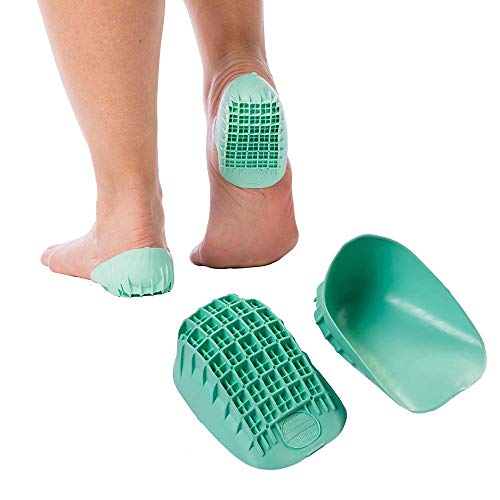
Tuli’s Heavy Duty Heel Cups are not basketball shoes, but they can be a useful add-on for a child with heel pain. The cups sit under the heel and use a flexible design to spread pressure as the foot lands. That matters during basketball, where repeated jumps and hard stops can load the heel again and again. I like this option for players who need extra cushioning inside a properly fitted shoe.
The small size is aimed at younger or smaller feet, so measuring first is important. These heel cups work best when they stay flat and secure inside the shoe. They may feel strange for the first few practices, but most players can adjust if the fit is correct. They should support a broader care plan, not replace rest, stretching, or medical advice.
Pros:
- Helps soften heel impact during running and jumping
- Heavy-duty design suits active young athletes
- Can fit inside many basketball shoes
- Useful for children with recurring heel soreness
- Comes as a two-pair set for more than one shoe
- Small size may suit younger players
Cons:
- It is an insert, not a complete basketball shoe
- Small size may not fit larger youth feet
- Incorrect placement can cause shifting or discomfort
Nike Giannis Immortality 4

The Nike Giannis Immortality 4 is a full basketball shoe for players who need quick movement and a secure feel. Its court-focused build gives young athletes support during cuts, drives, and defensive slides. The cushioning can help make repeated contact with the court feel less harsh than a flat casual shoe. Still, no shoe can treat Sever’s disease by itself.
I would pay close attention to fit before choosing this model for a sore heel. The heel should feel held without pressure, while the toes need room to move. A snug upper can help control the foot, but a tight shoe may make an already sensitive foot feel worse. Pairing this shoe with a suitable heel cup may work well for some players, but a clinician should guide that choice.
Pros:
- Built specifically for basketball movement
- Offers a secure feel during cuts and stops
- Good choice for guards and active all-around players
- Sporty design encourages regular court use
- Works with many youth basketball socks
- May provide more structure than casual sneakers
Cons:
- Not designed as a medical treatment for Sever’s disease
- Fit can vary by foot shape
- May need an extra heel insert for more cushioning
Asoleo RecoverX Youth Sleeve, Medium

The Asoleo RecoverX Youth sleeve is made for children who need light compression around the heel and ankle. It can add a close, supportive layer under a basketball shoe without taking up as much space as a thick brace. The medium size may fit a middle range of youth feet, but parents should use the maker’s measurements before ordering. A correct fit matters more than choosing a size by age alone.
This sleeve may help a player feel more supported during warm-ups, practice, or daily activity. It does not replace a break from sport when pain is strong. I also would not use it to hide worsening symptoms so a child can keep playing. Think of it as one small part of a plan that may include activity changes, calf stretches, ice after exercise, and professional care.
Pros:
- Lightweight design fits under many basketball shoes
- Provides compression around the heel and ankle
- Made for youth athletes
- Useful for basketball, soccer, and running
- Less bulky than many rigid braces
- Black color hides dirt during frequent use
Cons:
- Medium may not fit every child
- Compression may feel tight for sensitive users
- Does not provide the cushioning of a heel cup
Asoleo RecoverX Youth Sleeve, Large
The large Asoleo RecoverX sleeve gives older or bigger youth players the same basic sleeve style in a roomier size. It covers the heel and ankle with a close layer that can fit beneath a basketball shoe. This may appeal to players who dislike bulky support products. The sleeve can also be easier to pack in a sports bag than a hard brace.
Size remains the key issue here. A sleeve that slides down cannot give steady support, while one that feels too tight may distract the player. I suggest trying it at home before a full game and checking the skin after use. For a child with swelling, numbness, unusual pain, or pain that lasts, stop using it and seek medical advice.
Pros:
- Roomier option for larger youth feet and ankles
- Fits beneath many basketball shoes
- Light and easy to carry
- May give a stable, supported feeling
- Useful across several running sports
- Simple design makes it easy to put on
Cons:
- Large may be loose on smaller players
- Does not add much impact protection by itself
- May feel warm during long practices
Asoleo RecoverX Youth Sleeve, Small
The small Asoleo RecoverX sleeve targets younger children and smaller ankles. Its slim shape can sit under a court shoe with less crowding than a larger support product. That is helpful because cramped footwear can add pressure to the heel and toes. I see this as a practical choice for parents who want light compression without a stiff brace.
Small does not mean universal, so measure the child’s ankle and compare it with the product guide. The sleeve should feel secure, not painful or restrictive. It may help during light activity, yet a child should not use it to push through sharp heel pain. I recommend a short trial at home before using it during basketball practice.
Pros:
- Designed for smaller youth ankles
- Low-profile shape may fit easily under shoes
- Provides light heel and ankle compression
- Useful for several youth sports
- Easy to store and carry
- May suit children who dislike bulky gear
Cons:
- Small size can become tight as a child grows
- Offers limited shock absorption
- May roll if the fit is not correct
Adidas Own The Game 3.0

The Adidas Own The Game 3.0 is a court shoe with a familiar shape and a broad appeal. It gives players a stable base for basic drills, shooting, and recreational games. The cushioned sole may feel more comfortable than thin everyday sneakers during repeated court contact. For many families, it is a practical starting point when searching for the best basketball shoes for Sever’s disease.
I would inspect the heel counter, footbed, and outsole before the first game. A firm heel hold can reduce unwanted movement, while a flexible forefoot helps natural steps. The shoe must still match the child’s foot, since cushioning alone cannot fix a poor fit. If the player has a wide foot or uses an insert, leave enough space without sizing up so much that the heel slips.
Pros:
- Designed for basketball and indoor court use
- Stable base supports common court movements
- Cushioning may improve everyday comfort
- Versatile choice for practice and casual games
- Classic style works for many young players
- Can pair with a properly fitted heel cup
Cons:
- May feel less agile than lighter guard shoes
- Standard fit may not suit every wide foot
- Requires careful sizing for growing feet
Tuli’s Classic and Heavy Duty Heel Cups

This Tuli’s combo pack gives shoppers two heel-cup styles to compare. The classic option may suit everyday comfort, while the heavy-duty version may appeal to active players who want a more substantial feel. I like the flexibility because children with Sever’s disease can have different comfort needs from day to day. The cups can fit inside basketball shoes, training shoes, or daily sneakers when space allows.
Heel cups work best when the shoe already fits well and has a firm base. They should not lift the heel so much that the ankle feels unstable or the shoe becomes tight. I would introduce one pair during short periods, then check for rubbing or pressure. This product is useful for testing support levels, but it remains an aid rather than a cure.
Pros:
- Includes classic and heavy-duty heel cup options
- Lets families compare cushioning preferences
- May reduce the feel of hard heel strikes
- Can work in several types of footwear
- Helpful for active children with changing comfort needs
- Compact and easy to move between shoes
Cons:
- Needs enough shoe space to fit correctly
- May shift in shoes with a loose interior
- Some children may dislike the raised heel feeling
KD18 Chain Reaction Basketball Shoes

The KD18 Chain Reaction is a performance basketball shoe for players who want court grip and a locked-in feel. Its basketball-focused shape suits fast transitions, jump shots, and quick changes of direction. A structured upper can help the foot feel secure when the player moves hard from side to side. The shoe may suit an older youth player who has outgrown softer, casual sneakers.
Performance shoes can feel firm at first, so I would not make this a child’s first choice during a painful flare. The heel must sit comfortably, and the toes should not touch the front when the player stops. Parents should also check whether the shoe leaves room for a recommended insert. When the fit is right, this model can provide a solid court platform, but it cannot remove the need for sensible training limits.
Pros:
- Built for demanding basketball movement
- Secure construction may limit excess foot motion
- Suitable for players who value court response
- Works well for practice and competitive play
- Offers a performance-focused look
- May provide a stable base for jumps and cuts
Cons:
- May feel firm for children with active heel pain
- Performance fit may not suit wide feet
- Usually costs more than basic youth court shoes
My Recommendation
For most families, I would begin with a well-fitting basketball shoe and add support only if a health professional approves it. The Adidas Own The Game 3.0 is the most balanced shoe choice in this group for practice and casual play. The Nike Giannis Immortality 4 is better for a quick, active guard, while the KD18 suits a more serious player who wants a performance feel. Tuli’s heel cups are the most useful add-on when impact feels harsh.
The Asoleo RecoverX sleeves are best for children who prefer light compression and a low-profile layer. Choose the size by measurement, not by age or guesswork. A sore heel needs patience, much like a sprained rhythm in a song; forcing it rarely makes the next note better. If pain changes a child’s walk, lasts after rest, or returns each time they play, arrange an evaluation before buying more gear.
| Best for | Why |
|---|---|
| Balanced daily court use | Adidas Own The Game 3.0 offers a practical mix of structure, cushioning, and value. |
| Extra heel impact support | Tuli’s Heavy Duty or Combo Heel Cups can add cushioning inside a suitable shoe. |
| Light youth heel and ankle compression | Asoleo RecoverX provides a slim option in small, medium, and large sizes. |
How Sever’s Disease Changes Basketball Shoe Needs
Sever’s disease often affects active children during growth. The heel bone grows, and the Achilles tendon and calf can pull on the growth plate near the heel. Running and jumping may then cause pain at the back or bottom of the heel. The condition is usually temporary, but pain can still limit school, sport, sleep, and play.
That is why the best basketball shoes for Sever’s disease should do more than look good. They should hold the heel steady, soften repeated impact, and fit the full foot without tight spots. A good shoe acts like a quiet shock absorber. It does not erase every force, but it can make each landing feel less abrupt.
Parents should also remember that “support” is not one single feature. Some children need more cushioning, while others need a stable heel counter or better room in the toe box. A shoe that feels great to one player may irritate another. I use comfort, fit, movement, and symptoms as the main tests rather than relying on brand names alone.
What I Look For in the Best Basketball Shoes for Sever’s Disease
Soft but controlled cushioning
Basketball shoes need enough cushioning to soften jumps and sprints. Too little cushioning can make the heel feel every hard landing. Yet a very soft shoe may feel wobbly during cuts. I prefer cushioning that feels smooth and controlled, not like standing on a sponge.
A secure heel counter
The heel counter is the part around the rear of the shoe. It should hold the heel without digging into it. When the heel slides up and down, the foot may experience more rubbing and unwanted motion. A secure rear fit also helps the player feel steady during defense.
A stable, flat platform
A stable sole can help the player push off with more confidence. The shoe should not twist too easily in the middle. At the same time, the front should bend near the toes so the child can move in a natural way. Stability and flexibility must work together.
Enough room for growing feet
Children need space in front of the toes, but too much space creates heel slip. I look for a thumb-width of room, a secure lace fit, and no pressure across the widest part of the foot. Parents should check both feet because one foot may be slightly larger.
Good traction for indoor courts
Slipping can make a player land in an awkward way. A rubber outsole with a clear court pattern can help with starts, stops, and side steps. Keep in mind that dust can reduce grip. Wiping the outsole and keeping the shoes for indoor use can help maintain traction.
How to Fit Basketball Shoes for a Child With Heel Pain
Start by measuring the feet at the end of the day. Feet can swell slightly after activity, so this gives a more realistic fit. Have the child wear the socks used for basketball. Measure both feet and choose the size that fits the larger foot.
Next, ask the child to stand, walk, and bend the knees. Watch for heel lift, toe crowding, and signs of discomfort. The heel should stay in place when the player walks. The toes should wiggle freely, and the shoe should not press on the sore spot.
Do not assume that a larger shoe is safer. A shoe that is too long can make the foot slide forward during stops. That movement may increase rubbing and reduce control. A proper lace pattern can help, but laces cannot fix a shoe that has the wrong shape.
Try the shoe at home before practice. Begin with 10 to 15 minutes of easy movement. Ask how the heel feels during the activity and several hours later. Delayed pain is still useful information, so do not judge a shoe only by how it feels in the first five minutes.
Heel Cups, Sleeves, and Basketball Shoes: What Is the Difference?
A heel cup sits under the heel. It mainly changes how the heel meets the inside of the shoe and may soften contact. It can be useful when the shoe has enough room. A cup that makes the shoe too tight may cause a new problem.
A sleeve wraps around the heel and ankle. It usually offers light compression and a close fit. It takes up less space than many braces, but it may not add much cushioning. Some children prefer the gentle pressure, while others find it warm or tight.
A basketball shoe provides the base. It controls traction, fit, support, and court movement. The shoe should always come first. Inserts and sleeves should complement it, not force a poor shoe to work.
For this reason, I would not rank a heel cup or sleeve as a replacement for the best basketball shoes for Sever’s disease. They solve different problems. A shoe handles court movement, while a support product may address comfort around the heel.
Common Buying Mistakes to Avoid
Choosing by appearance alone
A bright color can make a child excited, but style cannot protect a sore heel. Check the fit, sole, heel hold, and comfort first. A plain shoe that feels good is better than a stylish shoe that causes pain.
Buying a shoe that is too large
Many parents buy extra room because children grow fast. A little room helps, but too much can cause sliding. Buy a fit that works now, with modest toe space, rather than a size meant for months in the future.
Ignoring pain after practice
A child may say the shoe feels fine during the game. Pain may appear later that night or the next morning. Track symptoms after activity. If pain increases, reduce activity and ask a qualified professional for advice.
Using inserts without checking shoe volume
An insert raises the foot inside the shoe. This can press the top of the foot or make the heel slip. Remove the original insole only if the product and shoe allow it. Check the fit again after adding any heel cup.
Expecting a shoe to cure the condition
Sever’s disease is linked to growth and repeated stress. Shoes may improve comfort, but they do not heal the growth plate on demand. Rest and a gradual return to sport often matter as much as footwear.
How to Use New Shoes Safely During Basketball
Do not wear a new pair for a full tournament on day one. Start with short walks and easy drills. Let the child report pressure, rubbing, or heel pain. Increase use only when the foot stays comfortable during and after activity.
Keep a second pair of shoes for daily use if possible. Basketball shoes can become damp and lose their shape when worn all day. A dry, clean shoe often feels better and lasts longer. Replace shoes when the tread is smooth, the midsole feels flat, or the upper no longer holds the foot.
Warm-ups should be gentle. Calf and hamstring stretches may be part of a care plan, but a child should never force a painful stretch. Ask a physical therapist to show the right moves if pain keeps returning. Stop play when the child limps or changes running form.
Care Tips That Help Basketball Shoes Last
Use the shoes on the court, not as everyday walking shoes. This protects the outsole and keeps dirt from reducing traction. After practice, loosen the laces and let the shoes air out. Avoid high heat, which can damage glue and foam.
Check the inside each week. Look for a folded insole, a worn heel lining, or a sharp seam. These small issues can cause rubbing near a tender heel. Wash removable insoles as directed and let them dry fully before use.
Ask the child how the shoes feel as they grow. A shoe may become too short before it looks worn out. Pressing the toes against the front is a clear sign to measure again. Growing feet can change quickly during a sports season.
When to Seek Medical Advice
Heel pain deserves attention when it affects normal walking or daily life. Contact a health professional if pain is severe, lasts despite rest, or keeps returning. Swelling, redness, numbness, weakness, fever, or pain after a clear injury also needs prompt care.
A child should not play through a limp. Limping changes movement and may place stress on the knees, hips, or other foot. A sports clinician can check the heel, calf, ankle, and foot mechanics. They can also advise on a safe return to basketball.
Medical advice matters because not all heel pain comes from Sever’s disease. A proper exam can rule out other causes. The best basketball shoes for Sever’s disease should support a professional care plan, not delay one.
FAQs Of best basketball shoes for severs disease
Can basketball shoes cure Sever’s disease?
No. Basketball shoes may improve comfort and reduce harsh impact, but they cannot cure the condition. Rest, activity changes, stretching, and medical guidance may also be needed.
What makes the best basketball shoes for Sever’s disease?
Look for a secure heel, steady cushioning, good traction, and enough toe room. The shoe should feel comfortable during movement and after practice. Fit matters more than the logo.
Are heel cups safe for children?
Heel cups may be useful for some children when they fit correctly. They should not cause pressure, numbness, or more pain. Ask a clinician if the child has strong or ongoing symptoms.
Should a child wear an ankle sleeve during a game?
A sleeve may be worn if it fits well and a health professional agrees. Test it during short activity first. Remove it if the child feels tingling, tightness, rubbing, or increased pain.
How long can a child with Sever’s disease play basketball?
There is no single safe time for every child. Activity should stay below the level that causes pain or limping. A medical professional can help set limits and plan a gradual return.
Final Verdict: Which Should You Buy?
For balanced court use, I would choose the Adidas Own The Game 3.0, with Tuli’s Heel Cups as an optional aid. Nike suits quick players, while KD18 fits serious athletes who want a firm performance feel.
The best basketball shoes for Sever’s disease should fit well, cushion landings, and support a careful return to play. Comfort is the real test, not a brand name.
Michael Smith is the Content Strategist behind The Style Hub, where fashion meets function. With a keen eye for trends and a passion for everyday style, he curates content that helps readers make smarter, more stylish choices—from the perfect pair of sneakers to must-have accessories. Michael specializes in breaking down fashion into practical, wearable insights, making style accessible for everyone. When he’s not researching the latest trends, he’s exploring how comfort, innovation, and timeless design come together in modern fashion.