Best Running Shoes For Gravel: Top Trail Picks
The best running shoes for gravel combine steady grip, cushioned comfort, and a secure fit for loose, uneven paths.
A gravel run can start smoothly and turn rough in minutes. Small stones shift underfoot, dust slips into open mesh, and hard-packed roads can feel harsh after several miles. I look for shoes that keep the foot stable without feeling heavy or stiff. The picks below cover trail runners, road-to-gravel shoes, and supportive daily trainers, so you can match the shoe to your route, pace, and foot needs.
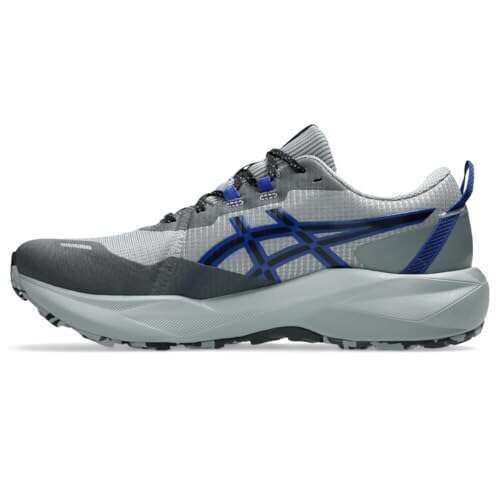
ASICS Gel-Venture 11 for Gravel

The ASICS Gel-Venture 11 is a strong starting point for runners who split time between gravel roads, park paths, and light trails. Its trail-minded build gives the shoe more confidence on loose ground than a basic road trainer. The cushioning feels friendly for easy miles, while the upper aims to hold the foot in place when the path turns uneven. It is a practical choice for runners who want one shoe for many outdoor routes.
I like this model for beginners because it does not demand a major change in running style. The outsole is suited to dry gravel and packed dirt, though deep mud is beyond its ideal range. The toe area offers useful protection from small stones and trail debris. For daily training, walking, and casual outdoor use, the Gel-Venture 11 offers a sensible mix of price, comfort, and grip.
Pros:
- Trail-focused outsole helps on loose gravel
- Comfortable cushioning for easy daily runs
- Protective design suits mixed outdoor paths
- Versatile enough for walking and light trails
- Stable feel for new gravel runners
- Good value for a multi-use running shoe
Cons:
- May feel less quick than a light road shoe
- Not designed for deep mud or technical rock
- Some runners may want more room in the toe box
My Recommendation
I recommend the Gel-Venture 11 to beginners, walkers, and runners who need a dependable shoe for gravel roads and easy trails. It is especially useful if your route changes from pavement to dirt without warning. Among the best running shoes for gravel, this model stands out for broad use and simple comfort. It also makes a smart first trail shoe for runners who do not yet need an aggressive mountain outsole.
New Balance 410 V9 Trail Shoe

The New Balance 410 V9 is built for runners who want a simple trail shoe with an easy, familiar feel. It works well on gravel paths, dirt roads, and maintained trails. The design gives the foot a useful layer of protection from rough ground without adding the bulk of a heavy hiking shoe. Its casual look also makes it easy to wear before and after a run.
On gravel, the 410 V9 is most at home on dry and moderately firm surfaces. Its tread can help reduce slipping when small stones roll beneath the foot. I would choose it for steady runs rather than fast technical descents. Runners who value comfort, a relaxed pace, and a versatile shoe will find this model easy to understand and easy to use.
Pros:
- Good match for gravel paths and dirt roads
- Trail build adds protection over basic sneakers
- Comfortable option for walking and daily wear
- Stable platform for relaxed running
- Useful choice for new trail runners
- Often offers strong value at its price
Cons:
- Limited choice for highly technical trails
- May not feel very fast during hard workouts
- Breathability can vary in hot, dusty weather
My Recommendation
The New Balance 410 V9 suits casual runners, commuters, and anyone who wants a gravel shoe that can also handle daily errands. I would choose it for packed paths and low-key weekend miles. It belongs on a shortlist of the best running shoes for gravel because it keeps the design useful and uncomplicated. If you need a race shoe or strong wet-rock grip, look at a more specialized model.
Under Armour Charged Assert 10

The Under Armour Charged Assert 10 is mainly a road-running shoe, but it can work well on smooth gravel and hard-packed paths. Its appeal comes from a light, flexible feel that does not slow the stride. The cushioning is suited to daily runs, short workouts, and walks. The wide version shown here may also help runners who need extra space across the forefoot.
I would not treat this as a deep-trail shoe. It is better for crushed limestone paths, firm park loops, and gravel roads with few sharp turns. The outsole gives useful contact on dry ground, while the light upper helps keep the shoe from feeling warm or clumsy. For runners who spend most of their time on pavement but add gravel once or twice a week, this is a sensible hybrid.
Pros:
- Light feel supports an easy, quick stride
- Comfortable for road-to-gravel routes
- Wide option helps some broader feet
- Flexible design suits daily training
- Works well for walking and gym use
- Less bulky than many trail shoes
Cons:
- Not the best choice for loose, deep gravel
- Less trail protection than a dedicated trail model
- May lack enough grip for steep, wet ground
My Recommendation
I recommend the Charged Assert 10 for road runners who occasionally use a smooth gravel path. It is also a good fit for shoppers who want one light shoe for running, walking, and gym sessions. In the wide version, it can be appealing to runners who dislike tight forefoot pressure. It is one of the best running shoes for gravel only when your gravel route remains firm and fairly predictable.
Saucony Excursion TR14 Trail Shoe

The Saucony Excursion TR14 is a dependable trail shoe for runners who want more ground contact than a standard road trainer. Its outsole is made for dirt and uneven paths, making it a natural match for gravel routes. The shoe has a steady, protective feel that works well during relaxed runs. It also provides a useful bridge for runners moving from sidewalks to basic trails.
This model is not built around a soft, springy race feel. Instead, it focuses on durability and control. That makes it helpful when the gravel is loose or the route includes small dips and turns. I see the TR14 as a workhorse for park trails, farm roads, and weekend outings where reliable footing matters more than speed.
Pros:
- Trail outsole gives useful grip on loose paths
- Protective upper helps block small trail debris
- Stable feel supports uneven gravel surfaces
- Good shoe for beginner trail runners
- Durable build suits frequent outdoor use
- Works for hiking and active daily wear
Cons:
- Can feel firm to runners who prefer soft foam
- Not ideal for technical mountain terrain
- May feel warm during very hot summer runs
My Recommendation
The Excursion TR14 is best for runners who want a sturdy, budget-friendly trail shoe for gravel and dirt. I would choose it for regular outdoor miles, especially when the route has loose stones and mild rough spots. It is a strong contender among the best running shoes for gravel for practical trail use. Its value is highest for runners who prefer a stable work shoe over a soft, fast trainer.
ASICS Women’s Gel-Venture 11

The women’s ASICS Gel-Venture 11 brings the same trail-friendly idea to runners who want a comfortable shoe for gravel, dirt, and park paths. It offers a cushioned ride for easy miles and a supportive shape for uneven ground. The outsole is more useful on gravel than the flat rubber found on many casual running shoes. This makes it a practical choice for daily outdoor exercise.
I like the Gel-Venture line because it feels approachable. A runner does not need advanced trail skills to enjoy it. The shoe can help soften the impact of hard-packed paths while its tread helps keep the stride calm over small stones. It is best for dry or mildly damp routes, not deep mud, slick rock, or severe mountain terrain.
Pros:
- Trail-ready design suits gravel and light trails
- Cushioning supports comfortable daily miles
- Helpful protection from stones and rough ground
- Stable feel inspires confidence on uneven paths
- Good option for walking and casual outdoor use
- Friendly choice for new trail runners
Cons:
- May feel too traditional for runners seeking high energy return
- Not made for technical or muddy trails
- Fit may require careful sizing for narrow feet
My Recommendation
I recommend the women’s Gel-Venture 11 for walkers, new trail runners, and anyone who wants a comfortable gravel shoe with a familiar feel. It works especially well for mixed routes around parks and neighborhoods. For shoppers comparing the best running shoes for gravel, this model offers a balanced mix of grip, cushioning, and protection. Check the size chart and allow room for normal foot swelling on longer runs.
ASICS Gel-Kayano 32 for Stable Gravel Runs

The ASICS Gel-Kayano 32 is a stability road shoe that can serve runners on firm gravel. It is designed for runners who want guided support and a cushioned ride during daily training. The shoe feels more structured than a neutral trainer, which can help when fatigue makes the foot roll or lose control. It is a premium choice for comfort-focused runners.
This is not a trail shoe, so I would keep it on smooth gravel, crushed stone, and hard-packed paths. Its main strength is support, not aggressive traction. If your route includes long miles on mixed pavement and gravel, the Kayano 32 can offer a smooth transition between surfaces. Runners with support needs should still select a shoe based on a professional fit assessment, not color or brand alone.
Pros:
- Strong stability for runners who prefer guided support
- Plush cushioning suits longer easy runs
- Comfortable transition from pavement to firm gravel
- Structured build helps reduce a loose foot feel
- Premium daily trainer for regular mileage
- Suitable for walking and standing for long periods
Cons:
- Less grip than a dedicated gravel trail shoe
- Heavier and less nimble than lighter trainers
- May feel too structured for neutral runners
My Recommendation
The Gel-Kayano 32 is best for runners who need stability and spend most of their time on roads or firm gravel. It is a smart pick for long, easy training days when comfort matters most. I would not choose it for loose slopes or technical trails. Still, it earns a place among the best running shoes for gravel when support and cushioning rank above deep-trail traction.
Saucony Excursion TR16 Trail Shoe

The Saucony Excursion TR16 is a capable option for gravel runners who want a trail shoe with a balanced, everyday feel. It gives more protection and grip than a standard road model while staying practical for normal training. The design suits gravel roads, woodland paths, and maintained trails. It feels like a useful tool rather than a specialized race product.
The TR16 is a good fit for runners who value control on loose ground. It can help the foot feel planted when the path changes from firm dirt to scattered stones. I would use it for steady runs, brisk walks, and light hikes. It is less suited to very technical terrain, but that is not a weakness for most gravel-road users.
Pros:
- Balanced trail design works well on gravel
- Useful tread for dry loose surfaces
- Protective upper supports outdoor training
- Stable platform helps on uneven paths
- Versatile enough for walking and light hiking
- Good everyday value for trail use
Cons:
- Not as soft as a plush road trainer
- Limited choice for deep mud and slick rock
- Can feel less lively during speed sessions
My Recommendation
I recommend the Excursion TR16 to runners who want one dependable shoe for gravel, dirt, and easy trails. It is especially useful for weekend runners who do not need a racing fit. In my view, it is one of the best running shoes for gravel because it balances grip, protection, and cost. It should remain widely available, but sizes and colors can change quickly on retail sites.
ASICS GT-2000 14 for Gravel Support

The ASICS GT-2000 14 is another stability trainer that works best on roads and firm gravel. It is aimed at runners who want a controlled, supportive ride without the bulk of a trail shoe. The cushioning is suited to regular training and moderate distances. Its structured feel may help runners who become less stable as a run gets longer.
I would pick the GT-2000 14 for routes with mostly pavement and short gravel sections. It can make that surface change feel smooth, but it does not replace a shoe with deep trail lugs. The upper should hold the foot securely when the path bends at a normal pace. For runners who need support and want a lighter daily trainer, this model deserves attention.
Pros:
- Supportive design suits stability-focused runners
- Comfortable for daily road and gravel training
- More agile than many heavy trail shoes
- Good choice for mixed-surface commutes
- Structured fit helps maintain foot control
- Useful for walking and easy workouts
Cons:
- Outsole is not made for deep loose gravel
- May feel firm or restrictive to neutral runners
- Less protection from sharp trail debris
My Recommendation
The GT-2000 14 is best for runners who want stability on a route that mixes asphalt with compact gravel. I would choose it over a trail shoe when road miles make up most of the workout. It is among the best running shoes for gravel for support-minded road runners, not for rugged trail explorers. Confirm your foot type and preferred level of guidance before ordering.
ASICS NOVABLAST 5 Running Shoe

The ASICS NOVABLAST 5 is for runners who want a lively, cushioned road shoe on smooth gravel. It is built for a springy feel and daily miles, rather than rough trail work. The responsive platform can make steady runs feel more energetic. On a firm gravel road, that light and bouncy ride can be a real pleasure.
The trade-off is clear: the NOVABLAST 5 favors speed and comfort over trail protection. I would use it on dry crushed stone, compact paths, and roads with only mild surface changes. It is not the shoe I would choose for loose hills, sharp rocks, or wet roots. For road runners who want the best running shoes for gravel without giving up a fast feel, it is a compelling option.
Pros:
- Lively cushioning supports an energetic stride
- Comfortable for daily runs and longer efforts
- Light feel works well on firm gravel
- Good road-to-path versatility
- More fun during tempo and steady workouts
- Modern design suits runners who dislike bulky shoes
Cons:
- Limited traction on loose or wet gravel
- Less toe and side protection than trail shoes
- May feel unstable on sharp turns or uneven slopes
My Recommendation
I recommend the NOVABLAST 5 to experienced road runners who use smooth gravel as part of a normal training route. It is also a good choice for runners who want a soft, energetic feel instead of a heavy trail build. Among the best running shoes for gravel, it is the speed-focused pick. Keep it on firm surfaces, and it can deliver a smooth, enjoyable ride.
ASICS Gel-Excite 11 Daily Trainer

The ASICS Gel-Excite 11 is a neutral daily trainer for runners who want simple comfort at a reasonable price. It can handle sidewalks, tracks, treadmills, and firm gravel paths. The cushioning helps make routine miles feel less harsh. Its road-first design also keeps the shoe fairly easy to wear for everyday activity.
I would use the Gel-Excite 11 on compact gravel with a smooth surface. It is not made for rough trail conditions, but it can serve well on a clean park loop or crushed-stone path. The neutral platform suits runners who do not need strong stability features. If your route stays moderate and you want an affordable shoe for many forms of exercise, this model is worth a look.
Pros:
- Comfortable neutral ride for daily training
- Works on pavement and smooth gravel
- Useful for running, walking, and gym sessions
- Simple design suits new runners
- Usually offers good everyday value
- Less bulky than many trail shoes
Cons:
- Not suitable for loose or technical gravel
- Less trail protection around the foot
- Neutral support may not suit every runner
My Recommendation
The Gel-Excite 11 is best for new runners and active users who stay on paved roads or firm gravel. I would choose it for a basic fitness plan, walking routine, or mixed neighborhood loop. It can be one of the best running shoes for gravel when low cost and easy comfort matter more than aggressive grip. For rough routes, step up to the Gel-Venture or Excursion series.
How I Choose the Best Running Shoes for Gravel
Gravel is not one single surface. A flat crushed-limestone road is very different from a steep path covered with loose river stone. I first look at the route, then the shoe. This simple order prevents a common mistake: buying a highly cushioned road shoe for a trail that needs grip, or buying a stiff trail shoe for a route that is almost all pavement.
Outsole Grip
Grip is the first feature I check for loose ground. A gravel shoe should have rubber that contacts the surface well and tread that helps clear small stones. Deep lugs are useful when the path is soft, but they are not always needed on firm crushed rock. Very deep lugs may even feel awkward on pavement.
For most gravel roads, moderate trail tread offers the best balance. It helps with push-off and braking without making the shoe feel like a hiking boot. Look for a pattern that covers the main contact zones. Worn rubber can reduce grip, so replace shoes when the tread becomes smooth or uneven.
Cushioning and Ground Feel
Gravel can feel hard because the surface does not give much underfoot. Cushioning helps reduce harsh impact during long runs. Yet too much soft foam can make the foot feel less stable on shifting stones. I prefer a shoe that feels cushioned but not wobbly.
Runners who enjoy fast road miles may prefer the NOVABLAST 5. Runners who want a more protected trail feel may prefer the Gel-Venture 11 or Excursion TR16. The right amount of cushioning depends on body size, pace, distance, and personal comfort. No foam can replace a good fit.
Upper Protection
Gravel sends dust and small stones toward the foot. A secure upper can reduce movement inside the shoe and help block some debris. A reinforced toe area is useful when a rock lands in front of the foot. The upper should still bend naturally at the toes.
Breathable mesh feels good in warm weather, but very open mesh can allow more dust inside. A close fit around the heel matters too. If the heel lifts, the foot may slide forward on a downhill section. Try shoes with the socks you plan to run in, and leave a small space in front of the longest toe.
Fit and Sizing
Feet often swell during a long run. A shoe that feels perfect at breakfast may feel tight after an hour. I usually suggest trying running shoes later in the day. The heel should feel secure, while the toes should move without touching the front.
Do not assume every brand fits the same. ASICS, New Balance, Saucony, and Under Armour may use different shapes and widths. Read the size chart and review width choices. A wide shoe can solve pressure across the forefoot, but it should not let the heel slide.
Stability Needs
Some runners feel better in a neutral shoe. Others prefer guidance that helps the foot remain controlled when tired. The Gel-Kayano 32 and GT-2000 14 are stability-focused choices in this group. The trail models offer stability through their broader, more protective designs.
Pronation is not automatically a problem. Many runners move naturally without pain. If you have repeated pain, unusual wear, or trouble keeping your stride steady, consult a qualified health professional or running specialist. A shoe cannot diagnose an injury.
Weight and Flexibility
A light shoe can feel quick on smooth gravel. A heavier shoe may offer more protection and a steadier ride. I see this as a simple trade-off. The Charged Assert 10 and NOVABLAST 5 favor a lighter road feel, while the trail models favor protection and control.
Flexibility also changes the experience. A flexible shoe can feel natural on flat ground. A firmer shoe may feel more stable on rough surfaces. For most recreational gravel runners, moderate flexibility gives the best daily balance.
Gravel Running Shoe Care Tips
Small stones can work their way into the tread. After each run, tap the soles together and brush away grit. If the shoes become muddy, let the mud dry before brushing it off. Avoid putting running shoes in a hot dryer, since heat can weaken adhesives and change the fit.
Rotate shoes when possible. A second pair lets the foam recover and gives the upper time to dry. If you run through wet grass or rain, remove the insoles and air the shoes in a cool place. Clean socks also help reduce odor and friction.
Track mileage, but do not follow one number without checking the shoe. A light runner on soft paths may get a different life span than a heavier runner on sharp gravel. Replace the shoe when cushioning feels flat, the upper loses its hold, or the outsole wears unevenly. Pain that appears after a shoe loses support is a clear warning.
Best Uses at a Glance
| Best for | Why |
|---|---|
| Loose gravel and light trails | Trail models such as the Gel-Venture 11 and Excursion TR16 offer better tread and protection. |
| Road and firm-gravel mixes | The NOVABLAST 5, GT-2000 14, and Gel-Kayano 32 transition smoothly between hard surfaces. |
| Budget daily training | The New Balance 410 V9 and Gel-Excite 11 offer simple comfort for regular use. |
Common Mistakes When Buying Gravel Running Shoes
The most common mistake is choosing by color or discount alone. A shoe may look great online but fail if the tread does not match the route. Read the outsole details and think about where you run most often. The best running shoes for gravel are the shoes that fit your actual surface.
Another mistake is buying too small. Gravel runs often last longer than expected, and swollen feet need room. Tight toes can lead to hot spots, black toenails, or numbness. A secure heel and relaxed toes are more important than a close, racing-style fit for most users.
Some shoppers also expect a trail shoe to solve every problem. Even good tread can slide on wet rock or hard ice. Slow down on turns, shorten your steps on loose slopes, and watch the surface ahead. Good technique works with the shoe, not against it.
FAQs Of best running shoes for gravel
Do I need trail shoes for gravel running?
Not always. Firm gravel can work well with a road shoe that has a stable platform and durable rubber. Loose gravel, steep paths, and mixed trails usually call for a trail shoe with more tread and protection.
What are the best running shoes for gravel beginners?
The ASICS Gel-Venture 11, New Balance 410 V9, and Saucony Excursion TR16 are good starting points. They offer a steady feel and more ground protection than basic road sneakers.
Can I use road running shoes on gravel?
Yes, if the gravel is smooth and firm. Road shoes work less well on deep, loose, wet, or sharply sloped gravel. Check your footing and switch to trail shoes when the surface becomes unstable.
Should gravel running shoes feel tight?
The heel should feel secure, but the toes need room to spread and move. Leave a small gap in front of the longest toe. Try shoes with your running socks, preferably later in the day.
How often should I replace gravel running shoes?
Replace them when the tread becomes smooth, the midsole feels flat, or the upper no longer holds the foot well. Mileage varies by runner, surface, body weight, and care. Pain or a sudden change in comfort is also a useful warning.
Final Verdict: Which Should You Buy?
For most users, I would buy the ASICS Gel-Venture 11. It gives the best mix of gravel grip, comfort, protection, and value. The NOVABLAST 5 suits firm gravel and faster road miles, while the Excursion TR16 is a strong trail-focused alternative.
The best running shoes for gravel should match your route and fit first. Choose steady traction for loose stone, support for long mixed runs, and light cushioning for firm paths.

Michael Smith is the Content Strategist behind The Style Hub, where fashion meets function. With a keen eye for trends and a passion for everyday style, he curates content that helps readers make smarter, more stylish choices—from the perfect pair of sneakers to must-have accessories. Michael specializes in breaking down fashion into practical, wearable insights, making style accessible for everyone. When he’s not researching the latest trends, he’s exploring how comfort, innovation, and timeless design come together in modern fashion.