Best Hiit Shoes For Plantar Fasciitis: Top Picks
The best HIIT shoes for plantar fasciitis combine firm arch support, soft cushioning, grip, and a stable fit.
You finish a short HIIT class, but your first steps feel like tiny needles under your heel. That sharp pain can make jumping, lunges, and fast footwork feel risky. The right shoes cannot cure plantar fasciitis, but they can reduce strain and make training more comfortable. I looked for shoes with useful support, shock control, roomy fits, and workout-friendly traction. The options below suit different needs, from budget walking shoes to trusted running models. Always ease into training, and stop if pain gets worse.
BiNHam Women’s Arch Support Workout Shoes
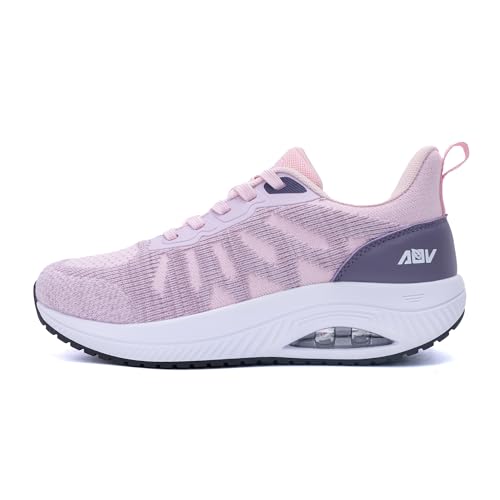
The BiNHam women’s walking shoe is a practical pick for light HIIT, gym sessions, and daily movement. Its built-in arch support aims to spread pressure across the foot instead of letting the heel take every impact. The athletic shape also feels more suitable for exercise than a soft house slipper or flat casual sneaker. For people who need a budget-friendly start, this model offers several helpful features in one simple design.
I would use this shoe for low-impact circuits, strength work, cycling, and brisk walking. It may also work for controlled step-ups and short intervals on a stable floor. The flexible upper can help the foot move without feeling trapped, while the cushioned base may soften routine heel contact. As with any plantar fasciitis shoe, check the fit during short sessions before wearing it for a full class.
Pros:
- Built-in arch support for daily comfort
- Useful cushioning for walking and gym work
- Sporty design suits workouts and errands
- Light feel may reduce foot fatigue
- Good budget option for beginners
- Pink and purple color adds visible style
Cons:
- May not provide enough stability for hard lateral cuts
- Walking-shoe design may feel less responsive for intense jumping
- Arch shape may not suit every foot
My Recommendation
I recommend the BiNHam for shoppers who want affordable arch support for walking, machine workouts, and low-impact HIIT. It is especially useful for someone moving away from flat shoes but not yet ready to spend more on a premium trainer. The best HIIT shoes for plantar fasciitis should match the workout, and this model fits gentle to moderate sessions well. It offers good everyday value, but users with severe pain should consider a medical assessment and a custom insole if needed.
Brooks Anthem 8 Neutral Running Shoe

The Brooks Anthem 8 is the most versatile option in this group for people who want a recognized running-shoe platform. It uses a neutral design, so it does not force extra correction under the arch. That matters for users whose feet already track well but still need cushioning and a smooth ride. The shoe’s running background makes it a stronger candidate for mixed cardio, treadmill work, and moderate HIIT than many basic walking shoes.
I like the Anthem 8 for workouts that combine short runs, body-weight moves, and floor exercises. Its cushioned construction can help soften repeated heel strikes, although it is not a medical device or a treatment for plantar fasciitis. The upper should feel secure without making the forefoot feel overly rigid. Choose the correct width and leave enough room for your toes to spread during movement.
Pros:
- Trusted running-shoe design
- Balanced cushioning for cardio sessions
- Neutral platform suits many naturally aligned feet
- Good choice for treadmill intervals
- Lightweight feel supports quick transitions
- Works well for exercise and daily walking
Cons:
- Neutral support may not suit severe overpronation
- Running shape may feel less stable during wide lateral moves
- Usually costs more than basic walking sneakers
My Recommendation
The Brooks Anthem 8 is best for an active user who wants one shoe for walking, running, and moderate HIIT. I would choose it over a flat sneaker when heel impact is a concern but strong corrective support is not required. Among the best HIIT shoes for plantar fasciitis, this is a strong all-rounder for neutral-foot runners. Its value is highest when you need a versatile shoe rather than a narrow, single-purpose plantar fasciitis model.
RomenSi Women’s Arch Support Sneakers

The RomenSi plantar fasciitis sneaker focuses on arch support and easy daily comfort. It is shaped for walking, so it may appeal to anyone who needs relief during long periods on hard floors. The support can help limit the collapsed feeling that some people notice in thin, flat shoes. Its casual athletic look also makes it easy to wear before and after a workout.
This is a better match for low-impact HIIT than for intense plyometric training. I would use it for resistance circuits, rowing, stationary bike work, and walking warm-ups. The shoe may provide a more supportive base than a fashion sneaker, but users should still test traction before fast side steps. If the arch feels too high or creates a new sore spot, stop using it and reassess the fit.
Pros:
- Arch-support focus suits heel-pain concerns
- Comfortable option for long daily walks
- Helpful for gym machines and strength training
- Easy athletic style works beyond the gym
- May reduce the harsh feel of hard floors
- Available in a useful women’s size range
Cons:
- Not designed specifically for high-impact jumping
- Support may feel firm to people used to soft shoes
- Side-to-side stability may vary by foot shape
My Recommendation
I recommend the RomenSi to users who spend many hours walking and want a supportive shoe for gentle workouts. It is a sensible choice for beginners, older exercisers, and anyone returning to activity after heel pain. The best HIIT shoes for plantar fasciitis should not be judged by softness alone, and this model shows why structure matters. It offers appealing value for everyday wear, but advanced athletes may want a more specialized training shoe.
Women’s Orthotic Walking Support Sneakers

This orthotic walking sneaker is built around the needs of people who want extra support under the foot. The design may help create a more even base during standing, walking, and simple gym drills. That can feel reassuring when plantar fascia pain makes every step feel cautious. It is also a reasonable option for people who prefer a supportive insole over a very soft, unstable cushion.
I would pair this shoe with low-impact routines such as seated strength work, controlled squats, elliptical training, and walking. It may not be my first choice for sprint intervals or repeated box jumps, where a dedicated cross-trainer often gives better control. Still, the supportive feel can help a beginner build confidence. Wear it around the house first, then try a short workout if the heel and arch remain comfortable.
Pros:
- Orthotic-style support for daily use
- Useful option for standing and walking jobs
- May feel stable during controlled exercises
- Supportive design can reduce flat-shoe strain
- Good fit for gentle fitness routines
- Practical choice for people who value foot structure
Cons:
- May feel too firm for users who prefer plush cushioning
- Less suited to fast multidirectional drills
- Fit should be checked carefully around the arch
My Recommendation
This sneaker is best for users who want orthotic-style support for walking, standing, and light training. It can be a smart bridge between a casual shoe and a full athletic trainer. In my view, the best HIIT shoes for plantar fasciitis should support the foot without creating pressure points, so take time to test the arch height. Its overall value is strong for daily comfort, though high-impact athletes may need more lateral structure.
Brooks Anthem 8 Spellbound Running Shoe

This second Brooks Anthem 8 listing offers the same useful neutral running platform in a different color and size option. That makes it worth considering for shoppers who already know they like a neutral shoe. It is designed to feel smooth during forward motion, which helps with walking, easy runs, and treadmill intervals. The moderate profile also gives it a more athletic feel than many orthotic walking shoes.
For plantar fasciitis, I look for a shoe that limits harsh impact while keeping the foot secure. The Anthem 8 can meet that need during moderate cardio, but it should not be treated as a cure. I would use it for short HIIT blocks with careful warm-ups and fewer repeated jumps at first. If your feet roll inward heavily or you need a wide base for lateral training, a different model may suit you better.
Pros:
- Versatile running and gym design
- Smooth feel for forward movement
- Cushioning helps with everyday heel contact
- Neutral setup avoids unnecessary correction
- Good option for walking and easy jogging
- Attractive colorway adds personal style
Cons:
- Neutral support is not ideal for every gait
- May not provide enough lockdown for aggressive cuts
- Running shoes can feel less grounded during heavy lifting
My Recommendation
I recommend this Anthem 8 option for a neutral-foot user who wants a dependable shoe for cardio and daily life. It is especially useful if you alternate between walking, jogging, and simple interval workouts. The best HIIT shoes for plantar fasciitis need a smooth ride and sensible cushioning, and this Brooks model delivers both for the right foot type. Check Amazon for current size and color availability before ordering.
FitVille Extra Wide Walking Shoes

The FitVille Extra Wide walking shoe stands out for people who need more room across the foot. A cramped toe box can increase pressure and make an already sore foot feel trapped. Extra width gives the toes more space to spread, which may improve comfort during walking and standing. It is also worth a look for people with swelling, bunions, flat feet, or a high-volume foot.
The wide shape makes this model useful for low-impact exercise, but it may not feel as quick during hard lateral drills. I would choose it for walking, strength sessions, cycling, and gentle circuit work. A roomy shoe should still hold the heel securely; too much loose space can cause sliding and extra friction. Try it with the socks you normally wear for training.
Pros:
- Extra-wide fit helps reduce toe pressure
- Useful for swollen or high-volume feet
- Comfortable choice for flat feet and heel pain
- Roomy forefoot supports natural toe spread
- Good for walking and low-impact gym work
- May accommodate orthotic inserts more easily
Cons:
- Wide shape may feel loose on narrow feet
- Not the fastest choice for lateral HIIT drills
- Extra room can cause heel movement if sizing is wrong
My Recommendation
FitVille is best for women who cannot tolerate narrow athletic shoes. I would put it near the top for users with wide feet, bunions, swelling, or painful pressure across the forefoot. The best HIIT shoes for plantar fasciitis must fit the whole foot, not just cushion the heel, and this model handles that point well. Its value is excellent when width is your main problem, but narrow-foot users should avoid sizing up without a clear reason.
HKR Women’s Slip-On Walking Sneakers
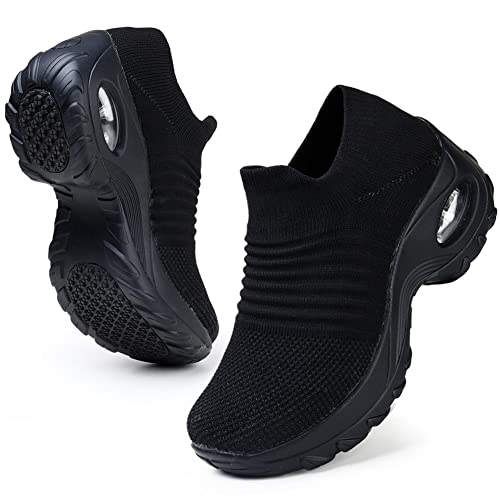
The HKR slip-on sneaker is made for convenience. Its easy-entry design suits busy mornings, travel, errands, and casual walking. The soft knit-style upper can feel comfortable when feet swell during the day. For people who dislike laces or struggle to bend down, that simple design is a real benefit.
However, I would use this shoe for walking and light gym work rather than demanding HIIT. Slip-on shoes can lack the firm heel hold needed for quick jumps and sharp direction changes. It may still work for stationary cycling, weight machines, stretching, and slow strength circuits. Check that the heel stays in place before adding faster movements.
Pros:
- Fast slip-on entry saves time
- Comfortable for errands and daily walking
- Flexible upper may suit mild swelling
- Lightweight feel reduces fatigue
- Simple black color matches many outfits
- Useful backup shoe for low-impact activity
Cons:
- Slip-on fit may not lock the heel firmly
- Not ideal for jumping or fast lateral work
- May offer less structured arch support than orthotic models
My Recommendation
I recommend the HKR for people who value easy wear and need a comfortable daily walking shoe. It is best for gentle movement, travel, and gym sessions that do not involve rapid foot changes. It is not my first choice when searching for the best HIIT shoes for plantar fasciitis, but it can support a low-impact routine. Its affordable price and convenience make it a useful secondary pair.
Women’s Orthotic Arch Support Sneakers

This women’s walking sneaker combines an athletic look with orthotic-style arch support. It may help users who feel discomfort when standing on hard surfaces or walking for long periods. The supportive base gives the foot more shape than a flat canvas shoe. That makes it useful for daily activity and low-impact workouts.
I would consider this model for beginners who want to resume exercise without starting with a highly technical trainer. It can suit walking intervals, elliptical work, light resistance training, and mobility sessions. For jumping, I would first test the outsole grip and heel security on the actual gym floor. A good shoe should feel supportive, not painful or overly corrective.
Pros:
- Orthotic-style arch support
- Good match for walking and standing
- Useful for low-impact gym routines
- Athletic appearance works for daily wear
- May reduce strain from flat footwear
- Supportive option for exercise beginners
Cons:
- May not suit high-impact plyometric workouts
- Arch support can feel different from person to person
- May need a short break-in period
My Recommendation
This shoe is best for beginners, walkers, and users who want a supportive everyday sneaker at a reasonable price. I like it for controlled workouts where comfort matters more than speed. When comparing the best HIIT shoes for plantar fasciitis, remember that a supportive walking model may outperform a softer shoe for some feet. Its overall value is strongest for daily use and moderate activity.
RomenSi Women’s Arch Support Sneakers, Size 8

This RomenSi listing gives shoppers another size option in the same supportive walking category. It targets people who want arch support, cushioning, and a sneaker shape for daily movement. The design may feel more reassuring than a flat slip-on, especially during long walks. It is a practical pick for users who want comfort without a complex, heavy shoe.
I would use it for walking, warm-ups, strength work, and low-impact intervals. It may also suit people who spend much of the day on their feet and want one pair for work and exercise. Fast burpees, jump squats, and lateral hops place higher demands on a shoe, so increase intensity slowly. Fit matters more than the label; the heel should stay stable, and the arch should not feel like a hard lump.
Pros:
- Supportive arch design for daily comfort
- Good option for walking and light training
- Can replace a flat casual sneaker
- May help reduce fatigue on hard floors
- Simple athletic style suits many outfits
- Practical choice for new exercisers
Cons:
- Less suited to explosive HIIT movements
- Support level may not meet severe orthotic needs
- Some users may prefer a wider toe box
My Recommendation
I recommend this RomenSi option for shoppers who need a supportive walking shoe in a specific size and want a simple workout pair. It suits light circuits, walking, and daily use better than intense athletic training. The best HIIT shoes for plantar fasciitis should reduce distraction from foot pain, and this model may do that during moderate sessions. It is a cost-conscious choice, especially when comfort and arch support rank above speed.
How I Evaluate Shoes for Plantar Fasciitis and HIIT
Plantar fasciitis affects the thick band of tissue that runs along the bottom of the foot. Pain often shows near the heel, and many people notice it most during their first steps after rest. HIIT adds fast loading, jumping, and repeated push-offs. That means a useful shoe must do more than feel soft in the hand.
I first look at fit. The heel should sit securely without rubbing, while the toes need room to spread. A narrow toe box can create pressure, but an overly loose shoe can let the foot slide. Either problem can change how the foot lands.
Next, I consider cushioning. Cushioning can lower the harsh feel of repeated contact, but more foam is not always better. A shoe that feels soft yet wobbly may make balance harder. For HIIT, I prefer a steady blend of cushioning and control.
Arch support also matters, but it must match the person. Some people feel better with a firm arch. Others find strong support irritating. The best choice is the shoe that supports the foot without creating a new pressure point.
Finally, I check the workout match. Running shoes often feel smooth in forward motion. Cross-training shoes usually handle side steps better. Walking shoes may be comfortable but less secure during jumps. Use the shoe for the work it was made to handle.
What to Look For in the Best HIIT Shoes for Plantar Fasciitis
Stable cushioning
Look for cushioning that absorbs shock but does not wobble. A stable base helps during squats, lunges, and quick stops. If the shoe bends in the middle with almost no resistance, it may not offer enough support for a demanding class.
Secure heel fit
A slipping heel can increase friction and make the foot work harder. The heel should feel held, not squeezed. Lace-up shoes often offer more adjustment than loose slip-ons, especially for fast drills.
Room for the toes
Your toes should not press against the front or sides. A little space allows natural movement as the foot loads. If you have swelling or bunions, an extra-wide option may offer a much better experience.
Useful arch support
Arch support should feel steady and mild, not sharp. It should spread pressure rather than create one hard spot. If you use an orthotic, check whether the shoe has a removable insole and enough interior depth.
Traction for your floor
HIIT floors vary. Rubber gym flooring, wood, and outdoor pavement need different levels of grip. Too little traction can cause slips. Too much sticky grip can make a turn feel abrupt.
Breathable materials
Heat and sweat can increase rubbing. A breathable upper helps manage moisture during long sessions. Still, ventilation should not replace a secure fit.
A gradual break-in plan
Do not wear a new pair for a long class on day one. Start with 15 to 20 minutes of walking. Then try a short, easy workout. This simple plan can reveal pressure points before they become a painful surprise.
How to Use HIIT Shoes When You Have Plantar Fasciitis
Start with a warm-up. Walk for several minutes, then move through gentle ankle circles and calf raises. Tight calf muscles can place more pull through the heel and the plantar fascia. A slow start also helps you notice pain before the workout becomes intense.
Choose low-impact intervals first. Try cycling, rowing, marching, controlled squats, and resistance exercises. Delay repeated jumps and sprints until your foot handles basic movement well. Pain is not a sign that the workout is working.
Keep your first sessions short. Ten to fifteen minutes of focused work may be enough while symptoms settle. Add time in small steps. If pain lingers or worsens after exercise, reduce the load and speak with a qualified health professional.
Replace worn shoes. Foam and tread lose performance over time, even when the upper looks fine. A shoe that once felt stable may become flat or uneven. Rotate pairs when possible, and keep your workout shoes for exercise rather than all-day errands.
Best For Comparison
| Best for | Why |
|---|---|
| Best overall versatility | Brooks Anthem 8 offers a smooth neutral ride for walking, running, and moderate HIIT. |
| Best for wide feet | FitVille Extra Wide gives the toes more room and can suit swelling, bunions, and high-volume feet. |
| Best budget support | BiNHam combines arch support and a workout-ready shape at a more accessible price. |
Common Mistakes to Avoid
The first mistake is choosing a shoe only because it feels soft. Soft foam can feel pleasant at first, but it may not give enough control for lunges or side steps. Look for balance between comfort and stability.
The second mistake is buying the wrong size. Many people choose a smaller size because they want a snug fit. Your toes still need space, especially during exercise. Measure both feet late in the day, since feet often swell slightly.
The third mistake is treating shoes as a complete treatment plan. Shoes can support comfort, but they do not diagnose the cause of heel pain. Rest, activity changes, calf mobility, and professional advice may also matter.
The fourth mistake is using a walking shoe for every HIIT workout. A walking shoe may be excellent for steps and light circuits. It may not handle explosive side-to-side motion. Match the shoe to the training style.
FAQs Of best hiit shoes for plantar fasciitis
Can HIIT make plantar fasciitis worse?
It can, especially when workouts include repeated jumps, hard landings, or sudden increases in training time. Start with low-impact intervals and stop if pain rises.
Should I choose a running shoe or a cross-trainer?
Choose a running shoe for forward motion and treadmill work. Choose a cross-trainer for frequent side steps and quick direction changes. The best choice depends on your class.
Do I need strong arch support?
Not always. Some feet prefer mild support, while others feel better with a firmer arch. The support should feel comfortable and should not create a hard pressure spot.
Are slip-on shoes good for HIIT?
They can work for walking and gentle exercise, but many slip-ons lack firm heel lockdown. For jumps and fast lateral moves, a secure lace-up design is usually safer.
When should I replace my workout shoes?
Replace them when the tread looks worn, the midsole feels flat, or your feet and joints feel more tired after workouts. The exact timing depends on use, body weight, surfaces, and shoe quality.
Final Verdict: Which Should You Buy?
The Brooks Anthem 8 is my top all-round pick for neutral-foot users. FitVille wins for wide feet, while BiNHam offers strong budget value. Each can suit a different search for the best HIIT shoes for plantar fasciitis.
Choose a secure fit, build intensity slowly, and listen to your heel. The right support can make training feel less like a battle and more like progress.

Michael Smith is the Content Strategist behind The Style Hub, where fashion meets function. With a keen eye for trends and a passion for everyday style, he curates content that helps readers make smarter, more stylish choices—from the perfect pair of sneakers to must-have accessories. Michael specializes in breaking down fashion into practical, wearable insights, making style accessible for everyone. When he’s not researching the latest trends, he’s exploring how comfort, innovation, and timeless design come together in modern fashion.