Women who cannot wear boots can choose comfortable alternatives such as sneakers, loafers, flats, sandals, clogs, or weather-ready walking shoes. The best option depends on why boots are difficult—foot pain, swelling, a brace, limited ankle movement, a medical condition, workplace rules, or personal comfort.
In the United States, footwear should support safe walking, fit the foot well, and match the weather and setting. A stylish outfit does not require boots. The goal is to find shoes that protect the feet without causing pressure, rubbing, instability, or pain.
If you cannot wear boots because of sudden pain, swelling, numbness, an injury, or a change in how you walk, seek medical advice. The American Academy of Orthopaedic Surgeons and the American Podiatric Medical Association both stress the value of proper fit and appropriate support for foot health.

Why Some Women Cannot Wear Boots
Boots can be hard to wear because they often cover the ankle, have firm shafts, use narrow openings, or come with thick soles and heels. These features may create problems for people with sensitive feet, ankle restrictions, swelling, or difficulty bending down.
Common reasons include:
- Foot pain, including bunions, heel pain, arthritis, or sore arches
- Ankle pain or limited ankle motion
- Swelling from pregnancy, circulation problems, injury, or other health conditions
- Braces, orthotics, compression garments, or casts
- Wide feet or high insteps
- Difficulty reaching the feet or pulling on high footwear
- Balance concerns or fall risk
- Workplace or uniform requirements
- Warm weather or indoor settings
- A personal preference for lighter footwear
A boot that feels tight around the ankle may cause rubbing and pressure. A boot with a high heel can also place more load on the front of the foot and may feel less stable. These effects vary by person, so comfort and safe movement matter more than the shoe label.
Best Alternatives to Boots
The best boot alternative is a shoe that fits the foot, stays secure during walking, and provides enough protection for the conditions. No single style works for every person.
1. Supportive sneakers
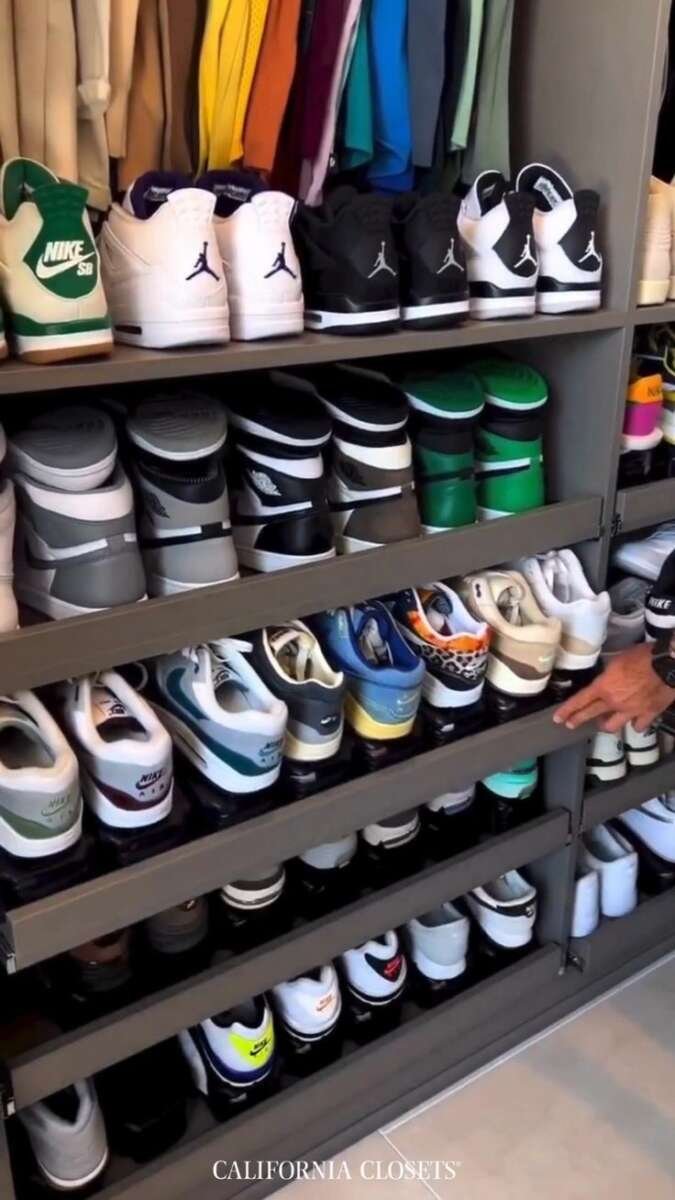
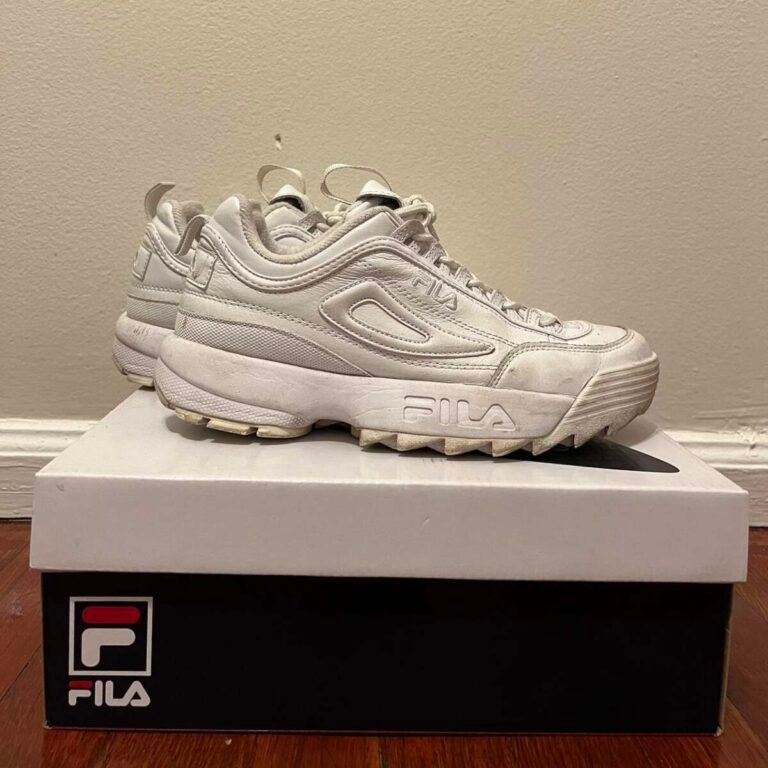
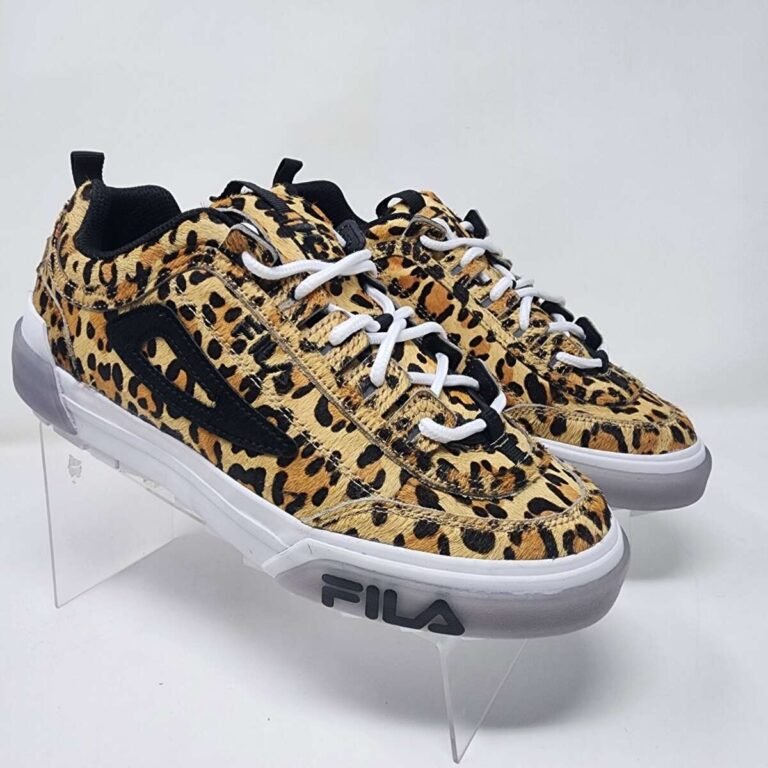
Supportive sneakers are often the simplest replacement for boots. They work well for daily errands, travel, walking, casual offices, and many fall outfits.
Look for:
- A wide enough toe box
- A firm, supportive heel
- A sole with good grip
- A secure lace, strap, or adjustable closure
- Enough room for socks or prescribed inserts
- A cushioned but stable midsole
Choose water-resistant sneakers for light rain. They may not replace insulated or waterproof boots in deep snow, heavy rain, or icy conditions.
2. Walking shoes
Walking shoes can offer more structure than casual sneakers. They may suit women who need stable footwear but cannot tolerate a boot shaft around the ankle.
Walking shoes are useful for:
- Long periods on your feet
- Travel
- Shopping
- Work commutes
- Mild outdoor conditions
They should not pinch the toes or force the foot into a narrow shape. Try them at the end of the day, when feet may be slightly larger.
3. Loafers
Loafers provide a polished look without an ankle shaft. They can work with trousers, jeans, skirts, and dresses.
Choose loafers with:
- A low, stable heel
- A flexible upper that does not press on sore areas
- A padded collar
- A textured outsole
- A roomy toe area
Slip-on loafers may be convenient, but they should not slide off while walking. If you must grip with your toes to keep them on, choose a more secure style.
4. Ballet flats and structured flats
Flats can replace boots for dressy or casual outfits. However, very thin flats may provide little cushioning or support. A structured flat with a firm sole, padded footbed, and secure fit is usually more practical than a soft, loose shoe.
If you have heel pain, arch pain, or balance concerns, avoid assuming that every flat is safe simply because it has no heel. Flatness and support are not the same thing.
5. Mary Janes and adjustable-strap shoes
Mary Janes and similar shoes use a strap across the foot. This can help keep the shoe secure without a tall ankle opening.
They are useful when you want:
- A feminine or classic look
- A secure fit
- Easy outfit matching
- Less ankle coverage than a boot
Choose a strap that does not press on swelling or sensitive areas. Adjustable closures are often better than fixed straps.
6. Clogs
Clogs can offer a roomy upper and a thicker sole. Some people find them easy to put on and remove. Others may find them heavy or unstable.
Before choosing clogs, walk on a level surface and check whether the heel stays in place. Avoid styles that make your foot slide or require you to grip the shoe with your toes.
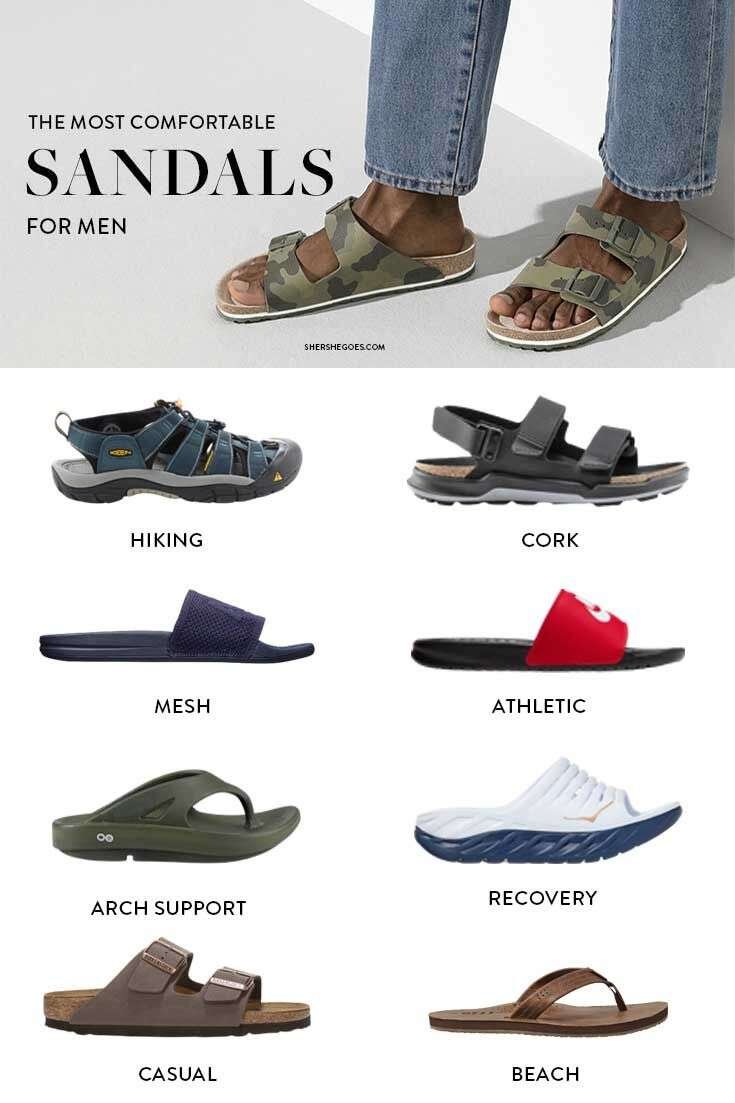
7. Sandals
Sandals can be a good option in warm U.S. climates or indoors. Supportive sandals with adjustable straps may work for people who cannot tolerate enclosed footwear.
For better stability, look for:
- A back strap
- Adjustable straps
- A contoured footbed
- A textured outsole
- Adequate toe protection when needed
Open sandals are not a safe substitute for boots in snow, icy conditions, very cold weather, or work areas with falling or rolling objects.
8. Weather-ready shoes
If boots are not possible but the weather is wet or cold, consider low-cut waterproof shoes, weatherproof sneakers, or insulated walking shoes. These styles can protect the feet while avoiding a tall shaft.
Check the product details carefully. “Water-resistant” usually does not mean fully waterproof. A low shoe may also allow water or snow to enter from the top.

How to Choose the Right Shoe for Your Reason
Start with the problem boots create. Then choose a shoe feature that addresses that problem.
| If boots cause this problem | Look for these features | Avoid |
|---|---|---|
| Ankle pressure | Low-cut shoes, soft collars, adjustable straps | Tight shafts and stiff edges |
| Foot swelling | Wide fit, adjustable closures, removable insoles | Fixed narrow uppers |
| Painful toes or bunions | Wide and deep toe box | Pointed toes |
| Difficulty bending down | Slip-on or easy-entry shoes | Long laces or stiff openings |
| Poor balance | Low heel, secure fit, firm heel counter, good grip | Loose slides and high heels |
| Need for orthotics | Removable insole and enough depth | Shallow shoes |
| Rain | Water-resistant or waterproof upper with traction | Smooth, absorbent fabric |
| Cold weather | Insulation and covered upper | Thin canvas or open sandals |
| Workplace hazards | Closed toe and employer-approved protection | Casual shoes that do not meet safety rules |
A shoe should feel comfortable when you first try it. Do not depend on “breaking in” a painful shoe. Some materials soften, but pressure from a narrow toe box or poor shape usually does not disappear.
Footwear Tips for Common Medical Concerns
Bunions and wide feet
A bunion is a bony change near the base of the big toe. Shoes with a narrow or pointed front can increase pressure in that area.
Choose shoes with a wide, rounded toe box. The toes should be able to spread without touching the end or sides of the shoe. The APMA recommends choosing shoes that fit well and do not force the foot into an unnatural shape.
Plantar heel pain
People with plantar heel pain may prefer shoes with cushioning and stable support. Very thin flats and unsupportive slippers can feel worse for some people, especially during long periods of standing.
The cause of heel pain is not always clear from the shoe alone. If pain continues, worsens, or limits normal walking, a podiatrist or other qualified clinician can assess it.
Arthritis or stiff joints
Arthritis can make stiff footwear and difficult closures frustrating. Look for shoes with flexible uppers, easy openings, and stable soles.
Some people prefer rocker-style soles because they may reduce the need for certain foot or ankle movements. However, these soles can also feel unstable. Try them indoors first and stop if they affect balance.
Swollen feet
Foot size can change during the day. Swelling may also vary from one foot to the other.
Try shoes later in the day and use adjustable laces, hook-and-loop straps, or elastic panels. Do not force swollen feet into tight footwear. If swelling is new, severe, one-sided, painful, or linked with shortness of breath, seek prompt medical care.
Orthotics and braces
If you use custom orthotics, a brace, or another device, bring it when trying on shoes. The device can change the amount of space you need.
A removable insole may create extra room. Do not remove a shoe insert if doing so makes the shoe unstable or changes the prescribed fit. Ask the clinician who supplied the device if you are unsure.
Pregnancy
Pregnancy can bring foot swelling, balance changes, and changes in shoe size. Adjustable shoes with a low, stable sole may be easier to wear than tall or high-heeled boots.
Comfort can change throughout the day. Avoid tight footwear and use extra care on wet or uneven ground.

How to Style Outfits Without Boots
You can replace the visual weight of boots by repeating another detail in the outfit. A shoe does not need to be tall to look intentional.
Try these combinations:
- Jeans and sneakers: Add a structured jacket, cardigan, or scarf.
- Wide-leg trousers and loafers: Let the trouser hem fall near the top of the shoe.
- Midi skirt and Mary Janes: Add tights in a similar color for a longer visual line.
- Leggings and supportive sneakers: Pair them with a longer sweater or tunic.
- Summer dress and sandals: Use a jacket or belt to add structure.
- Straight-leg pants and low-cut weather shoes: Choose a matching or neutral color.
- Dress pants and structured flats: Keep the shoe clean and simple for a polished look.
Color can also help. A shoe close to the color of your pants creates a continuous line. A contrasting shoe draws attention to the feet, which can be useful when the style is deliberate.
Comfortable does not have to mean informal. Leather loafers, neat sneakers, simple flats, and structured sandals can all look suitable for work or social events when the rest of the outfit is balanced.
What to Wear in Rain, Snow, and Ice
Boot alternatives have limits in severe weather. If you cannot wear boots, plan around the actual conditions rather than choosing a shoe only for appearance.
For rain, use waterproof or highly water-resistant low shoes with traction. Carry dry socks if you expect long exposure to water.
For snow, low-cut shoes may not provide enough warmth, height, or water protection. Consider asking a health professional or orthotist whether a specific weather shoe can work with your foot condition or device.
For ice, traction matters, but no ordinary shoe removes all slipping risk. The CDC recommends fall-prevention habits such as improving walking conditions and using appropriate support when needed. Take shorter steps, avoid rushing, and use handrails when available.
If your workplace requires protective footwear, ask your employer about approved alternatives or an accommodation process. Regular sneakers may not protect against punctures, impact, chemicals, or electrical hazards.
How to Check Whether a Shoe Fits
Use this short fitting process:
- Try on both shoes. Feet are not always the same size.
- Wear the socks or inserts you plan to use.
- Stand and walk indoors. Check for slipping, rubbing, or pressure.
- Check the toe room. Your toes should not touch the front.
- Check the widest part. The shoe should not squeeze the ball of the foot.
- Check the heel. A small amount of movement may occur, but the shoe should not slip off.
- Bend and turn. Make sure the sole and upper do not create painful pressure.
- Inspect your feet afterward. Red marks, blisters, numbness, or burning suggest a poor fit.
If a shoe causes pain within a few minutes, do not use it for a full workday or long walk. Return it if possible and try a different shape.
Common Mistakes to Avoid
Choosing appearance over safety
A stylish flat can still be slippery, loose, or too thin for your needs. Match the shoe to the surface, distance, weather, and activity.
Buying a larger size to solve a width problem
A longer shoe may leave the heel loose while still squeezing the front. Try a wider fit or a different shoe shape instead.
Wearing loose slip-ons for long walks
Slip-ons can be useful, but they should remain secure. If the shoe falls off or makes you grip with your toes, it may increase fatigue and affect your walking pattern.
Ignoring changes in foot size
Swelling, pregnancy, injury, and some health conditions can change how shoes fit. Recheck the fit rather than continuing to wear a formerly comfortable pair.
Assuming every soft shoe is supportive
Soft fabric may feel pleasant but can lack structure. Look at the sole, heel stability, closure, and overall fit.
Wearing unsafe shoes in hazardous work areas
If safety footwear is required, ask for an approved accommodation or alternative. Do not assume a casual shoe meets a workplace safety standard.

When to Ask a Health Professional for Help
See a podiatrist, orthopedist, physical therapist, or primary care professional if footwear problems continue despite trying appropriate sizes and styles.
Professional guidance is especially important when you have:
- Persistent or worsening pain
- Numbness, tingling, or burning
- Repeated blisters or skin breakdown
- A new change in walking or balance
- Significant swelling
- A recent injury
- Diabetes or reduced sensation in the feet
- A brace, cast, or custom orthotic
- Difficulty walking safely
Seek urgent care for severe injury, a cold or pale foot, sudden one-sided swelling, or symptoms that occur with chest pain or shortness of breath.
A qualified professional can assess the cause and recommend footwear, inserts, exercises, or treatment based on your condition. Online advice cannot replace an examination.

Key Takeaways
- Women who cannot wear boots can choose sneakers, walking shoes, loafers, flats, Mary Janes, clogs, sandals, or low-cut weather shoes.
- The right choice depends on the reason boots are not possible and the conditions in which the shoe will be worn.
- Prioritize fit, stability, traction, weather protection, and compatibility with orthotics or braces.
- Avoid painful shoes, narrow toe boxes, loose slip-ons, and footwear that does not meet workplace safety rules.
- New pain, swelling, numbness, injury, or balance trouble deserves professional attention.
FAQs
What can I wear instead of boots in winter?
Try insulated, weather-resistant low shoes or sneakers with good traction if your local conditions allow them. In deep snow, ice, or very cold weather, low shoes may not offer enough protection. Ask a clinician or orthotist about safe options if boots are medically difficult.
Are sneakers a good alternative to boots?
Yes, sneakers can be a good alternative for everyday use, travel, walking, and mild weather. Choose a pair with a secure fit, supportive sole, adequate toe room, and enough space for any inserts or braces.
What shoes are easiest to put on if I cannot bend down?
Slip-on shoes, elastic-lace sneakers, and hook-and-loop shoes are often easier to use. The shoe must still stay secure while walking. A loose slide may be easy to put on but less safe for long walks or uneven ground.
Can I wear flats if boots hurt my feet?
You can wear supportive flats if they fit well and provide enough stability for the activity. Very thin or loose flats may not work well for people with heel pain, balance concerns, or long periods of standing.
What should I wear with dresses if I cannot wear boots?
Try structured flats, Mary Janes, loafers, supportive sandals, or clean low-profile sneakers. Match the shoe color to the dress or tights, or repeat the shoe color in a jacket, belt, or bag.
Can a doctor help me find footwear if I cannot wear boots?
Yes. A podiatrist, orthopedist, physical therapist, or orthotist can assess your foot, ankle, brace, or walking pattern. They can help identify features that may improve comfort and safety.
Conclusion
If you cannot wear boots, you still have many practical and stylish choices. Start with the reason boots do not work, then select footwear with the right fit, support, closure, traction, and weather protection.
For everyday wear, supportive sneakers, walking shoes, loafers, and structured flats are common alternatives. For swelling, braces, pain, or balance problems, adjustable shoes may work better—but persistent symptoms should be assessed by a qualified health professional.

Michael Smith is the Content Strategist behind The Style Hub, where fashion meets function. With a keen eye for trends and a passion for everyday style, he curates content that helps readers make smarter, more stylish choices—from the perfect pair of sneakers to must-have accessories. Michael specializes in breaking down fashion into practical, wearable insights, making style accessible for everyone. When he’s not researching the latest trends, he’s exploring how comfort, innovation, and timeless design come together in modern fashion.