Women in the United States love boots for many different reasons. Boots can protect feet in snow, rain, mud, and cold weather. They can also add height, shape an outfit, express personal style, or help someone feel more confident.
The short answer is that boots combine useful design with strong visual appeal. A pair of boots may serve a practical need on a snowy Chicago sidewalk, a style goal in New York, or a comfort need during a long day in Texas. Their appeal changes with the boot type, the season, the setting, and the wearer.
There is no single reason every woman loves boots. Some prefer ankle boots for daily wear. Others choose work boots for support, riding boots for structure, or knee-high boots for warmth and style.

Key Takeaways
- Boots protect the feet and lower legs from weather, rough ground, and workplace hazards.
- Many women like the way boots change the shape and balance of an outfit.
- Boots can support personal identity, from rugged and practical to polished and refined.
- Different boot styles suit different needs, climates, activities, and dress codes.
- Comfort depends more on fit, support, materials, and use than on appearance alone.
- A stylish boot is not automatically a safe or comfortable boot.
1. Boots Offer Both Function and Fashion
Boots stand out because they solve practical problems without looking purely utilitarian. A sneaker may feel light and casual. A dress shoe may look polished but offer little protection from wet ground. Boots often sit between the two.
A typical boot covers more of the foot and ankle than a flat shoe. Some styles reach the calf or knee. This extra coverage can help block cold air, rain, dirt, brush, and light impact.
Boots also have a strong visual shape. Their shaft, heel, toe, sole, and stitching can change the whole look of an outfit. That makes one pair useful for both protection and self-expression.
This mix explains much of their lasting appeal. A woman may buy boots because she needs warm shoes, then keep wearing them because they make jeans, skirts, dresses, or coats look more complete.

2. Boots Help Women Express Personal Style
Clothing is more than a cover for the body. It can show taste, mood, work, culture, and identity. Boots give women many ways to send those signals without saying a word.
For example:
- Cowboy boots may suggest Western style, tradition, or a link to ranch and country culture.
- Combat boots can create a tough, casual, or alternative look.
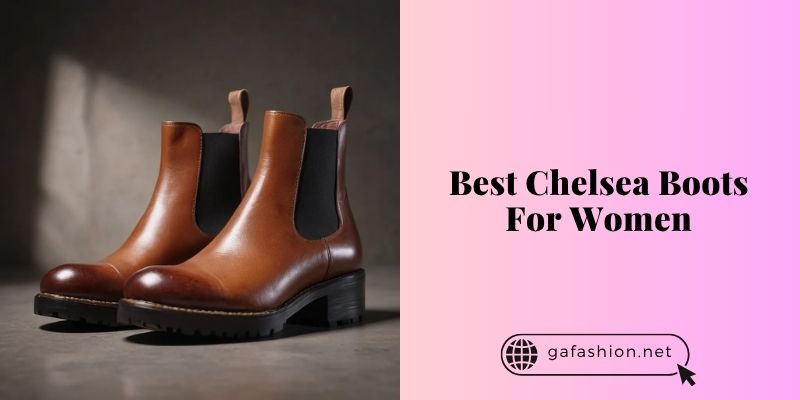
- Chelsea boots often give an outfit a clean and simple shape.
- Riding boots can add a classic and structured feel.
- Over-the-knee boots create a bold fashion statement.
- Work boots may signal durability, skill, or an active lifestyle.
- Rain boots can make bad-weather clothing feel more playful and intentional.
These meanings are not fixed. The same boot can look casual with jeans, formal with a tailored coat, or dramatic with a dress. The wearer controls much of the message through color, fit, clothing, and setting.
Research on clothing and identity supports this general idea. consumer research has long examined how people use possessions to build and express a sense of self. That does not prove that every woman wears boots for identity reasons, but it helps explain why footwear can feel personal rather than purely practical.

3. Boots Can Make an Outfit Feel More Complete
Many women like boots because they add visual weight to an outfit. This can help balance loose clothing, long coats, short skirts, wide-leg jeans, and oversized sweaters.
A boot can also guide the eye along the leg. A pointed toe may create a longer visual line. A similar-color boot and pant can make the lower body look more continuous. A contrasting boot can become the main focus of the outfit.
The effect often depends on proportion:
- Ankle boots work well with cropped pants, jeans, and many casual outfits.
- Mid-calf boots add more coverage and can work with skirts or loose dresses.
- Knee-high boots pair well with dresses, skirts, leggings, and fitted pants.
- Tall boots can add drama but may feel too warm or formal in some settings.
- Chunky soles can make an outfit look stronger and more casual.
- Slim soles and narrow toes usually create a dressier appearance.
These are style guidelines, not rules. Personal taste, body shape, comfort, and local fashion all matter more than a fixed formula.

4. Boots Help Women Dress for American Weather
The United States has many climates. A woman in Minnesota may need insulation and water resistance. Someone in Seattle may care about rain protection. A woman in Arizona may want a lightweight Western or ankle boot that works in dry heat.
Boots can adapt to these conditions better than many low-cut shoes. Their taller design may keep snow, mud, and rain from reaching the ankle. A lugged sole can also provide more grip than a smooth dress sole, although no tread works equally well on every surface.
Common weather-related reasons women choose boots include:
- Keeping feet warmer in cold months
- Reducing contact with snow, puddles, and wet grass
- Protecting skin from mud, brush, and rough ground
- Getting better traction on some uneven surfaces
- Wearing one durable pair across several fall and winter outfits
Boots are not automatically waterproof or warm. Leather may resist some moisture but still need treatment. Suede can stain easily. Fashion boots may have thin soles and little insulation. Always check the material, lining, tread, and care instructions.
5. Boots Can Feel Strong, Confident, and Grounded
Some women describe boots as making them feel more confident. This feeling can come from several sources: a firm sole, a taller shape, a heel, a familiar style, or the way the boots change an outfit.
A boot may feel like a small form of armor. It covers more of the foot and can create a sense of readiness. A sturdy pair can also make a wearer feel prepared for a long walk, a busy workday, or rough outdoor conditions.
The psychology of clothing offers a useful clue. In a well-known study on “enclothed cognition,” researchers found that clothing can influence how people think and behave when the clothing carries a symbolic meaning and the wearer physically wears it. The study focused on lab coats, not boots, so it cannot prove a universal boot effect. It does suggest that clothing may influence feelings and behavior through both meaning and physical experience.
Confidence still comes from more than footwear. A well-fitting boot may support it, while a painful or unstable boot can have the opposite effect.

6. Boots Can Provide Support and Protection
A well-made boot may offer more structure than a soft, flat shoe. It can protect the toes, cover the ankle, and provide a firm base. This can be useful for work, walking, riding, hiking, gardening, and other activities.
However, boot quality varies widely. Some boots provide real support. Others only look sturdy.
Look for these features when support matters:
| Feature | Possible benefit | What to check |
|---|---|---|
| Firm heel counter | Helps hold the heel in place | It should not rub or pinch |
| Stable sole | May improve balance on uneven ground | The sole should match the activity |
| Roomy toe box | Gives toes space to spread | Toes should not touch the front |
| Cushioned insole | May reduce pressure | Cushion should not make the foot unstable |
| Secure laces or closures | Helps control movement | The foot should not slide inside |
| Water-resistant upper | Helps with light moisture | Water resistance is not full waterproofing |
Boots do not replace activity-specific footwear. A fashion boot may not be suitable for hiking. A work boot may not offer enough flexibility for long-distance walking. A tall heel can also change how pressure moves through the foot.
The American Podiatric Medical Association advises choosing shoes that fit well and suit the activity. The same principle applies to boots: match the boot to the job, not only to the outfit.

7. Boots Can Work Across Many Outfits
Versatility is another reason women buy boots. A neutral pair can work with jeans, trousers, skirts, dresses, and leggings. This may reduce the need for several different types of shoes.
Black, brown, tan, and dark gray boots often blend with many wardrobes. A simple ankle boot may move from office wear to dinner. A waterproof boot may work for errands and weekend travel. A polished knee-high boot may suit both a dress and slim pants.
Boots also help with seasonal dressing. In much of the United States, ankle and knee-high boots become popular in the fall because they pair well with jackets, knitwear, and heavier fabrics. In winter, insulated or weather-resistant designs may become more useful.
Versatility has limits. A suede boot may not suit heavy rain. A tall boot may not fit under wide-leg pants. A heavy lug sole may look out of place with delicate formal clothing. The best choice depends on how often the boot will be worn and where it will be used.

8. Different Boot Styles Attract Different Wearers
The phrase “women’s boots” covers many designs. Each style offers a different mix of comfort, protection, tradition, and fashion.
Ankle boots
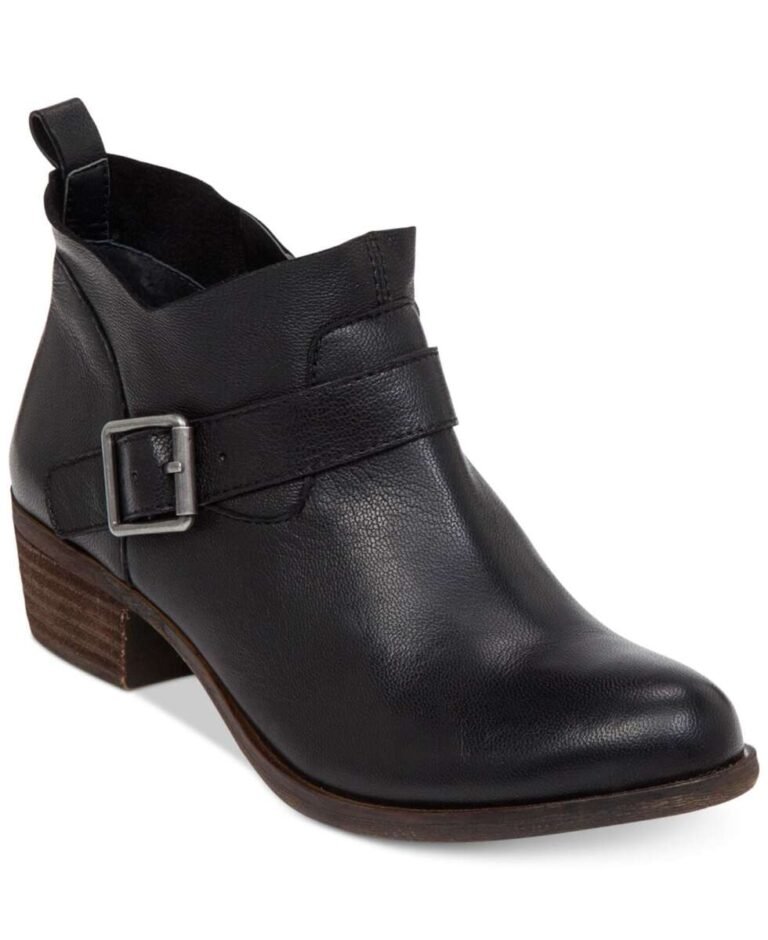
Ankle boots are popular because they are easy to style and usually less bulky than taller boots. They can work with jeans, trousers, dresses, and skirts.
Choose them when you want:
- A flexible everyday shoe
- Easy on-and-off wear
- Less warmth than a tall boot
- A style that works across seasons
Knee-high boots
Knee-high boots provide more coverage and a stronger visual effect. They can help keep the lower legs warm and work well with skirts, dresses, and fitted pants.
Their main limits are heat, fit, and storage. The shaft must fit the calf without cutting into the leg or sliding down.
Cowboy boots
Cowboy boots carry a clear design tradition. Their pointed or rounded toes, angled heels, and decorative stitching can give an outfit a distinct Western look.
Some people wear them for work or riding. Others wear them as fashion pieces. A fashion cowboy boot may not provide the same protection as a boot designed for riding or labor.
Combat and lug boots
These boots often have thick soles, laces, and a firm shape. They can create a casual or rugged look and may feel stable on some surfaces.
Their weight can become a drawback. They may also need a break-in period, so wear them for short periods before using them for a full day.
Rain and winter boots
Rain boots focus on moisture protection. Winter boots may add insulation, a waterproof membrane, and deeper tread.
These features can make them warm and useful, but they may also make them less flexible. Check whether the boot is designed for light rain, deep snow, ice, or regular outdoor work.

9. Comfort Depends on Fit More Than Fashion
A boot can look attractive and still hurt. The most important comfort factors are fit, shape, support, weight, flexibility, and the activity.
Use this basic fitting process:
- Try boots on later in the day. Feet often swell slightly after standing and walking.
- Wear the socks you plan to use. Thick winter socks can change the fit.
- Check the toe area. Toes should not touch the front or feel squeezed from the sides.
- Walk on a safe surface. Look for heel slipping, pressure, rubbing, or unstable steps.
- Check the instep and shaft. The boot should not press hard across the top of the foot or calf.
- Compare both feet. One foot may be larger than the other.
- Do not rely on painful break-in. A small amount of stiffness may improve, but sharp pain or numbness is a warning.
A boot that is too loose can cause rubbing and blisters. A boot that is too tight can create pressure, numbness, or toe problems. High heels may increase pressure on the front of the foot and make balance harder.
People with ongoing foot pain, numbness, diabetes, poor circulation, or repeated blisters should ask a podiatrist or other qualified health professional for personal advice.

10. Why Some Women Stop Loving Boots
Boots can lose their appeal when they are hard to wear, hard to maintain, or poorly matched to the setting.
Common problems include:
- Blisters from stiff materials or poor fit
- Wet feet from a boot that is not truly waterproof
- Cold feet from thin fashion materials
- Tired legs from heavy boots
- Foot pain from high heels or narrow toes
- Slipping caused by worn tread
- Stains on suede or unfinished leather
- Calf discomfort from a tight shaft
- Difficulty putting on tall boots
- Poor traction on ice despite a thick-looking sole
The solution starts with the cause. A blister may require a better fit or smoother socks. Cold feet may require insulation, but adding thick socks to a tight boot can make circulation worse. Slipping may mean the tread is worn, not that the boot needs more break-in time.
Stop wearing a boot if it causes severe pain, numbness, skin injury, or repeated instability. Repair or replace it when the sole, heel, seams, or waterproof barrier no longer work as intended.

11. How to Choose Boots That You Will Actually Wear
The best boot is the one that fits your real life. Start with use rather than trend.
Ask these questions:
- Where will I wear the boots?
- What weather will they face?
- How long will I stand or walk in them?
- Do I need a heel, flat sole, or extra traction?
- Will I wear thick socks?
- Does the shaft fit my calf?
- Can I care for the material?
- Will the color work with my current clothes?
- Can I put them on without a struggle?
- What signs would make me return or replace them?
A simple decision guide can help:
| Main need | Useful boot traits | Main trade-off |
|---|---|---|
| Daily city wear | Light weight, flexible sole, easy closure | May offer less weather protection |
| Cold weather | Insulation, warm lining, sealed seams | Often heavier and less flexible |
| Rain | Water-resistant or waterproof upper, treated seams | May feel less breathable |
| Long walking | Low heel, cushioning, stable sole, good fit | May look less formal |
| Office style | Clean shape, moderate heel, smooth upper | Usually less protective outdoors |
| Outdoor work | Strong upper, secure fit, protective sole | More weight and break-in time |
| Fashion statement | Distinct color, shape, or height | May be less versatile or comfortable |
Try to judge boots after several minutes of walking, not only while standing in front of a mirror. Style matters, but a boot that stays in the closet is not a useful purchase.

Frequently Asked Questions
Why do women wear boots instead of sneakers?
Boots offer more coverage, structure, and weather protection. Some women also prefer their stronger visual shape. Sneakers may be lighter and better for long walks, while boots may work better for rain, cold, work, or a specific outfit.
Are boots good for your feet?
Some boots can be comfortable and supportive when they fit well and match the activity. Others may cause pain because of narrow toes, high heels, poor support, or excessive weight. Comfort depends on the specific design and the wearer’s feet.
Why are boots popular in fall?
Fall weather makes boots practical in much of the United States. They pair well with jeans, coats, sweaters, skirts, and heavier fabrics. They also provide more coverage than many summer shoes without the full bulk of winter footwear.
Do boots make women look taller?
Some boots add height through a heel or platform. Even flat boots can create a longer visual line when their color matches the pants or tights. The effect depends on the boot shape, clothing, and proportions.
How should women break in new boots?
Wear new boots for short periods at home or on safe indoor surfaces. Use the socks you expect to wear. Do not force a boot that causes sharp pain, numbness, or severe rubbing. A poor fit usually will not become a good fit through break-in.
Are expensive boots always better?
No. Price can reflect materials, construction, brand, or design, but it does not guarantee comfort or durability. Fit, sole quality, stitching, materials, and suitability for the intended use matter more than price alone.
Conclusion: Boots Appeal Because They Do More Than One Job
Women love boots because boots bring together protection, style, identity, and confidence. They can keep feet dry, add warmth, support an active day, and change the feel of an outfit.
The best pair depends on the wearer’s needs. A comfortable ankle boot may be ideal for daily errands. A waterproof winter boot may matter more in a cold region. A dress boot may be chosen mainly for shape and style.
Before buying, focus on the real use: weather, walking, fit, support, care, and clothing. When those needs match the design, boots can be both useful and expressive—not just another pair of shoes.

Michael Smith is the Content Strategist behind The Style Hub, where fashion meets function. With a keen eye for trends and a passion for everyday style, he curates content that helps readers make smarter, more stylish choices—from the perfect pair of sneakers to must-have accessories. Michael specializes in breaking down fashion into practical, wearable insights, making style accessible for everyone. When he’s not researching the latest trends, he’s exploring how comfort, innovation, and timeless design come together in modern fashion.