What Shoes Do Podiatrists Recommend: Top Picks
Podiatrists recommend comfortable, supportive shoes with a roomy toe box, stable soles, and a secure fit.
Choosing the right pair is not just about brand names or soft cushioning. The best shoes support your foot shape, match your daily activity, and reduce stress on your toes, arches, heels, ankles, and knees. This guide explains what shoes do podiatrists recommend, how to check the fit, and which features matter most for common foot problems.

What shoes do podiatrists recommend?
Most podiatrists recommend shoes that fit well, feel stable, and let your feet move naturally. A good shoe should not pinch your toes, let your heel slide, or force your foot into an unusual position.
The best choice depends on your foot type and routine. A person with plantar fasciitis may need a firm heel counter and supportive midsole. Someone with bunions may need extra width at the front. A runner needs different support from a person who stands at work all day.
In general, podiatrists look for these features:
• A wide, rounded toe box that lets the toes spread
• A secure heel that does not slip
• Firm support through the middle of the shoe
• Cushioning that reduces impact without feeling unstable
• A flexible front that bends near the toes
• A low or moderate heel
• Breathable materials that help control heat and moisture
A shoe does not need to be expensive to be helpful. It needs to match your foot and your activity. Many foot problems begin when people choose style, size, or price before comfort and fit.
Key features in podiatrist-recommended shoes
A roomy toe box
Your toes need room to spread and move. A pointed or narrow toe box can push the toes together and increase pressure on bunions, corns, hammertoes, and ingrown toenails.
The widest part of the shoe should match the widest part of your foot. Your toes should not touch the front, top, or sides of the shoe.
A useful test is to remove the insole and stand on it. Your foot should fit fully on the insole without spilling over the edges. This test does not replace a walking fit check, but it can reveal shoes that are too narrow.
A stable heel counter
The heel counter is the firm section around the back of the shoe. It helps hold your heel in place and can improve stability during walking.
Press the back of the shoe with your thumb. It should feel firm rather than soft and floppy. A heel that moves up and down with every step can cause rubbing, blisters, and extra strain on the foot.
A supportive midsole
The midsole sits between the upper part of the shoe and the outsole. It controls much of the shoe’s cushioning, stability, and shock absorption.
Podiatrists often prefer a midsole that feels supportive without being rock hard. Extremely soft shoes may feel comfortable at first, but they can allow the foot to roll or wobble more than is helpful.
A flexible forefoot
A healthy walking shoe should bend near the ball of the foot. It should not fold in the middle like a thin slipper.
Try bending the shoe gently. It should flex at the front but resist twisting from side to side. This balance helps the shoe move with your stride while still giving your foot a stable base.
A low heel
A high heel shifts body weight toward the front of the foot. It can increase pressure on the ball of the foot and shorten the calf muscles over time.
For daily wear, many podiatrists suggest a low, broad heel. A small heel may feel comfortable for some people, but a tall or narrow heel is less suitable for long periods of walking or standing.

The best shoe types for different needs
Walking shoes
Walking shoes are often among the shoes podiatrists recommend for daily use. They usually provide a stable sole, moderate cushioning, and enough flexibility for a normal walking pattern.
Look for a walking shoe with:
• A wide and deep toe box
• A padded but secure heel
• A firm midsole
• A sole that bends at the front
• Enough space for your usual socks or orthotics
Walking shoes are a good choice for errands, travel, work, and daily exercise. Replace them when the tread wears down or the midsole feels flat and compressed.
Athletic shoes
Athletic shoes should match the activity. A running shoe is made for repeated forward motion. A court shoe needs more side-to-side support. A hiking shoe needs traction and protection on uneven ground.
This is why one pair should not serve every purpose. Wearing running shoes for tennis, basketball, or pickleball may leave the ankle less protected during quick side movements.
When buying athletic shoes, try them on later in the day. Feet often swell slightly after hours of standing and walking. Wear the socks you plan to use during exercise.
Work shoes
People who stand on hard floors need shoes with stable cushioning and good support. A flat, thin sole may allow too much impact to pass through the heel and forefoot.
Work shoes should also have:
• A slip-resistant outsole when needed
• Enough room for swelling
• A secure lace, strap, or fastening system
• Breathable material
• A heel that remains stable during long shifts
If you stand for eight or more hours, rotating between two suitable pairs can help. Different shoes place pressure on different areas, which may reduce repeated stress.
Shoes for people with plantar fasciitis
People with plantar fasciitis often benefit from shoes that reduce strain on the plantar fascia. This band of tissue runs along the bottom of the foot from the heel toward the toes.
Podiatrists commonly suggest shoes with:
• Good arch support
• A cushioned heel
• A firm midsole
• A slight heel-to-toe drop
• A stable heel counter
Going barefoot on hard floors may worsen symptoms for some people. Supportive house shoes or sandals can be more helpful than thin slippers.
Shoes for bunions and wide feet
A bunion is a bony bump and joint change at the base of the big toe. Tight shoes do not usually cause every bunion, but they can increase pressure and pain.
The best shoes for bunions have a wide, soft, rounded toe box. Avoid narrow dress shoes, pointed toes, and stiff uppers that press directly on the bump.
Do not try to “break in” a shoe that causes pain. A shoe may soften slightly, but it will not become a different shape. If the shoe pinches in the store, it will likely pinch during a full day of walking.
Shoes for flat feet or overpronation
Flat feet are common and do not always require treatment. Some people with flat arches walk comfortably without special support.
If flat feet are linked with pain, fatigue, or overpronation, a stable shoe may help. Look for a supportive midsole and a firm heel counter. Custom or over-the-counter orthotics may also help, but they should fit inside the shoe without crowding the toes.
Shoes for high arches
High arches can place more pressure on the heel and ball of the foot. Some people with high arches need cushioning and shock absorption more than rigid arch support.
A well-cushioned shoe with a supportive midsole may reduce pressure. However, too much arch support in the wrong place can create new discomfort. The support should match your foot, not simply feel prominent.
Shoes for diabetes
People with diabetes need to take foot protection seriously. Reduced sensation, poor circulation, and skin changes can make small areas of pressure more dangerous.
Diabetic-friendly shoes should have:
• A smooth interior with few seams
• A roomy toe box
• Soft, breathable materials
• Stable soles
• Secure fasteners
Inspect your feet each day for redness, blisters, cuts, or pressure marks. If you have neuropathy, do not rely only on how a shoe feels. You may not feel harmful pressure right away. A health professional can recommend therapeutic footwear when needed.

Are minimalist shoes or barefoot shoes recommended?
Minimalist and barefoot shoes have thin soles, little cushioning, and limited structure. Some people enjoy them, and they may help build foot strength when used slowly and carefully.
They are not automatically better for everyone. A sudden switch can place extra load on the calf, Achilles tendon, heel, and forefoot. People with pain, arthritis, neuropathy, or certain injuries may need more protection.
If you want to try minimalist shoes, make the change gradual:
-
Wear them for a short period on an easy surface.
-
Increase use slowly over several weeks.
-
Stop if you develop lasting pain, swelling, numbness, or limping.
-
Keep a supportive pair available for long walks or demanding activities.
The right amount of shoe is personal. A sturdy shoe is not a sign of weak feet, and a thin shoe is not proof of natural movement.
Are expensive shoes better for your feet?
Price alone does not tell you whether a shoe is healthy. Some costly shoes have excellent materials but a poor fit for your foot. Some affordable shoes offer a stable sole, useful cushioning, and a comfortable shape.
Pay for features, not labels. Focus on fit, support, durability, and the activity you plan to do.
It is also wise to be careful with claims such as “corrects your gait” or “fixes flat feet.” A shoe may improve comfort, but it cannot cure every foot condition. Foot pain can have many causes, including joint problems, tendon injuries, nerve irritation, and stress fractures.

How to find the right shoe fit
Shoe size is only a starting point. Two shoes marked the same size can have very different shapes and widths.
Use this fitting process:
-
Shop later in the day when your feet are more likely to be slightly swollen.
-
Wear the socks, braces, or orthotics you normally use.
-
Measure both feet while standing.
-
Choose the size that fits the larger foot.
-
Leave about a half inch of space between your longest toe and the shoe’s front.
-
Walk on a hard surface for several minutes.
-
Check for rubbing, pressure, sliding, or toe crowding.
-
Make sure the shoe bends near the ball of the foot.
Your longest toe may not be your big toe. For some people, the second toe is longer. That is another reason to judge fit by your actual foot rather than by a standard size number.
Never buy shoes that feel painful in the store. A proper fit should feel comfortable right away, although the upper may become slightly more flexible with use.
Common shoe mistakes podiatrists see
Wearing the wrong size
Many adults wear shoes that are too short or too narrow. Feet can change with age, pregnancy, weight changes, swelling, or medical conditions.
Measure your feet at least once a year if your fit changes. Check both length and width.
Choosing soft shoes with no support
A soft upper can feel pleasant, but softness alone does not provide stability. A shoe can be comfortable to touch and still allow too much movement while walking.
Look for a balance of cushioning and structure.
Wearing old athletic shoes
Cushioning and support decline with use. There is no universal replacement date because wear depends on body weight, mileage, surface, and shoe design.
Replace shoes when you notice:
• Uneven outsole wear
• A compressed or tilted midsole
• New foot, knee, or hip discomfort
• Less shock absorption
• Torn sections that affect stability
Using worn-out slippers all day
Thin slippers may twist, slide, or lack a secure heel. They can be risky on stairs and hard floors.
Choose house shoes with a stable sole, a secure fit, and enough support for your home routine.
Ignoring pain
Pain is useful information. It may signal poor fit, excessive activity, an injury, or a condition that needs care.
If pain continues after changing shoes and reducing strain, arrange an evaluation. Seek prompt care for severe swelling, an open wound, sudden weakness, major bruising, or a foot that becomes cold or discolored.

Orthotics and shoe inserts
Orthotics are devices placed inside shoes to change pressure, alignment, or motion. Some are sold over the counter, while others are prescribed and custom-made.
An over-the-counter insert may help mild arch discomfort or provide extra cushioning. A custom orthotic may be useful for specific problems, but custom does not always mean better for every person.
An insert should fit the shoe without squeezing your toes. It should also sit flat and avoid creating a new pressure point.
Introduce a new insert gradually. Wear it for a short time at first, then increase use if your feet remain comfortable. If pain worsens, stop using it and ask a podiatrist or other qualified clinician for advice.
How often should you replace your shoes?
There is no single replacement schedule for everyone. A daily walking shoe may last much longer for one person than for another.
Inspect your shoes every few weeks. Replace them when the sole is uneven, the heel leans, the cushioning feels dead, or the upper no longer holds your foot securely.
Do not wait for a hole. A shoe can lose its useful support before it looks badly damaged.
How to choose sandals and dress shoes
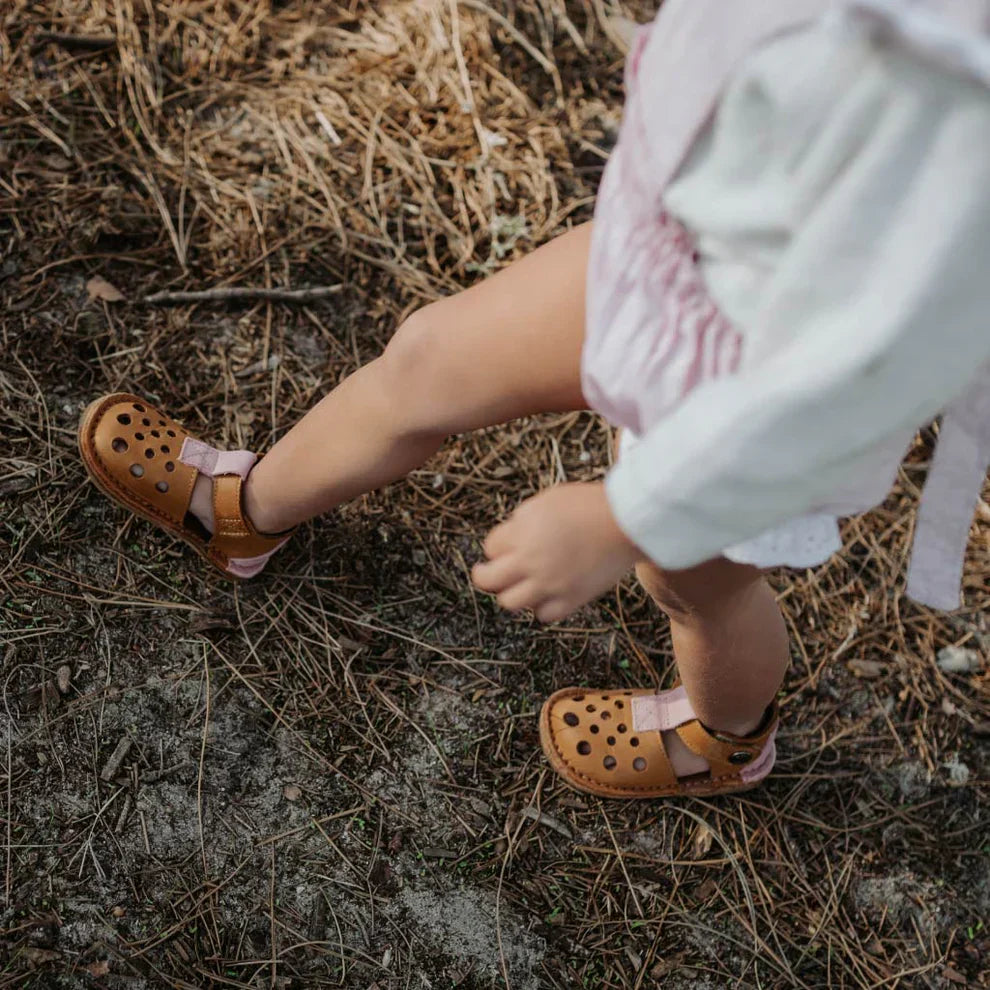
Sandals should not be completely flat, loose, or difficult to control. Podiatrists often prefer sandals with a contoured footbed, a stable sole, and adjustable straps.
Avoid walking long distances in flip-flops. They require your toes to grip the sole, which may increase fatigue and alter your stride.
For dress shoes, choose:
• A wider toe shape
• A low, broad heel
• A cushioned or supportive insole
• Soft materials that do not rub
• A secure strap or fastening
Save high heels and narrow shoes for short periods when possible. Change into comfortable shoes for commuting, walking, or standing.
A practical shoe-buying checklist
Before you buy, ask yourself:
• Does the shoe fit the wider foot?
• Can I move all my toes?
• Is there enough length in front?
• Does my heel stay in place?
• Does the shoe bend near the toes?
• Does it resist twisting in the middle?
• Can I wear my usual socks or orthotics?
• Does it match my main activity?
• Do I feel pressure anywhere?
If you answer no to any key fit question, try another style. A different size may not solve a shape problem.
A useful lesson from many shoe fittings is that people often choose the shoe they like visually and then try to make their feet tolerate it. The better method is to start with your feet and find a shoe that respects their shape.
When to see a podiatrist
Shoes can improve comfort, but they cannot solve every cause of foot pain. Consider a podiatry visit if symptoms last more than a few weeks, keep returning, or affect how you walk.
You should seek professional advice sooner if you have diabetes, poor circulation, numbness, a history of ulcers, or a recent injury.
A podiatrist can assess your walking pattern, joint movement, skin, nerves, footwear, and overall foot structure. They may suggest exercises, activity changes, inserts, physical therapy, or medical treatment in addition to new shoes.

Frequently Asked Questions About What Shoes Do Podiatrists Recommend
What brand of shoes do podiatrists recommend most?
Podiatrists usually focus on shoe features rather than one brand. A good shoe has a comfortable fit, a roomy toe box, a stable heel, useful cushioning, and support suited to your activity.
Are running shoes good for everyday walking?
Running shoes can work well for daily walking because they often provide cushioning and support. However, choose a pair that fits your foot and does not feel unstable, overly soft, or too narrow.
What shoes do podiatrists recommend for plantar fasciitis?
Many podiatrists recommend shoes with a supportive midsole, stable heel, cushioned heel area, and slight heel-to-toe drop. Avoid walking barefoot on hard floors if that clearly increases your symptoms.
Are memory foam shoes good for your feet?
Memory foam can improve comfort, but it does not always provide enough structure or stability. Check the entire shoe, including the heel counter, midsole, toe box, and outsole.
What shoes are best for bunions?
Shoes with a wide, deep, rounded toe box and a soft upper are usually more comfortable for bunions. Avoid pointed toes and stiff materials that press against the bunion.
Should shoes hurt while you break them in?
No. A shoe should feel comfortable when you first wear it. Minor material stiffness may improve, but pain, numbness, blisters, or toe pressure are signs that the fit is wrong.
Do podiatrists recommend arch support for everyone?
No. Arch support is helpful for some people but unnecessary or uncomfortable for others. The right level depends on your foot shape, symptoms, activity, and any underlying condition.
Conclusion
The shoes podiatrists recommend are not defined by one brand or one style. They usually have a roomy toe box, stable heel, supportive midsole, flexible forefoot, secure fit, and cushioning suited to your activity.
Start with your foot shape and daily needs. Try shoes on later in the day, walk in them before buying, and replace pairs when their support or tread breaks down. If pain continues, do not keep guessing with footwear alone. Ask a podiatrist for a personal assessment, then use these tips to make your next shoe purchase more comfortable and informed.

Michael Smith is the Content Strategist behind The Style Hub, where fashion meets function. With a keen eye for trends and a passion for everyday style, he curates content that helps readers make smarter, more stylish choices—from the perfect pair of sneakers to must-have accessories. Michael specializes in breaking down fashion into practical, wearable insights, making style accessible for everyone. When he’s not researching the latest trends, he’s exploring how comfort, innovation, and timeless design come together in modern fashion.