Which Brooks Shoe Is Best For Me: Find Your Perfect Pair
The best Brooks shoe for you depends on your foot shape, running style, comfort needs, and the support your stride requires.
Choosing the right pair can feel confusing because Brooks offers shoes for neutral runners, overpronators, walkers, trail users, speedwork, and long-distance training. After comparing cushioning systems, heel-to-toe drops, support features, and real-world fit patterns, I can help you narrow down the answer to “which Brooks shoe is best for me?” with a simple, practical process. The goal is not to pick the most popular model. It is to find the shoe that feels stable, comfortable, and natural under your feet.
How to Choose the Best Brooks Shoe for You
The answer to “which Brooks shoe is best for me?” starts with four questions:
• Where will you use the shoes? Road, treadmill, trail, work, or casual walking all need different designs.
• Do you need neutral cushioning or added support? Your comfort and movement matter more than a label.
• How much cushioning feels right? Some people like a soft, plush ride. Others prefer a firm and responsive feel.
• What shape and size fit your feet? A great shoe will not work if it squeezes your toes or lets your heel slip.
Brooks separates its running shoes into two main groups: neutral shoes and support shoes. Neutral models allow your foot to move naturally without added stability features. Support models use design elements that may help guide excessive inward rolling, often called overpronation.
That does not mean every runner who pronates needs a support shoe. Pronation is a normal part of walking and running. A professional fitting, comfort testing, or a gait assessment can offer better guidance than looking at your arch height alone.
When asking “which Brooks shoe is best for me?”, think of the shoe as a tool. A hammer may be excellent, but it is not the right tool for every job. In the same way, a soft daily trainer may be ideal for easy miles but feel too heavy for fast workouts.
Brooks Shoe Categories at a Glance
Here is a simple overview of the main Brooks shoe families.
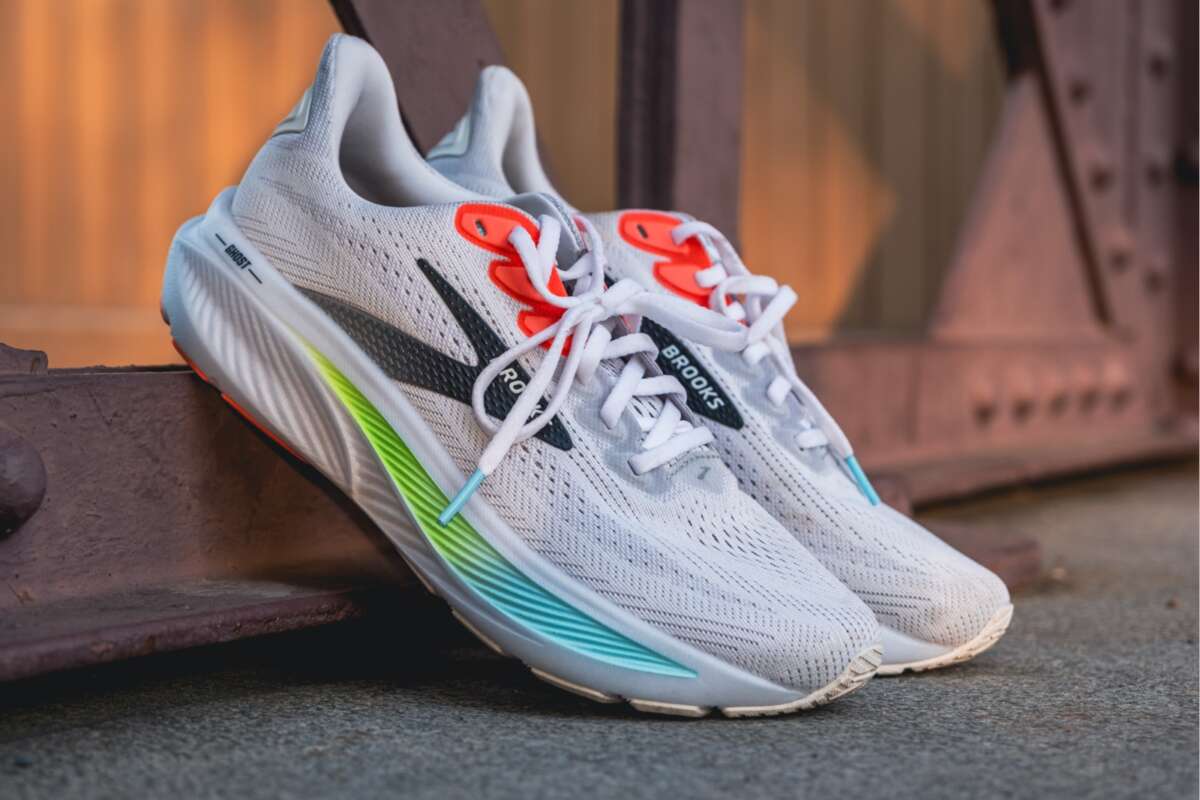
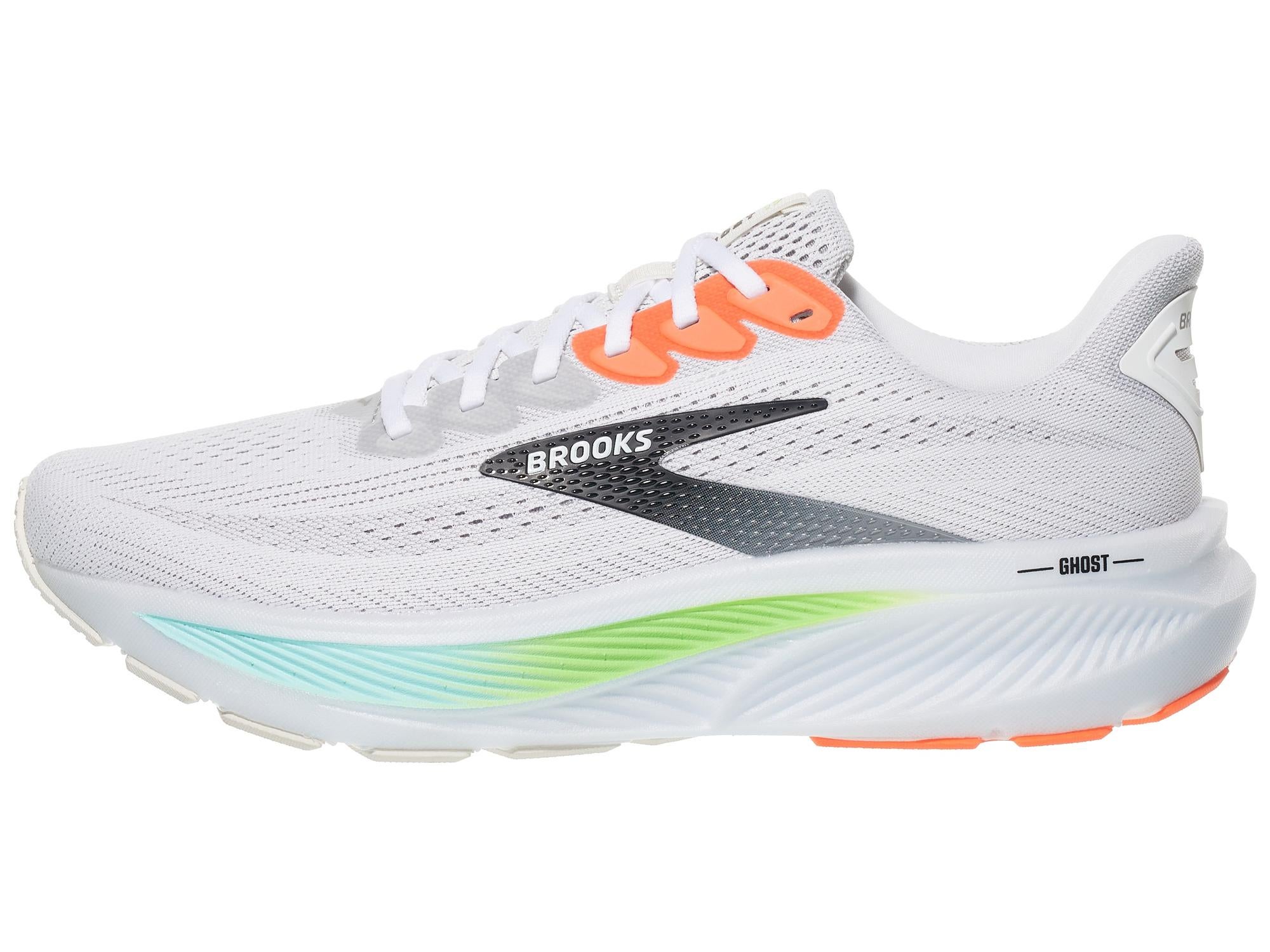
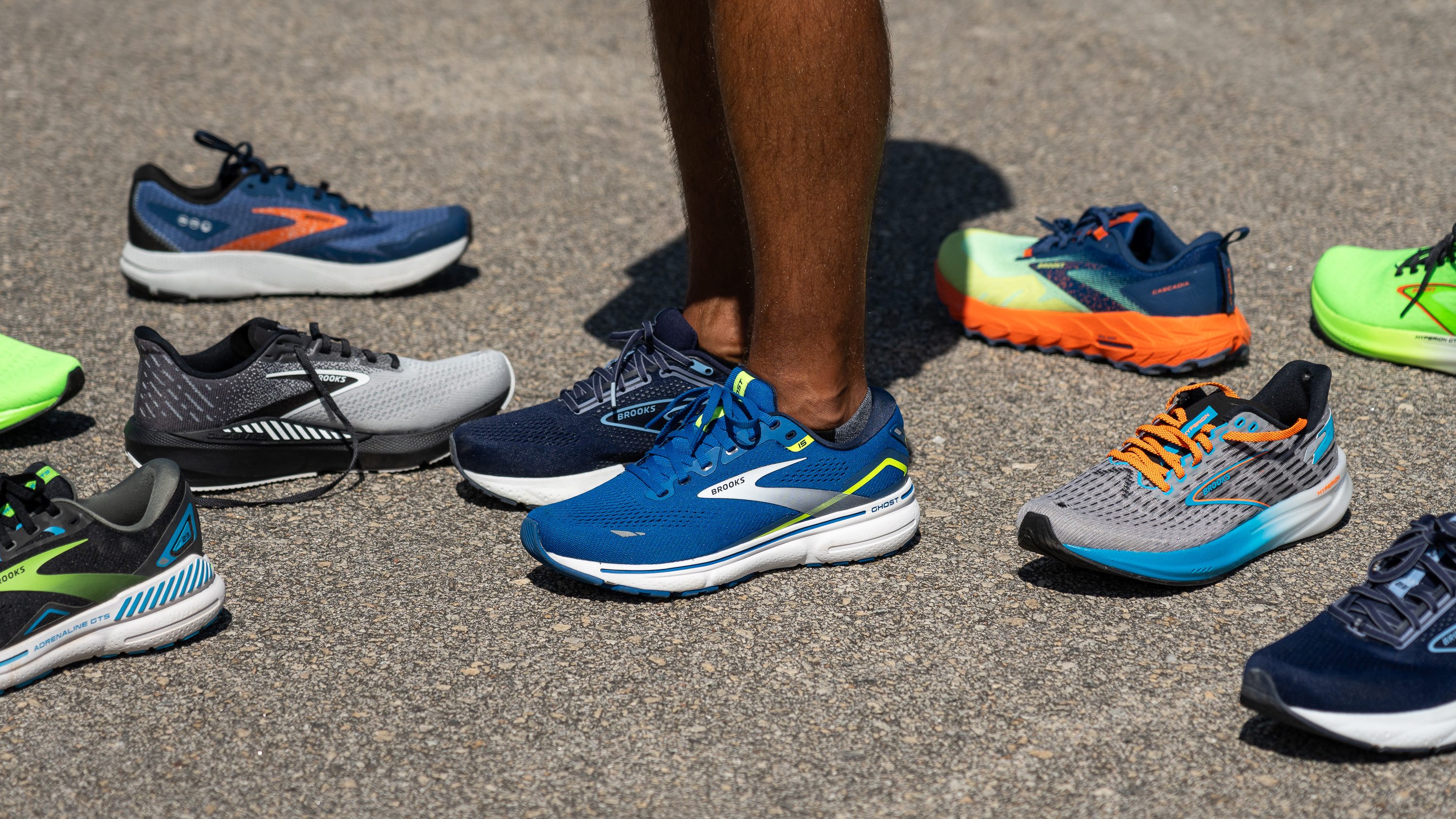
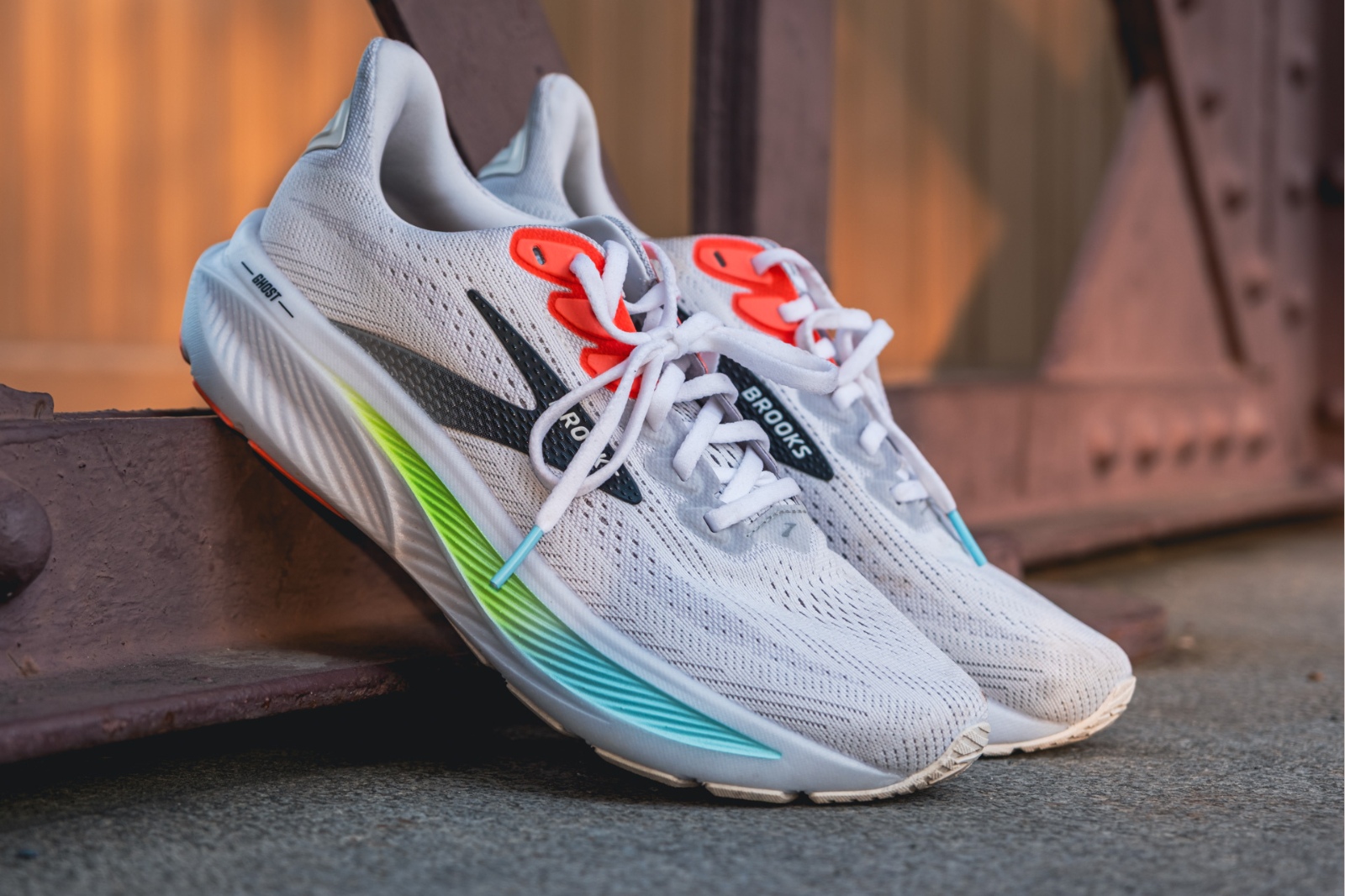
• Brooks Ghost: A versatile neutral road shoe for daily running, walking, and general training.
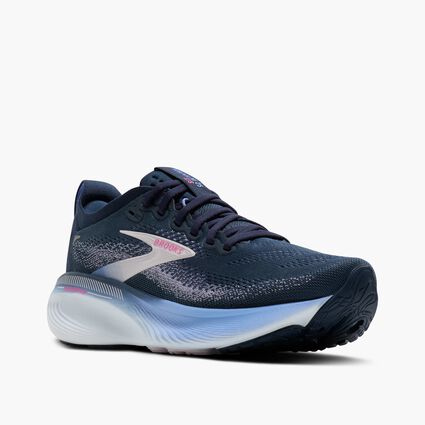
• Brooks Glycerin: A highly cushioned neutral shoe for runners who want a soft, comfortable ride.
• Brooks Adrenaline GTS: A popular support shoe for daily miles, walking, and runners who prefer guided stability.
• Brooks Launch: A lighter and more responsive shoe for faster training and short runs.
• Brooks Hyperion: A speed-focused shoe for workouts and racing, depending on the specific version.
• Brooks Addiction: A supportive option with a roomy fit that may suit walkers and runners who want strong stability.
• Brooks Beast and Ariel: Structured stability shoes designed for people who need substantial support, although availability and fit may vary by version.
• Brooks Cascadia: A trail shoe with more grip and protection for dirt paths, rocks, and uneven ground.
Brooks updates models often. A newer version may feel different from an older one, even if the name stays the same. Always check the current product details and try the shoe on before buying when possible.
If you want a safe starting point, the Ghost is often the easiest neutral model to consider. For more cushioning, look at the Glycerin. For added support, the Adrenaline GTS is a common first choice.
Which Brooks Shoe Is Best for Neutral Runners?
The Brooks Ghost is usually the best starting point for neutral runners who want one shoe for many activities. It offers balanced cushioning, a smooth transition, and a familiar road-running feel. It also works well for many walkers who want more comfort than a basic lifestyle sneaker.
The Glycerin is better for runners who want a softer, more cushioned experience. It can feel comfortable during long easy runs, recovery days, and extended walks. The trade-off is that it may feel less lively than a lighter training shoe.
Consider the Launch if you want a lighter shoe with a quicker feel. It may suit short runs, gym sessions, and faster workouts. However, runners who need maximum cushioning may find it less comfortable for long days.
The answer to “which Brooks shoe is best for me?” may be the Ghost if you want balance, the Glycerin if you want softness, or the Launch if you want speed. Your preferred feel matters as much as technical specifications.

Best Brooks Shoes for Neutral Feet
Choose based on your main goal:
• Best all-purpose option: Brooks Ghost
• Best for soft cushioning: Brooks Glycerin
• Best for a lighter feel: Brooks Launch
• Best for speed sessions: Brooks Hyperion
• Best for trails: Brooks Cascadia
A neutral shoe does not correct your stride. That is often a benefit because many runners prefer a free and natural feel. It may also reduce the chance of buying more support than you actually need.
Still, neutral does not mean unstable. A well-fitting neutral shoe can feel secure when the width, heel hold, and cushioning match your foot.
Which Brooks Shoe Is Best for Overpronation?
The Brooks Adrenaline GTS is often the best first option for runners who want moderate support. Its GuideRails system is designed to provide support around the heel and sides of the foot without forcing a dramatic change in motion.
The Addiction offers a more structured feel and may suit people who want strong stability or a roomier platform. It can be useful for walking and standing, but its heavier build may not appeal to runners who prefer a fast, light shoe.
The Beast is traditionally designed as a high-support men’s model, while the Ariel is commonly positioned as a high-support women’s model. These shoes may help people who need more guidance, but they should feel comfortable from the first fitting. More support is not automatically better.
When deciding “which Brooks shoe is best for me?”, do not diagnose your gait from worn shoe soles alone. Uneven wear can come from many factors, including foot shape, road slope, running form, and shoe construction.

Signs You May Prefer a Support Shoe
A support model may be worth trying if:
• Your feet feel tired or unstable in neutral shoes.
• You prefer a guided sensation under your arch or heel.
• A qualified running specialist recommends added stability.
• You often feel more comfortable in structured shoes.
• You need a broad, stable base for walking or standing.
A support shoe should not cause arch pressure, numbness, rubbing, or pain. If it does, the shoe may be too structured, too narrow, or simply not right for your foot.
Which Brooks Shoe Is Best for Walking?
The Ghost, Glycerin, and Adrenaline GTS are popular Brooks choices for walking. The best option depends on whether you want a neutral feel, soft cushioning, or extra guidance.
The Ghost works well for daily walking because it has balanced cushioning and a smooth sole. The Glycerin may feel better if you spend many hours on your feet or prefer a plush step. The Adrenaline GTS may suit walkers who feel better in a supportive shoe.
For work, travel, or long periods of standing, comfort and fit should come first. Look for enough toe room, a secure heel, and cushioning that does not make your feet feel unstable.
The answer to “which Brooks shoe is best for me?” can change when your activity changes. A shoe that feels perfect for a 30-minute walk may not provide enough grip or protection for a hiking trip.

Which Brooks Shoe Is Best for Flat Feet?
People with flat feet can wear either neutral or support shoes. Arch height alone does not determine which design will feel best. Some runners with low arches feel comfortable in the Ghost or Glycerin, while others prefer the Adrenaline GTS.
If your feet roll inward and you also notice fatigue, discomfort, or poor control, testing a support shoe may make sense. If a neutral shoe feels smooth and comfortable, there is no rule saying you must switch.
Try both types if possible. Walk, jog, and stand in each pair for several minutes. Pay attention to pressure under the arch, heel movement, toe room, and how naturally your foot moves.
A physical therapist or qualified shoe specialist can help if you have persistent pain. Shoes may improve comfort, but they cannot treat every foot or lower-leg problem.
:max_bytes(150000):strip_icc()/shp-half-marathon-gear-sep-24-test-brooks-womens-adrenaline-gts-23-jthompson-1628-6c2e226486d2411b8c59eb75d6f8d693.jpeg)
Which Brooks Shoe Is Best for Wide Feet?
Brooks offers several models in wide and extra-wide sizes. The Ghost, Glycerin, and Adrenaline GTS are commonly available in multiple widths, though options can change by color, size, and release.
A wide shoe should give your toes room to spread without allowing your heel to slide. Many people mistakenly buy a longer shoe when they actually need a wider one. That can create heel movement and toe drag.
Use this fit checklist:
• Your longest toe should have about a thumb’s width of space in front.
• Your toes should not touch the upper or press against each other.
• Your heel should stay in place when you walk.
• The upper should not create pressure across the widest part of your foot.
• Your foot should not spill over the edge of the midsole.
If you have bunions, high-volume feet, or swelling, try shoes later in the day. Feet often expand after hours of walking or standing.
How Brooks Cushioning and Heel-to-Toe Drop Affect Comfort
Cushioning changes how a shoe feels under your foot. Soft cushioning can reduce the harsh sensation of pavement, while firmer cushioning may feel more stable and responsive. Neither option is best for everyone.
Heel-to-toe drop refers to the height difference between the heel and forefoot. A higher drop may feel comfortable to people who like more heel cushioning or who are used to traditional running shoes. A lower drop may create a more level feeling.
Do not change to a very different drop overnight. A sudden change can place new demands on your calves, Achilles tendon, or feet. Transition slowly by wearing the new shoe for short walks or easy runs first.
My practical lesson from comparing running shoes is simple: comfort predicts success better than marketing language. A shoe can have advanced foam and impressive design features, but if your feet feel cramped after ten minutes, it is the wrong choice.

A Simple Way to Test Brooks Shoes
Use this process when deciding “which Brooks shoe is best for me?”
-
Shop later in the day when your feet are slightly larger.
-
Wear the socks you normally use for running or walking.
-
Try both shoes and loosen the laces before tightening them evenly.
-
Walk for several minutes and, if allowed, jog or use a treadmill.
-
Check your toes, arch, heel, and the outside edge of your foot.
-
Compare at least one neutral model and one support model if you are unsure.
-
Keep the pair indoors until you are certain about the fit.
A new shoe may feel different from your old pair, but it should not cause sharp pain, numbness, blisters, or strong pressure. “Breaking in” should mean becoming familiar with the shoe, not enduring injury.
Check the return policy before purchasing. Fit advice is useful, but no online guide can predict exactly how a shoe will feel on your feet.
Common Mistakes to Avoid
One common mistake is choosing a shoe only because it has the most cushioning. Extra foam may feel pleasant at first, but it can also feel bulky or unstable for some runners.
Another mistake is assuming that pain always means you need more support. Pain may come from training too quickly, poor recovery, worn-out shoes, a medical issue, or an incorrect size.
People also forget to consider their main activity. Road shoes are not designed for every trail. Lightweight speed shoes may not be the best choice for standing all day.
Avoid buying based only on gender labels. Men’s and women’s versions may differ in width, shape, and volume, but your feet decide which model fits best. Try the option that gives you the most secure and comfortable fit.
How Long Do Brooks Shoes Last?
Many running shoes last roughly 300 to 500 miles, but this is only a general guide. Your body weight, running surface, pace, shoe model, and running style all affect wear.
Replace your shoes when you notice:
• Flattened or uneven cushioning
• New aches after normal runs
• Worn outsole rubber
• A tilted or compressed midsole
• Less stability than before
Walkers may use a pair for more time because walking places different demands on the shoe. However, time alone does not tell the full story. A shoe stored in heat or used daily may lose performance sooner.
Track mileage if you run often. If you do not track distance, pay attention to changes in comfort and how the midsole looks and feels.
Frequently Asked Questions About Which Brooks Shoe Is Best for Me
Is Brooks Ghost or Adrenaline better for me?
The Ghost is a neutral shoe, while the Adrenaline GTS provides guided support. Choose the Ghost if you prefer natural movement and the Adrenaline if you feel more comfortable with structured stability.
Is Brooks Glycerin good for walking?
Yes, the Glycerin can be a comfortable walking shoe for people who like soft cushioning. Its plush feel may be especially appealing for long walks or extended periods of standing.
Which Brooks shoe is best for beginners?
The Brooks Ghost is often a strong beginner option because it offers balanced cushioning and a versatile design. Beginners who prefer extra guidance can try the Adrenaline GTS.
Do flat feet require Brooks support shoes?
No, flat feet do not automatically require a support shoe. Comfort, movement, and symptoms matter more than arch height alone.
How do I know if my Brooks shoes fit correctly?
Your toes should have room to move, your heel should stay secure, and the upper should not press on your foot. Walk for several minutes and watch for rubbing, numbness, or sharp pressure.
Can I use Brooks running shoes for everyday walking?
Yes, many Brooks running shoes work well for daily walking. The Ghost, Glycerin, and Adrenaline GTS are common choices, but the best one depends on your preferred cushioning and support.
Conclusion
The answer to “which Brooks shoe is best for me?” depends on your activity, foot shape, comfort preference, and need for support. Choose the Ghost for balanced neutral cushioning, the Glycerin for a softer ride, the Adrenaline GTS for guided stability, the Launch or Hyperion for speed, and the Cascadia for trails.
Start with fit, not hype. Try the shoe with your usual socks, leave enough room for your toes, and walk or run before making a final choice. If pain continues, speak with a health professional rather than relying on footwear alone.
Use this guide to compare your top Brooks options, test them carefully, and choose the pair that feels natural from the first step.

Michael Smith is the Content Strategist behind The Style Hub, where fashion meets function. With a keen eye for trends and a passion for everyday style, he curates content that helps readers make smarter, more stylish choices—from the perfect pair of sneakers to must-have accessories. Michael specializes in breaking down fashion into practical, wearable insights, making style accessible for everyone. When he’s not researching the latest trends, he’s exploring how comfort, innovation, and timeless design come together in modern fashion.