A woman in the United States may own several pairs of shoes for the same reason many people own different jackets, tools, or hobbies: each pair serves a different need. Shoes can protect the feet, support movement, complete an outfit, express identity, and create a sense of confidence.
The idea that women “like shoes so much” is also a broad stereotype. Many women are not highly interested in shoes, while many men are. Still, research on clothing, identity, consumer behavior, and social expectations helps explain why shoes often receive special attention in women’s fashion.
The short answer is that shoe interest usually comes from a mix of function, self-expression, social meaning, habit, and emotional reward. No single cause explains every woman’s preferences.
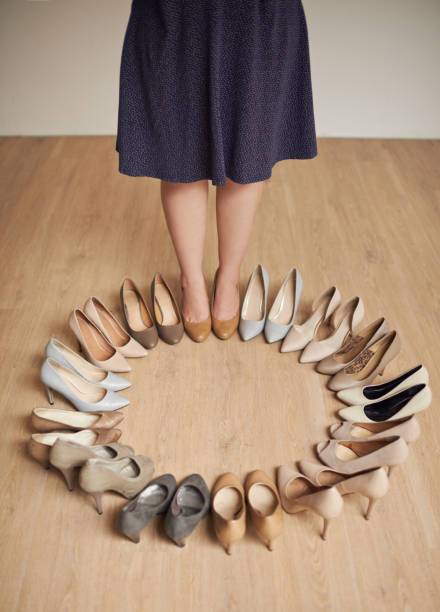
Why do women like shoes so much?
Women may like shoes because footwear has a strong effect on an outfit while taking up less space than many other clothing items. A new pair can change the look of jeans, a dress, a work outfit, or athletic clothing without replacing the entire wardrobe.
Shoes also sit at the meeting point of fashion and function. A person may need one pair for work, another for exercise, another for bad weather, and another for formal events. This creates more practical reasons to own several pairs.
The common stereotype has roots in marketing and social norms, not just personal taste. Fashion advertising has long presented shoes as symbols of beauty, status, femininity, and personal success. Those messages can shape interest over time, especially when people receive them from childhood.
The main reasons at a glance
| Reason | What shoes can provide | Example |
|---|---|---|
| Function | Protection, grip, support, and comfort | Boots for snow or walking shoes for daily use |
| Style | A way to change an outfit | Bright shoes with a simple outfit |
| Identity | A signal of taste or group belonging | Running shoes, work boots, or designer styles |
| Confidence | A feeling of readiness or polish | Formal shoes before a presentation |
| Variety | Options for different settings | Shoes for work, sports, travel, and events |
| Social influence | Connection to trends and communities | Sneaker culture or fashion media |
This does not mean every pair creates a deep emotional response. Often, the reason is simple: the shoe fits the activity, works with the clothes, or solves a real problem.

Shoes combine fashion and practical use
Shoes are useful because they must do a job before they can be decorative. They protect the feet from heat, cold, rough ground, water, and impact. They can also improve traction and make movement easier in certain settings.
Different activities call for different footwear. A person who walks to work may need supportive shoes. Someone who lives in a snowy area may need insulated boots. Someone who attends formal events may want dress shoes that match the setting.
This practical variety can make a shoe collection grow without being purely emotional. A closet may contain several pairs because each pair has a different role.
Common shoe roles
- Daily shoes: Used for errands, work, or routine movement.
- Athletic shoes: Made for activities such as running, training, or court sports.
- Weather shoes: Designed for rain, snow, cold, or wet ground.
- Work shoes: Chosen for dress codes, long shifts, or job-specific safety needs.
- Formal shoes: Worn for weddings, ceremonies, interviews, or other events.
- Casual shoes: Used for comfort and everyday style.
- Specialty shoes: Made for hiking, dance, cycling, medical needs, or other activities.
The American Podiatric Medical Association advises consumers to consider fit, purpose, and comfort when choosing shoes. A stylish pair that causes pain may not be a good choice for long wear.
That trade-off matters. Fashion can influence a purchase, but comfort, fit, and safe use should guide how long and where someone wears the shoes.

Shoes help people express identity
Clothing is one way people communicate without speaking. Shoes can carry a similar message because they are visible, easy to notice, and linked to activities and social groups.
For example, running shoes may suggest an interest in fitness. Work boots may reflect a job, lifestyle, or preference for rugged clothing. Certain sneakers may connect a person to music, sports, streetwear, or collecting communities.
This does not mean observers can accurately judge a person from their shoes. A fashion choice is a signal, not a complete biography. People may wear a style because it is comfortable, affordable, required at work, or simply available.
Research in clothing psychology supports the idea that clothing can affect both how people are seen and how they feel. A well-known study by Hajo Adam and Adam Galinsky found that the meaning people attach to clothing can affect behavior and self-perception. The study focused on a lab coat, not shoes, so it should not be treated as proof that every pair of shoes changes behavior. It does support a broader point: clothing can carry psychological meaning.
Shoes may feel especially powerful because they can alter posture, height, movement, and the visual balance of an outfit. That effect is part of the appeal for some people.
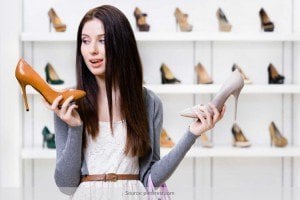
Shoe shopping can offer emotional rewards
Shopping can be more than a search for an object. It can also involve anticipation, discovery, control, and reward. These feelings may make shoe shopping enjoyable for some women, just as technology shopping, sports collecting, or car shopping can be enjoyable for other people.
A purchase may also mark a life event. Someone may buy shoes for a new job, a wedding, a trip, a graduation, or a change in personal style. The shoes then become linked to a memory or goal.
Some popular explanations claim that women buy shoes because shopping causes a simple “dopamine rush.” That statement is too broad. Dopamine is involved in reward learning and motivation, but human shopping behavior is complex. A single chemical does not explain why one person loves shoes and another does not.
A more accurate explanation is that shopping can combine:
- Anticipation before the purchase
- The pleasure of finding a desired style
- Relief from solving a practical need
- Social approval or compliments
- A sense of control over personal appearance
- Enjoyment of collecting or comparing options
These rewards can reinforce the habit. If buying a certain type of shoe repeatedly feels useful or satisfying, a person may become more interested in that category.
That interest is not automatically a problem. It becomes concerning when spending causes debt, secrecy, conflict, distress, or difficulty meeting basic needs.

Social expectations shape interest in women’s footwear
Women’s shoes are often linked to appearance, grooming, and femininity in American culture. These ideas are learned through family, media, advertising, workplaces, and peer groups.
From an early age, many girls see fashion presented as a way to gain approval or show maturity. Women may also face more pressure than men to vary their appearance across work, social, and formal settings. That pressure can increase attention to shoes.
Workplace expectations may play a role as well. A person may feel that certain shoes look more professional, polished, or appropriate for a specific dress code. In some workplaces, women have historically faced stronger appearance rules than men.
These pressures do not mean women lack free choice. They show that personal taste develops within a social environment. A woman may genuinely enjoy fashion while also responding to expectations around attractiveness, status, or professionalism.
The same social forces can create discomfort. High heels, narrow toe boxes, and stiff materials may look fashionable but can cause pain or restrict movement. A person should not feel required to accept pain to appear professional or feminine.
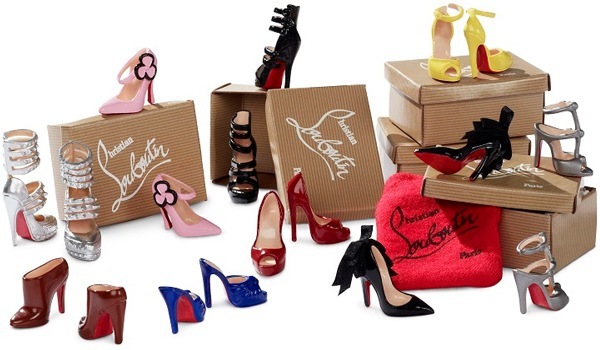
Why shoes can feel connected to confidence
Shoes can influence confidence in several practical ways. A pair may fit well, match an outfit, meet a dress code, or help someone feel prepared for an event.
This effect may come from both appearance and expectation. If someone believes a pair makes them look polished, they may stand taller, feel less self-conscious, or focus more on the task ahead. The shoe does not create confidence by itself. The meaning attached to it may affect the wearer’s experience.
There is also a simple preparation effect. Choosing clothes and shoes before an important event can create a sense of readiness. A person may feel more organized because the outfit is complete.
Confidence should not be confused with comfort or health. A shoe that looks good but causes blisters, numbness, or foot pain may reduce confidence over time. The best choice depends on the event, the fit, the walking distance, and the wearer’s health needs.
For long periods of standing or walking, practical fit usually matters more than a trend. Feet can change in size and shape during the day, so trying shoes on later in the day may provide a more realistic fit.
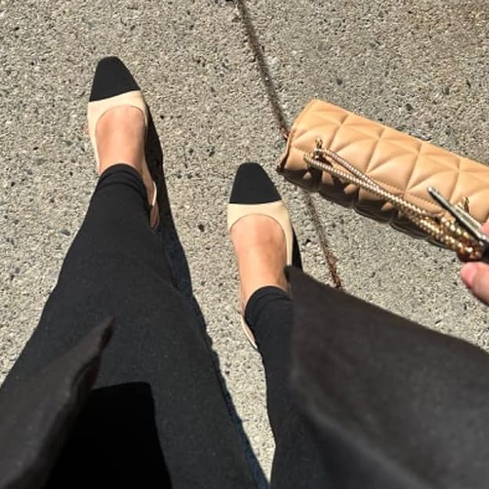
Why some women collect shoes
Some women collect shoes because collecting adds structure and meaning beyond ordinary ownership. A collection may focus on a brand, color, sport, era, designer, material, or cultural style.
Collectors often enjoy:
- Searching for a specific item
- Comparing design details
- Tracking limited releases
- Preserving items in good condition
- Connecting with other collectors
- Displaying objects that reflect personal taste
Sneaker collecting, for example, has communities built around design, sports history, music, streetwear, and limited availability. Similar patterns appear in handbags, watches, books, records, and art.
Scarcity can increase interest. When people believe an item is hard to obtain, they may value it more. That does not prove the item is better. It means availability can affect perceived value.
Collecting is generally harmless when it fits a person’s budget and space. A useful rule is to ask whether the collection brings lasting value or only short-term excitement. Planned purchases, storage limits, and a clear budget can help keep the hobby manageable.
Why high heels attract attention
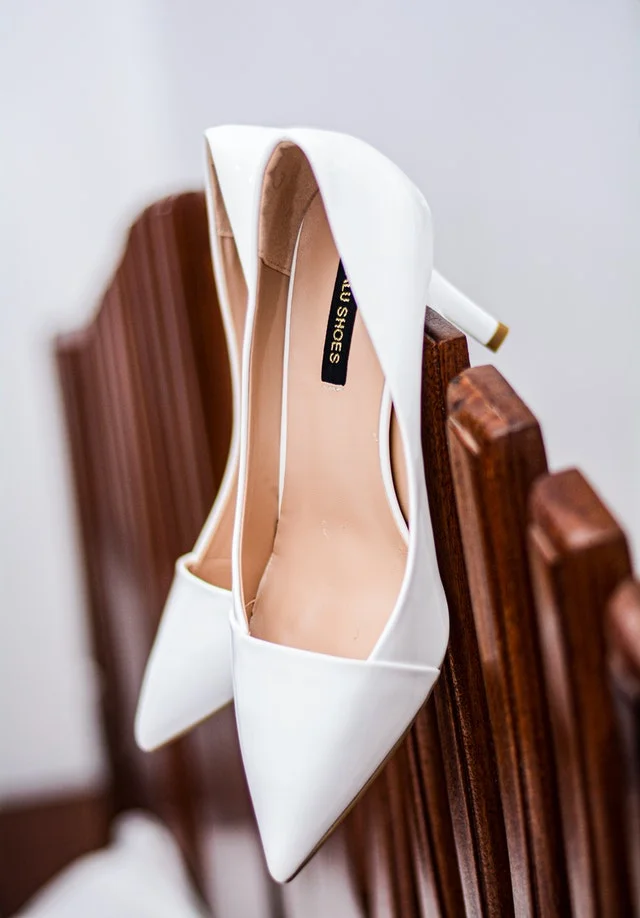
High heels change height, posture, stride, and the shape of the lower leg. Those changes can make them visually distinctive and help explain why heels receive so much attention in fashion.
Some women like heels because they fit a formal dress code or create a specific look. Others like the feeling of height or the way heels change an outfit. Many do not like them at all.
Heels also have clear trade-offs. They can place more pressure on the front of the foot and may make balance harder. The effect depends on heel height, shoe shape, time worn, walking surface, and the person’s foot structure.
A 2015 systematic review in BMC Public Health found an association between high-heel use and several types of musculoskeletal problems. The review also noted limits in the available research, including differences in study design and shoe use. It does not mean every person who wears heels will develop an injury.
To reduce discomfort, a wearer can:
- Choose a stable heel and a secure fit.
- Avoid shoes that pinch the toes.
- Use lower heels for long walking or standing.
- Change shoes when pain begins.
- Avoid driving in shoes that limit safe control of the pedals.
- Seek medical advice for ongoing pain, numbness, swelling, or injury.
Style is a valid reason to wear heels, but pain is not a requirement of style.
Do women really like shoes more than men?
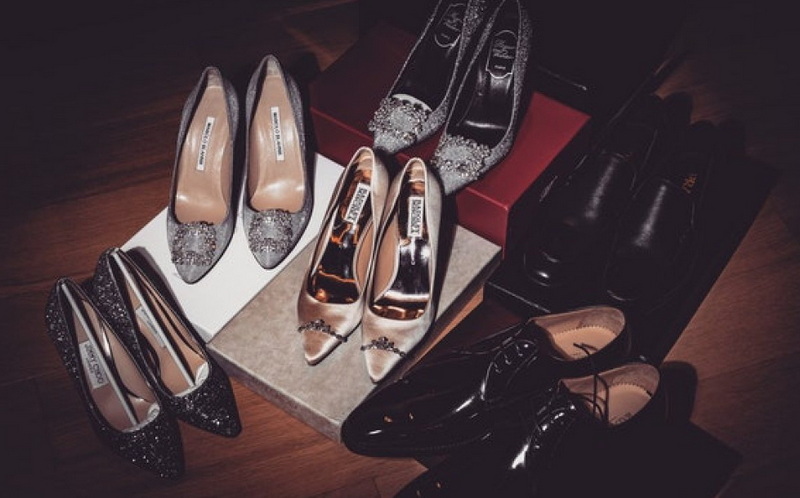
There is no simple rule that women like shoes more than men. Interest varies widely within every gender.
Women may appear more interested because women’s fashion has traditionally offered more shoe styles and because advertising targets women heavily. Women may also face more situations in which footwear is treated as part of a complete outfit.
Men can be equally interested in sneakers, boots, dress shoes, sports footwear, or rare releases. In those cases, the interest may be described as collecting, gear, sports culture, or fashion rather than as “liking shoes.”
The label changes, but the basic behavior can be similar: people use objects to express taste, join a group, solve a need, or enjoy collecting.
It is better to ask what a person values in footwear than to assume the reason from gender.
How to tell healthy shoe interest from a shopping problem
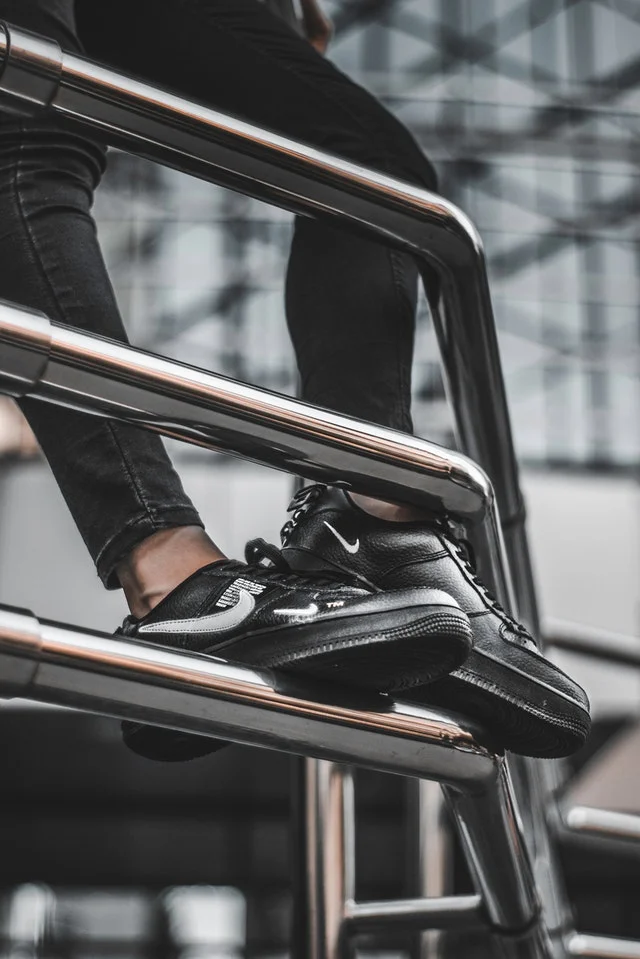
Liking shoes is not a mental health disorder. Ownership becomes a concern when it causes meaningful harm or loss of control.
Possible warning signs include:
- Repeated purchases despite serious financial strain
- Hiding purchases from a partner or family member
- Buying shoes mainly to manage distress
- Feeling unable to stop shopping
- Leaving bills or basic needs unpaid
- Severe clutter or unused items taking over living space
- Strong shame or anxiety after buying
These signs do not provide a diagnosis. They indicate that a person may benefit from support. A licensed mental health professional or a financial counselor can help, depending on the main problem.
A simple first step is to track shoe spending for 30 days. Include the price, taxes, shipping, returns, and any care or storage costs. Then compare the total with the household budget and the actual use of each purchase.
How to choose shoes without overspending or hurting your feet
A practical buying process can preserve the fun while reducing waste and discomfort.
- Name the purpose. Decide whether the shoes are for work, walking, exercise, weather, an event, or style.
- Check your existing pairs. Look for a real gap instead of buying a duplicate.
- Set a full-cost budget. Include shipping, care, inserts, alterations, and return costs.
- Try both shoes on. Feet may differ in size, and fit can change during the day.
- Walk on a safe surface. Check for slipping, rubbing, pressure, and poor balance.
- Match the shoe to the activity. Dress shoes are not a substitute for athletic shoes during exercise.
- Use a return window carefully. Follow the seller’s rules and test shoes indoors when required.
- Plan storage. A pair that has no practical place to stay may become clutter.
- Track wear. Replace shoes when the sole, cushioning, structure, or fit no longer supports the intended use.
For athletic shoes, activity and fit matter more than color or brand reputation. For work shoes, consider the floor, standing time, dress code, and safety rules. For formal shoes, consider how far you must walk and whether you can change into a more comfortable pair later.

Common myths about women and shoes
Myth: All women love shopping for shoes
Many women dislike shopping or prefer to spend money on other things. Shoe interest is personal, not universal.
Myth: Women buy shoes only for attention
Appearance can matter, but so can comfort, work, weather, sport, culture, and personal pleasure. Assuming one motive oversimplifies the decision.
Myth: Expensive shoes are always better
Price may reflect materials, labor, design, or branding. It does not guarantee a good fit, comfort, durability, or value for a specific wearer.
Myth: Pain proves that a shoe is fashionable
Pain is a warning sign, not evidence of quality. A fashionable shoe can still be poorly made or unsuitable for long wear.
Myth: Owning many pairs means someone is careless with money
A large collection may fit a person’s budget and lifestyle. The relevant questions are affordability, use, storage, and control.
FAQs about women and shoes
Is liking shoes a form of vanity?
Not necessarily. Shoes can support health, work, movement, identity, creativity, and comfort. Appearance is only one possible reason.
Why do shoes affect an outfit so much?
Shoes sit at the base of the body and influence color balance, formality, silhouette, and the way a person moves. A change in footwear can make the same clothing look casual, athletic, formal, or bold.
Why do women buy shoes they rarely wear?
Possible reasons include impulse, emotional reward, a special-event plan, changing style, poor fit, or unrealistic expectations about future use. Tracking cost per wear can reveal whether a purchase delivers value.
Are women’s shoes less comfortable by design?
Some styles place appearance above comfort, but women’s shoes are not all alike. Comfort depends on shape, materials, fit, construction, activity, and individual foot needs.
How many pairs of shoes should a woman own?
There is no universal number. A useful collection covers regular activities, weather, work or school, exercise, and occasional events while staying within the person’s budget and storage limits.

Conclusion
Women may like shoes because footwear offers an unusual mix of practical value and personal meaning. Shoes protect the feet, support movement, complete outfits, express identity, and may help the wearer feel ready or confident.
Culture and marketing can increase attention to women’s footwear, but they do not explain every individual. Some women collect shoes, some buy only what they need, and some have little interest in shoes at all.
The best way to understand someone’s shoe choices is to look at the real reason behind them: function, style, comfort, identity, work, sport, memory, or simple enjoyment. If shoe shopping remains affordable and footwear remains comfortable and safe, there is nothing unusual about enjoying it.

Michael Smith is the Content Strategist behind The Style Hub, where fashion meets function. With a keen eye for trends and a passion for everyday style, he curates content that helps readers make smarter, more stylish choices—from the perfect pair of sneakers to must-have accessories. Michael specializes in breaking down fashion into practical, wearable insights, making style accessible for everyone. When he’s not researching the latest trends, he’s exploring how comfort, innovation, and timeless design come together in modern fashion.