To join a shoe wear-testing program in the United States, find a real brand, lab, retailer, or research panel that accepts testers, complete its profile, and apply for tests that match your shoe size, activity, and location. If selected, you usually wear the shoes as instructed, record feedback, and return the pair when asked.
Most programs do not accept every applicant. They choose testers based on factors such as foot size, age, activity, location, injury history, and the type of shoe under review.

What Is a Shoe Wear-Testing Program?
A shoe wear-testing program gives selected people shoes to use in real-world conditions. The tester then reports on fit, comfort, grip, durability, support, and other product traits.
Programs may test:
- Running shoes
- Walking shoes
- Trail shoes
- Work boots
- Hiking boots
- Basketball shoes
- Soccer cleats
- Training shoes
- Casual footwear
- Safety shoes
Some programs are run by shoe brands. Others are managed by testing firms, universities, retailers, or research groups.
A wear test is not the same as a product review. A brand may ask for private feedback instead of a public rating. You may also need to follow a set schedule, track miles, or answer surveys after each use.
Where to Find Shoe Wear-Testing Programs in the USA
The best place to start is the official website of a shoe brand or research company. Search for pages named wear testing, product testing, field testing, research panel, consumer testing, or product feedback.
1. Shoe brand testing pages
Large shoe companies sometimes recruit runners, walkers, athletes, and workers for product tests. Look at the brand’s:
- Careers page
- Customer research page
- Community page
- Product testing page
- Runner or athlete community
- Email sign-up preferences
Do not assume that a brand runs a public program all year. Some programs open only when a new shoe needs testing.
2. Independent product testing panels
Some research firms recruit people for consumer studies. A study may involve footwear, clothing, sports gear, or health products.
Read the study terms before you apply. Confirm:
- The company name
- The purpose of the study
- The time required
- Whether you keep or return the shoes
- The payment or reward
- How your information will be used
- Whether you must sign a confidentiality agreement
3. Retailer and specialty-store communities
Running stores, outdoor shops, and sports retailers may invite local customers to test products. These tests can include:
- In-store fit sessions
- Short trial walks
- Group runs
- Demo events
- Local product feedback sessions
Ask a store employee whether the store has an official tester list. Do not treat a casual sample or demo run as a formal wear-testing program unless the terms are clear.
4. Universities and research groups
Universities may study footwear, walking, running, balance, or workplace safety. Search U.S. university websites for:
- Footwear research
- Gait study
- Running study
- Biomechanics study
- Athletic performance study
- Occupational footwear study
These studies may include lab visits, motion tests, surveys, or several weeks of shoe use. Some pay participants. Others offer a small gift card or no payment.
5. Professional networks and local clubs
Running clubs, hiking groups, sports teams, and trade groups can help you find legitimate opportunities. Still, verify every offer through the official organization before sharing personal data.
A social media post can point you to a program. It should not be your only proof that the program is real.

How to Apply for a Shoe Wear-Test Program
Follow these steps to improve your chance of finding a suitable test and completing it well.
Step 1: Gather your basic details
Most applications ask for information about you and your footwear needs. Prepare:
- Age range
- City and state
- Shoe size
- Foot width
- Usual shoe brands
- Weekly mileage or activity level
- Favorite activities
- Height and weight, if requested
- Work or sport demands
- Past use of similar shoes
- Contact details
Give accurate answers. A tester who reports a men’s size 10 but normally wears a women’s size 11 may not fit the study group.
Step 2: Describe your normal activity
Programs need testers who will use the shoes in the right setting. State what you really do.
For example:
I run about 15 miles per week on paved roads. I run three or four times per week, with most runs between three and five miles.
That answer is more useful than saying, “I run a lot.”
Include the surface and pace when relevant:
- Road
- Track
- Treadmill
- Grass
- Gravel
- Mud
- Rock
- Indoor court
- Concrete floor
Do not increase your activity just to qualify. That can lead to pain, injury, or poor test data.
Step 3: Complete the fit profile carefully
A shoe test can fail if the shoe does not fit. The program may ask about:
- Heel width
- Toe-box preference
- Arch shape
- Foot swelling
- Common pressure points
- Orthotics or inserts
- Normal socks
- Past fit problems
Answer based on your normal shoes. Do not choose a size only because it sounds common.
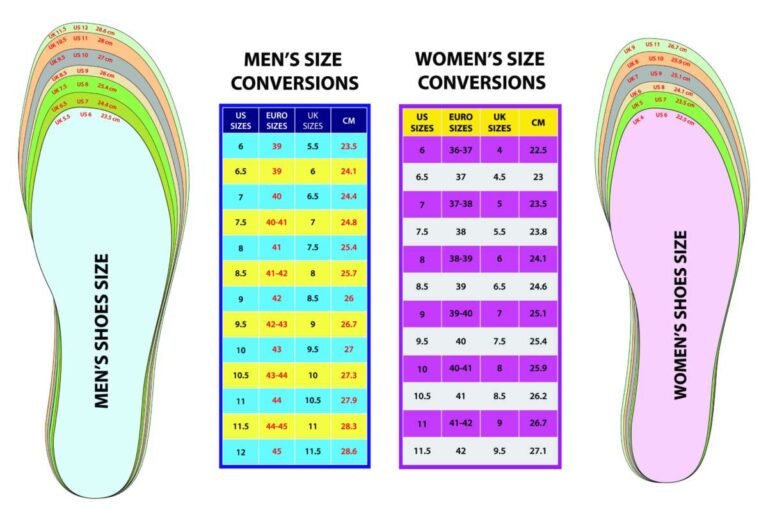
Shoe sizes can differ by brand and model. A test organizer may ask you to measure your foot or confirm a size chart before shipping the pair.
Step 4: Apply only for tests that match your habits
Apply for a road shoe if you run on roads. Apply for a hiking boot if you hike often. A close match helps you give useful feedback.
A poor match can affect the result. For example, a person who rarely hikes may not notice issues that appear after long climbs or rough descents.
Step 5: Read the test agreement
Before accepting the shoes, review the rules. Look for:
- Test dates
- Required mileage or hours
- Survey deadlines
- Return instructions
- Shipping rules
- Damage rules
- Confidentiality terms
- Photo or video requirements
- Public review restrictions
- Payment terms
Some programs let you keep the shoes. Others require a prepaid return. Never assume ownership without reading the agreement.
Step 6: Keep a simple test log
A basic log makes your feedback clearer. Record:
| Item | Example |
|---|---|
| Date | March 12 |
| Use | Road run |
| Distance or time | 4 miles |
| Surface | Dry pavement |
| Socks | Medium running socks |
| Fit | Snug at heel |
| Comfort | Good after 30 minutes |
| Problem | Pressure near right little toe |
Write notes soon after each use. Memory fades, much like a footprint in wet sand.
Step 7: Submit clear feedback
Good feedback describes what happened and when it happened.
Weak feedback:
The shoe feels bad.
Better feedback:
After 40 minutes on pavement, the right forefoot felt tight near the little toe. The heel stayed secure, and the outsole felt stable on dry ground.
Mention conditions that may affect the result, such as rain, heat, hills, socks, or a long work shift.

What Makes a Strong Shoe Tester?
A strong tester is consistent, honest, and easy to reach. You do not need to be a professional athlete.
Programs often value people who:
- Use the shoe for its intended purpose
- Follow the test schedule
- Complete surveys on time
- Report both good and bad results
- Notice changes over time
- Keep the shoes in reasonable condition
- Reply to program messages
- Protect confidential product details
Your value comes from useful observations, not from praising the product.
A brand may want a wide mix of testers. It could need new runners, high-mileage runners, people with wide feet, warehouse workers, hikers, or athletes in a certain age group.
How to Give Useful Wear-Test Feedback
Focus on specific parts of the shoe.
Fit
Report:
- Heel slip
- Toe pressure
- Side pressure
- Length
- Width
- Lace pressure
- Fit changes during the day
Say whether the issue happens at once or after extended use.
Comfort
Describe comfort during the first few minutes and after longer use. A shoe may feel soft at first but create pressure after an hour.
Support and stability
Explain how the shoe feels during turns, hills, uneven ground, or fast movement. Avoid making medical claims. A personal feeling of support does not prove that a shoe prevents injury.
Cushioning
Use clear terms such as:
- Firm
- Soft
- Springy
- Flat
- Stable
- Flexible
- Protective
Compare the feeling with shoes you already know, but make clear that the comparison is personal.
Traction
Report the surface and conditions. Grip on dry pavement does not prove grip on wet rock, ice, or oil.
Heat and moisture
Mention:
- Weather
- Socks
- Ventilation
- Wet feet
- Drying time
- Hot spots
A shoe may feel different in a cool indoor test than during a summer run in Texas or Florida.
Durability
Record visible changes, such as:
- Worn tread
- Creasing
- Torn upper fabric
- Loose stitching
- Flattened foam
- Damaged heel lining
- Sole separation
Do not claim that a shoe will last a certain number of miles based on a short test. Early wear can suggest a concern, but it does not establish the full life of the shoe.

How Much Do Shoe Testers Get Paid?
Payment varies widely. A program may offer:
- Free shoes
- A gift card
- Cash
- Store credit
- Travel reimbursement
- Entry into a drawing
- No payment
The reward may depend on completing all surveys or returning the shoes. Read the terms before you accept the test.
A free pair is not always a profit. You may spend time on surveys, travel to a lab, or pay costs that the program does not cover.
If you receive money, gift cards, prizes, or shoes, keep the program records. Tax treatment can depend on the facts and the value involved. The IRS explains rules for income, prizes, and awards. Ask a qualified tax professional if the amount is meaningful or if the test is connected to your business.
How to Spot a Fake Shoe Wear-Testing Program
Scams can use the names and logos of real brands. Verify the offer before you apply or pay anything.
Warning signs
Be cautious if a program:
- Requires a fee to apply
- Requests gift cards or cryptocurrency
- Promises guaranteed income
- Sends an unexpected check and asks you to send money back
- Uses a free email account for a major brand
- Pressures you to act at once
- Requests your Social Security number too early
- Asks for bank details before explaining payment
- Has no privacy policy or terms
- Uses a misspelled web address
- Offers expensive shoes for a very short survey
- Tells you to buy the shoes first and promises repayment later
The Federal Trade Commission advises consumers to avoid paying for a job or sending money back from an unexpected check. Those warnings also apply when a fake “testing job” uses footwear as bait.
Safer checks
Before sharing information:
- Type the brand’s web address yourself.
- Find the program through the official site.
- Check that emails come from a matching company domain.
- Search the company name with terms such as “scam” and “complaint.”
- Read the privacy policy and test agreement.
- Contact the company through its official customer service page.
- Do not send money to receive a test product.
A legitimate study may ask for personal information that helps screen participants. It should explain why it needs that information and how it will protect it.

What to Do If You Are Not Selected
Rejection does not mean you are a poor tester. A program may already have enough people in your shoe size, state, age group, or activity type.
Improve future applications by:
- Keeping your activity details current
- Listing several real surfaces you use
- Completing profiles fully
- Responding quickly to invitations
- Using one reliable email address
- Applying to relevant tests only
- Avoiding exaggerated claims
- Joining official brand or research mailing lists
Do not create several accounts to apply more often. Duplicate profiles can violate program rules and reduce trust.
If you are selected but the shoe causes pain, stop and report the problem. A wear test is not a reason to ignore pain, numbness, blisters, swelling, or an injury. Seek medical care when symptoms are severe, persistent, or linked to a known condition.
Common Mistakes to Avoid
Applying with false information
A false activity level can place you in the wrong test. It can also produce feedback that the study cannot use.
Testing in unsafe conditions
Do not test a new shoe on a dangerous trail, during extreme weather, or in a high-risk sport unless the program clearly requires it and you can do so safely.
Changing too many factors at once
New socks, inserts, training plans, or surfaces can affect your experience. Keep your normal routine when possible, and record changes when they occur.
Waiting until the end to write notes
Small details disappear quickly. A short note after each use is better than one long guess at the end.
Posting confidential details
A test agreement may restrict photos, names, designs, or public comments. Follow those terms even if the shoe appears online elsewhere.
Treating one person’s result as universal
Feet, movement, surfaces, and preferences differ. Your feedback is useful evidence about your experience, not proof that every person will have the same result.
A Simple Application Checklist
Before you apply, confirm that you:
- Live in the United States if the test is U.S.-only
- Match the activity type
- Know your current shoe size and width
- Can meet the test dates
- Can complete surveys on time
- Understand the return policy
- Know the reward
- Have checked the company’s identity
- Will not need to pay to participate
- Can stop if the footwear causes pain
Keep a copy of the application, agreement, shipping email, and survey instructions. These records help if the program changes its terms or a package goes missing.
Frequently Asked Questions
Do I need to be a professional runner to join a shoe wear-testing program?
No. Brands and research groups may need many types of users. They may recruit casual walkers, new runners, hikers, workers, athletes, and people with different foot shapes.
Can I keep the shoes after the test?
Sometimes. The agreement should state whether you keep, return, donate, or destroy the shoes. Ask before you accept the test if the terms are unclear.
How do I find current programs?
Check official brand websites, university research pages, specialty retailers, and reputable consumer research panels. Program availability changes, so confirm that the page is current before applying.
Can I join more than one program?
Possibly, but each program has its own rules. Check for exclusivity, confidentiality, and conflicts between tests. Do not test two shoes at once if you cannot tell which pair caused a problem.
What should I do if the shoe hurts?
Stop the activity that causes pain and contact the test organizer. Do not continue to meet a mileage target if you have pain, numbness, swelling, or signs of injury. Seek medical advice when symptoms do not improve or seem serious.
Conclusion
To join a shoe wear-testing program in the USA, start with official brand, retailer, university, and research-panel pages. Build a complete profile, apply only for tests that match your normal activities, and read every term before accepting the shoes.
The best tester is not the person who gives the most praise. It is the person who uses the shoes as directed, records real conditions, reports problems clearly, and protects their own safety and privacy. Begin by checking two or three trusted sources today, then keep a simple log of any test you receive.

Michael Smith is the Content Strategist behind The Style Hub, where fashion meets function. With a keen eye for trends and a passion for everyday style, he curates content that helps readers make smarter, more stylish choices—from the perfect pair of sneakers to must-have accessories. Michael specializes in breaking down fashion into practical, wearable insights, making style accessible for everyone. When he’s not researching the latest trends, he’s exploring how comfort, innovation, and timeless design come together in modern fashion.