Are Shoe Inserts FSA Eligible: Guide To Coverage
Shoe inserts can be FSA eligible when prescribed by a provider or treated as medically necessary.
I’ve helped clients and friends navigate FSA claims for medical supplies for years, and I’ll walk you through exactly when and how shoe inserts qualify. This guide covers IRS rules, typical plan practices, paperwork you’ll need, types of inserts that usually count, and real-life tips so you get reimbursed without guesswork. Read on to learn whether are shoe inserts fsa eligible in your situation and how to make a clean claim.
What counts as a shoe insert or orthotic?
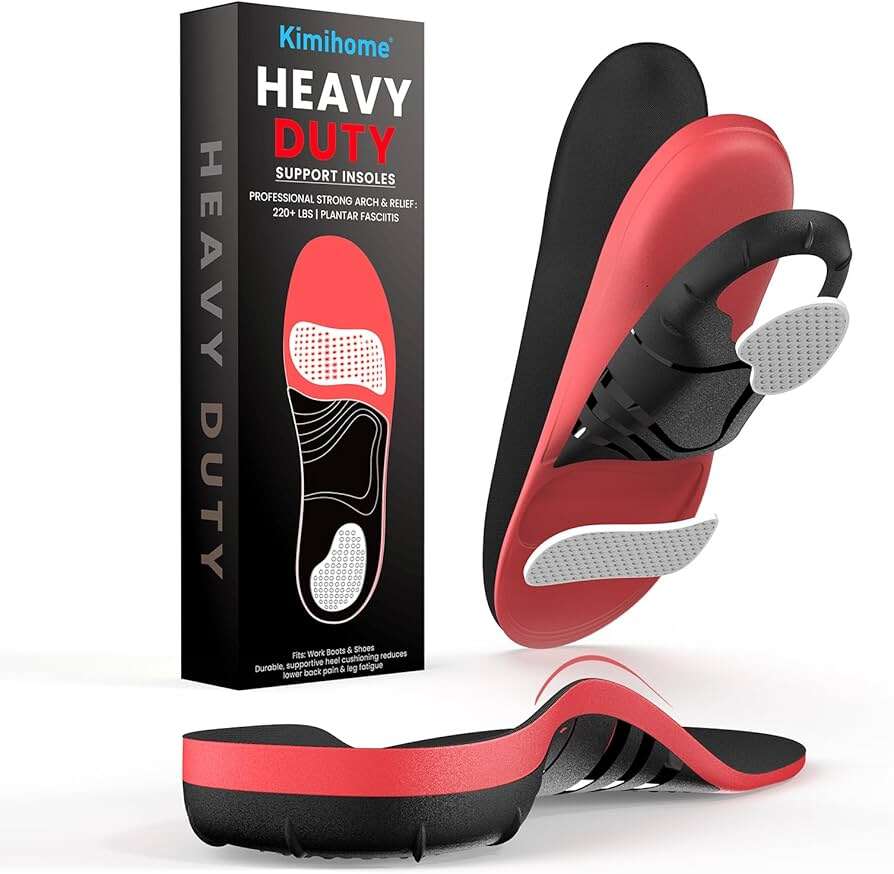
Shoe inserts include pre-made insoles, off-the-shelf arch supports, custom orthotics, heel cups, and metatarsal pads. Inserts that are meant primarily for comfort or general support are often treated differently than inserts prescribed to treat a medical condition. The key issue for are shoe inserts fsa eligible is whether the insert is intended to treat or prevent a specific medical condition and whether you have documentation from a medical professional.
Most FSAs follow IRS rules about medical care. If your doctor prescribes an insert to treat plantar fasciitis, diabetes-related foot problems, or to correct a structural gait issue, the insert is much more likely to be eligible. If the insert is just for general comfort while standing or walking, many plans will deny the claim.

When are shoe inserts FSA eligible?
Shoe inserts are FSA eligible when they meet medical necessity criteria and are supported by appropriate documentation. Typical scenarios where are shoe inserts fsa eligible include:
- Doctor prescription or note stating the medical need and expected benefit.
- Item is custom-made by a podiatrist or orthotist for a diagnosed condition.
- Over-the-counter inserts that are tied to a treatment plan and supported by a letter of medical necessity.
If your claim is for an over-the-counter insert, check your plan. Some administrators accept a receipt plus a doctor’s letter. Others require a prescription written directly on a receipt or order form. When in doubt, ask the FSA administrator before you buy.

Types of inserts and common eligibility outcomes
Different kinds of inserts are treated differently by FSAs. Here’s a quick breakdown to help you understand are shoe inserts fsa eligible in each case.
- Custom orthotics
- Often eligible. Custom-made inserts prescribed by a provider to correct structural or medical issues usually qualify.
- Physician-prescribed off-the-shelf inserts
- Often eligible with a prescription or letter of medical necessity.
- General comfort insoles and cosmetic inserts
- Usually not eligible unless tied to a medical condition.
- Diabetic shoe inserts
- Often eligible. Inserts for diabetes-related foot care are commonly accepted when documented.
- Inserts for athletic performance or prevention
- Usually not eligible unless prescribed for a specific medical condition.
These general rules align with how many FSA plans interpret medical expense rules. Always verify with your plan before purchase. Remember that are shoe inserts fsa eligible can vary by administrator.

How to document and submit a claim
Documentation is the biggest factor when determining if are shoe inserts fsa eligible. Follow these steps to improve your chances of reimbursement:
- Get a prescription or letter of medical necessity
- Ask your doctor to state the diagnosis, the medical reason, and why inserts are necessary.
- Keep detailed receipts
- Itemized receipts should show the item name, price, seller, and date of purchase.
- Check plan rules
- Review your FSA plan document or contact the administrator for any special forms or procedures.
- Use an FSA card when possible
- Some vendors accept FSA cards; if denied, save receipts and submit for reimbursement.
- Be ready to appeal
- If a claim is denied, provide additional documentation or an explanation from your provider.
When you prepare a claim this way, you address the main concern administrators have: medical necessity. That is the heart of whether are shoe inserts fsa eligible.

Practical tips and mistakes to avoid
I’ve filed multiple FSA claims for inserts for myself and others. These tips will save time and reduce denials.
- Ask before you buy
- Call your FSA administrator and ask what documentation they require for are shoe inserts fsa eligible claims.
- Get an explicit diagnosis
- A diagnosis of plantar fasciitis, tendonitis, bunions, or diabetic foot complications strengthens your claim.
- Use the provider’s language
- A short, clear letter that ties the insert directly to treatment works better than vague notes.
- Avoid assumptions about over-the-counter items
- Just because a store labels an insert “orthotic” doesn’t guarantee eligibility.
- Keep copies of everything
- Store receipts, prescriptions, and correspondence. You may need them later for appeals or tax records.
A mistake I once made was assuming a retail orthotic would be covered because my doctor recommended “support.” The claim was initially denied until we submitted a formal letter. A small extra step up front can prevent months of hassle.

PAA-style questions (People Also Ask)
What documentation makes shoe inserts FSA eligible?
- A prescription or a letter of medical necessity that explains the diagnosis and why the insert is needed usually makes shoe inserts FSA eligible.
Can I use my FSA debit card to buy inserts?
- You can use the card where accepted, but some merchants may not code the item as medical. Keep receipts and be ready to submit documentation if asked.
Are store-bought insoles FSA eligible without a prescription?
- Store-bought insoles are often not eligible without a prescription or medical note tying them to a diagnosed condition.
Do custom orthotics always qualify for FSA reimbursement?
- Custom orthotics are frequently eligible when prescribed. You should still get a formal prescription or documentation from the provider.
What if my FSA claim for inserts is denied?
- Review the denial reason, gather supporting documentation from your provider, and file an appeal with your plan administrator.
Frequently Asked Questions of are shoe inserts fsa eligible
Are shoe inserts FSA eligible if my doctor recommends them for plantar fasciitis?
Yes. If your doctor prescribes inserts to treat plantar fasciitis and you have a prescription or a letter of medical necessity, are shoe inserts fsa eligible is typically true.
Can I buy inserts online and submit for FSA reimbursement?
You can, but you’ll need an itemized receipt and documentation linking the purchase to a medical need. Many administrators accept online receipts if they are detailed.
Will my FSA cover inserts for general foot pain without a diagnosis?
Most plans require a diagnosis. General foot pain without a documented medical condition may not meet the test for are shoe inserts fsa eligible.
Are diabetic shoe inserts treated differently?
Diabetic shoe inserts are often given more leeway and are commonly eligible when documented for diabetes-related foot care.
Do I need a doctor’s letter or a prescription for off-the-shelf inserts?
Often yes. A doctor’s letter or prescription that states medical necessity improves approval chances for off-the-shelf inserts.
Are athletic or performance insoles FSA eligible for injury prevention?
Usually not. Inserts bought solely to enhance athletic performance or prevent general injury are unlikely to be eligible without a medical diagnosis.
How long should I keep records for FSA claims?
Keep receipts, prescriptions, and letters for at least the plan year and any additional time your plan recommends for audits or appeals. This helps if your are shoe inserts fsa eligible claim is reviewed.
Conclusion
Shoe inserts can be FSA eligible, but eligibility hinges on medical necessity, clear documentation, and your specific plan’s rules. Focus on getting a prescription or letter of medical necessity, keep itemized receipts, and confirm plan policies before you buy. Take action now: check your FSA plan, talk to your provider, and gather the paperwork you need to turn are shoe inserts fsa eligible into a smooth reimbursement. Leave a comment with your experience or questions, and consider subscribing for more practical guides on health expense decisions.

Michael Smith is the Content Strategist behind The Style Hub, where fashion meets function. With a keen eye for trends and a passion for everyday style, he curates content that helps readers make smarter, more stylish choices—from the perfect pair of sneakers to must-have accessories. Michael specializes in breaking down fashion into practical, wearable insights, making style accessible for everyone. When he’s not researching the latest trends, he’s exploring how comfort, innovation, and timeless design come together in modern fashion.