Why Zero Drop Shoes Are Bad: Risks And Better Options
Zero drop shoes can be bad because they may overload the calves, Achilles tendon, and feet before your body adapts.
The question of why zero drop shoes are bad has no one-size-fits-all answer. These shoes can feel natural for some people, yet create pain and strain for others. The main issue is not the lack of a heel lift alone. It is the sudden change in how your foot, ankle, and lower leg handle force. This guide explains the risks, the research, common mistakes, and safer ways to try zero drop footwear.

What are zero drop shoes?
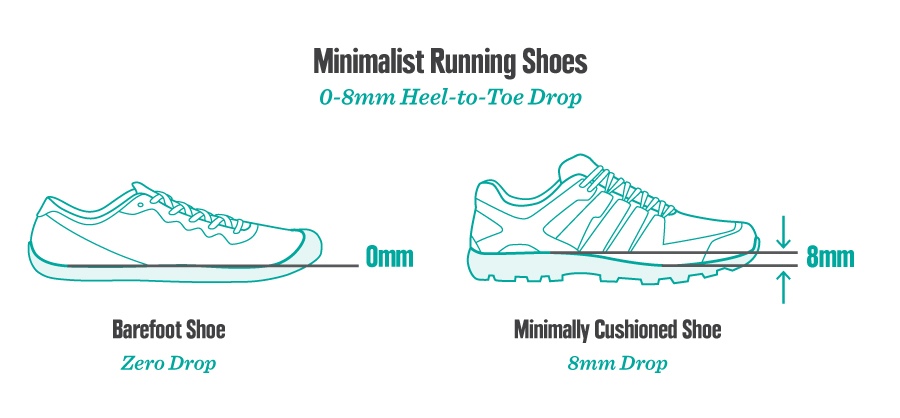
Zero drop shoes have the same sole height under the heel and the forefoot. In simple terms, your heel and toes sit at the same level. This differs from many traditional running shoes, which often raise the heel by several millimeters.
A zero drop design does not always mean the shoe is flat, thin, or flexible. Some models have thick cushioning, firm foam, or a wide toe box. “Zero drop” only describes the height difference between the heel and the front of the shoe.
Supporters say this design may encourage a more natural foot position. However, natural does not always mean better for every body. Your muscles, tendons, joints, and walking habits all affect how well you handle the change.
Why zero drop shoes are bad for some people
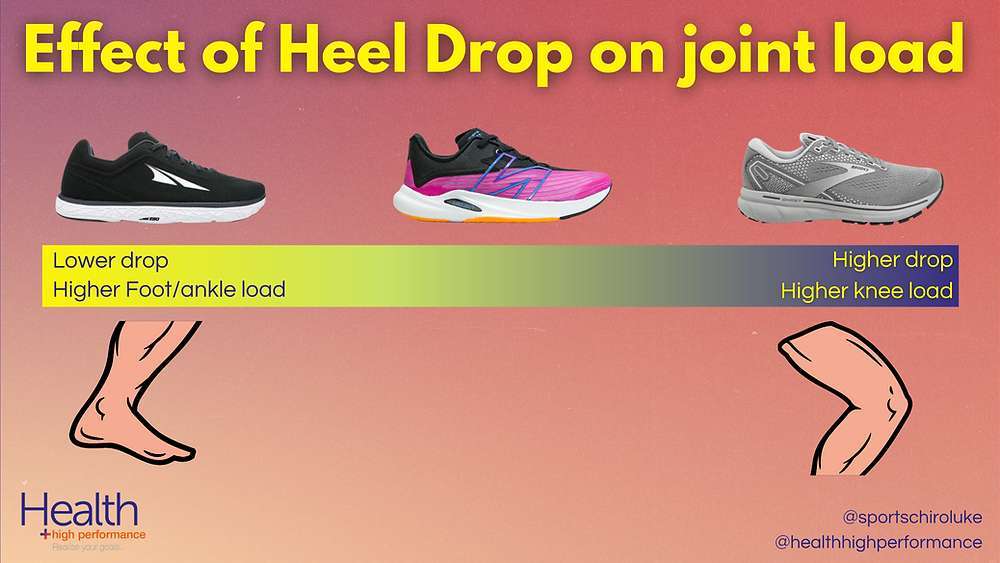
The main reason why zero drop shoes are bad for some wearers is that they shift more work toward the ankle and lower leg. A raised heel can reduce the stretch placed on the calf and Achilles tendon. Removing that lift may increase ankle motion during walking or running.
This change can be helpful when introduced slowly. It can also cause trouble when someone switches overnight from a cushioned, high-drop shoe to a flat shoe. The body may need weeks or months to build the needed strength and flexibility.
Common problems include:
• Calf soreness after short walks or runs
• Achilles tendon pain or stiffness
• Plantar fascia irritation
• Foot fatigue and arch discomfort
• Shin pain
• Knee or hip discomfort caused by changes in movement
These issues do not prove that every zero drop shoe is harmful. They show that shoe design changes how load moves through the body. A shoe that works well for one runner may be a poor match for another.

Zero drop shoes and Achilles tendon strain
The Achilles tendon connects the calf muscles to the heel bone. It helps you push off the ground with every step. When your heel sits lower, the ankle may move into more dorsiflexion, which means the toes move closer to the shin.
That position can place more stretch on the calf and Achilles tendon. A healthy tendon may adapt with gradual training. A tendon that is already irritated may react with pain, swelling, or morning stiffness.
Research on running shoes and injury risk is complex. Studies do not show that one heel-to-toe drop prevents all injuries. Still, biomechanics research supports the idea that lower-drop shoes can increase calf and Achilles demand, especially during the transition period.
Be especially careful if you have:
• A history of Achilles tendinopathy
• Tight calves
• Limited ankle movement
• Recent foot or ankle surgery
• A sudden increase in running volume
If pain lasts more than a few days, worsens during exercise, or changes your walking pattern, stop testing the shoes and seek advice from a qualified health professional.
How zero drop shoes may affect the plantar fascia
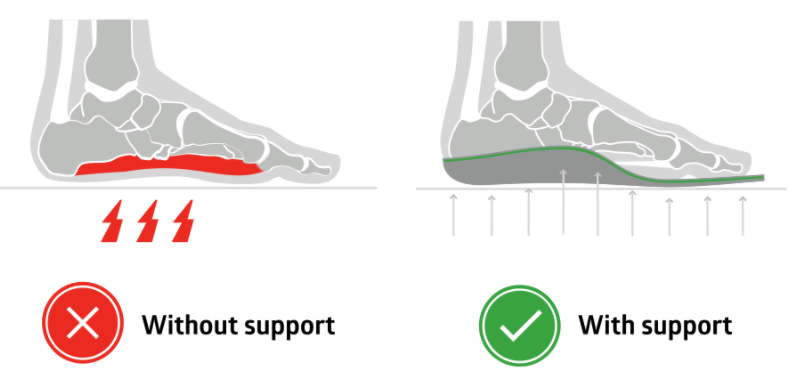
The plantar fascia is a strong band of tissue under the foot. It supports the arch and helps the foot store and release energy. A flat shoe can alter how this tissue works during the stance and push-off phases of walking.
Some people feel less pressure because zero drop shoes often have a wide toe box and a stable base. Others feel more pressure under the arch or heel. The result depends on the shoe’s cushioning, stiffness, shape, and your own foot structure.
One common mistake is to blame the drop while ignoring the rest of the shoe. A zero drop shoe with soft cushioning may feel very different from a thin, flexible barefoot-style shoe. Fit, walking surface, activity level, and foot strength matter too.
Signs of possible plantar fascia irritation include:
• Sharp pain under the heel during the first steps in the morning
• Pain after sitting for a long time
• Soreness after long walks
• Tenderness along the arch
These symptoms can have several causes. Do not use footwear alone as a diagnosis.
The transition problem: why sudden changes can hurt
Many cases explain why zero drop shoes are bad only after a rapid transition. The muscles and tendons may be used to one movement pattern. A new shoe can change stride length, ankle motion, impact timing, and push-off demands within a single day.
Think of it like changing your workout plan. If you have not trained your legs for months, you would not begin with hundreds of deep squats. Your feet need the same gradual approach.
A safer transition may look like this:
-
Wear the shoes indoors for 20 to 30 minutes.
-
Use them for short, easy walks on level ground.
-
Keep your old shoes available during the first few weeks.
-
Increase time only when you have no lasting soreness.
-
Delay running, hills, speed work, and long hikes.
-
Reduce use if pain remains the next morning.
There is no perfect schedule. Some people adapt in a few weeks. Others need several months. Your previous footwear, calf strength, age, training history, and injury record all affect the timeline.
Who should be cautious with zero drop shoes?
Zero drop shoes may not be the best first choice for people with limited ankle flexibility or current lower-leg pain. A raised heel can offer temporary comfort by reducing the amount of stretch required at the ankle.
People who should use extra care include:
• New runners
• People with recurring Achilles pain
• People with plantar fasciitis
• Older adults with balance concerns
• People recovering from foot or ankle injuries
• Runners moving from high-drop shoes
• People with severe calf tightness
This does not mean these groups can never wear zero drop shoes. It means the change should be planned. A physical therapist, podiatrist, or sports medicine clinician can assess strength, mobility, gait, and injury history.
A professional evaluation is especially useful when pain is sharp, one-sided, or linked with swelling or weakness.

Are zero drop shoes bad for your knees and hips?
The answer is not simple. Changing heel height can change the position and movement of the ankle, knee, and hip. In some people, a lower heel may reduce certain knee loads. In others, it may increase stress in the calf, ankle, or foot.
Current evidence does not support the claim that zero drop shoes are always bad for the knees or hips. It also does not support the idea that they automatically improve alignment. Human movement is too complex for one shoe feature to control every joint.
Your comfort and symptoms provide useful clues. If your knees feel better but your Achilles becomes sore, the shoe may be helping one area while overloading another. Good footwear should support your whole movement system, not just one joint.
The best choice often depends on:
• Your natural gait
• Your foot shape
• Your training goals
• Your injury history
• The shoe’s cushioning and stability
• How quickly you make the switch
Zero drop shoes versus traditional running shoes
Traditional running shoes often have a heel-to-toe drop between about 8 and 12 millimeters. This design can reduce calf stretch for some runners. It may also feel familiar and comfortable during long training sessions.
Zero drop shoes place the heel and forefoot at the same height. They may encourage a shorter stride or greater use of the foot and calf muscles. However, these effects vary by person and by shoe.
Neither design is automatically safer. Consider the main differences:
| Feature | Zero drop shoes | Traditional higher-drop shoes |
|---|---|---|
| Heel position | Same height as the forefoot | Heel sits higher |
| Calf demand | May be greater | May be lower |
| Transition risk | Often higher for new users | Usually lower for existing users |
| Feel under the foot | More level | More sloped |
| Best use | Depends on comfort and tolerance | Depends on comfort and tolerance |
The important question is not only why zero drop shoes are bad. It is also whether the design matches your body and activity.
Common mistakes people make with zero drop shoes
Many problems come from how people use the shoes, not from the concept alone. Marketing can also create unrealistic expectations. A wide toe box and flat sole do not guarantee better posture, stronger feet, or fewer injuries.
Avoid these mistakes:
• Wearing them all day on the first day
• Starting long-distance running immediately
• Ignoring calf or Achilles pain
• Choosing a poor fit because the shoe is popular
• Assuming pain means your body is “getting stronger”
• Changing shoes while also increasing training volume
• Treating a flat shoe as a cure for foot problems
Pain is not always a sign of useful adaptation. Mild muscle soreness may be normal after a new activity. Sharp pain, swelling, limping, or worsening morning stiffness deserves attention.
A simple training diary can help. Record the shoe, wearing time, activity, surface, and symptoms. Patterns often appear within two or three weeks.
Potential benefits of zero drop shoes
A balanced discussion of why zero drop shoes are bad should also explain their possible benefits. Some people like the level platform because it feels stable and roomy. Others enjoy the wide toe box, which allows the toes to spread more naturally.
Potential benefits may include:
• A more level standing position
• More room for the toes
• A stable base for walking
• Better awareness of foot placement
• Improved comfort for some users
• Less pressure from a narrow, pointed toe box
These benefits are not guaranteed. A flat shoe can still be stiff, narrow, heavy, or poorly cushioned. The shoe must match your foot and the activity.
A person who stands at work may prefer a cushioned zero drop model. A trail runner may need more protection and grip. Someone with an irritated Achilles may prefer a temporary heel lift. Context matters.

How to choose and test zero drop shoes safely
Start with fit rather than brand or trend. Your heel should feel secure, your toes should have space, and your foot should not slide inside the shoe. Walk on a hard surface and notice whether the shoe feels stable and comfortable.
Use this practical checklist:
-
Compare the new shoe with your current pair.
-
Choose a model with enough cushioning for your activity.
-
Begin with short, easy sessions.
-
Avoid hills and fast running at first.
-
Check your calves and Achilles the next morning.
-
Increase use by small amounts.
-
Stop if pain changes your stride.
Do not switch shoes during a major training block or just before a race. Your body needs time to learn the new load pattern. If you already have an injury, get individual guidance before making a major footwear change.
In real-world gait testing, the most useful lesson is simple: comfort during the first five minutes does not always predict comfort after two hours. Test shoes in the conditions where you plan to use them.
What the research says about zero drop shoes
Footwear research has limits. Shoe studies often involve small groups, short testing periods, and different models. A laboratory finding may also fail to predict what happens during months of daily use.
Research does show that heel-to-toe drop can affect ankle motion and muscle activity. Lower-drop shoes commonly increase demands on the calf and Achilles complex. However, injury outcomes depend on many factors, including training load, sleep, strength, surface, speed, and past injuries.
Large reviews of running injuries have not found one shoe type that prevents injuries for everyone. This supports a personalized approach. The safest shoe is usually the one that fits well, feels comfortable, and lets you train without rising pain.
Claims that zero drop shoes “fix” posture or prevent all injuries go beyond the evidence. Treat such promises with caution.
When to stop wearing zero drop shoes
Stop or reduce use if your symptoms are more than mild and temporary. Pushing through pain can turn a small irritation into a longer injury.
Seek medical advice for:
• Sudden or severe pain
• Swelling or bruising
• Numbness or tingling
• Weakness in the foot or ankle
• Pain that causes limping
• Achilles pain that worsens each morning
• Symptoms that do not improve with rest
You may not need to abandon the shoes forever. A clinician may suggest a slower transition, strength work, different cushioning, or a temporary return to a higher-drop shoe.
The goal is not to prove that a shoe is good or bad. The goal is to move comfortably and safely.

Frequently Asked Questions About Why Zero Drop Shoes Are Bad
Are zero drop shoes bad for everyone?
No. Zero drop shoes are not automatically bad for everyone. They may work well for people who adapt gradually and have enough calf, ankle, and foot strength.
Why do my calves hurt after wearing zero drop shoes?
Your calves may be working harder because your heel sits lower than it did in your old shoes. Reduce wear time, avoid intense exercise, and allow your body to adapt slowly.
Can zero drop shoes cause Achilles tendon pain?
They can contribute to Achilles pain, especially after a sudden switch or when the tendon is already irritated. Lower heel height may increase calf and Achilles stretch during walking and running.
Are zero drop shoes good for plantar fasciitis?
They are not a proven treatment for plantar fasciitis. Some people feel comfortable in them, while others experience more heel or arch pain because the foot must handle a different load.
How long does it take to adapt to zero drop shoes?
Adaptation may take several weeks or longer. Start with short periods and increase use only when your symptoms remain mild and do not continue into the next day.
Should beginners wear zero drop running shoes?
Beginners can wear them, but they should begin slowly. A cushioned, comfortable shoe with a familiar drop may be easier for a new runner who has not yet built calf and foot strength.
Can I wear zero drop shoes for walking?
Many people can walk in them comfortably. Begin with short walks, especially if you normally wear shoes with a raised heel, and watch for calf, foot, or Achilles pain.
Conclusion
Why zero drop shoes are bad usually comes down to poor fit, rapid transition, or a mismatch between the shoe and the wearer’s body. The flat design can increase work for the calves, Achilles tendon, plantar fascia, and foot muscles. Yet zero drop shoes are not inherently harmful, and some people find them comfortable and useful.
Make changes slowly. Choose a supportive, well-fitting pair, track your symptoms, and do not ignore persistent pain. If you are recovering from an injury or have a complex foot problem, ask a qualified clinician for personal advice. Share your experience or explore more evidence-based footwear guides before choosing your next pair.

Michael Smith is the Content Strategist behind The Style Hub, where fashion meets function. With a keen eye for trends and a passion for everyday style, he curates content that helps readers make smarter, more stylish choices—from the perfect pair of sneakers to must-have accessories. Michael specializes in breaking down fashion into practical, wearable insights, making style accessible for everyone. When he’s not researching the latest trends, he’s exploring how comfort, innovation, and timeless design come together in modern fashion.