How Many Inches Is A Shoe Size 8: Find Your Fit
A US men’s size 8 usually fits a foot about 10 inches long, while women’s size 8 fits about 9.5 inches.
Knowing how many inches is a shoe size 8 can make online shopping much easier. However, shoe size is not a direct inch measurement. The answer changes by gender sizing system, brand, shoe shape, and the space needed for comfort. This guide explains the standard measurements, how to measure your foot, and how to choose a better-fitting pair.
How many inches is a shoe size 8?
In the United States, a men’s shoe size 8 is made for a foot about 10 inches long. A women’s shoe size 8 is made for a foot about 9.5 inches long.
These figures follow common US shoe size charts. They describe the intended foot length, not the exact length of the shoe or its inner space.
| US shoe size | Approximate foot length |
|---|---|
| Men’s 8 | 10 inches |
| Women’s 8 | 9.5 inches |
| Big kids’ 8 | About 9.5 inches |
| Little kids’ 8 | About 5.75 to 6 inches |
The big kids’ size 8 is not the same as a men’s size 8. Children’s sizing uses a different scale, so always check whether a chart refers to men, women, youth, or toddlers.

Men’s shoe size 8 in inches
A US men’s size 8 generally corresponds to a foot length of about 10 inches. In metric terms, that is roughly 25.4 centimeters.
The shoe itself may measure longer than 10 inches. Extra room is built into the toe area so your toes can spread and your foot can move as you walk. The amount of extra space varies by shoe type.
A men’s size 8 may feel different in a:
• Running shoe with a roomy toe box
• Dress shoe with a narrow front
• Work boot with thick lining
• Sandal with an open front
• Slip-on with a flexible upper
For that reason, how many inches is a shoe size 8 does not have one answer for every brand. The 10-inch figure is a useful starting point, not a guarantee of fit.
Women’s shoe size 8 in inches
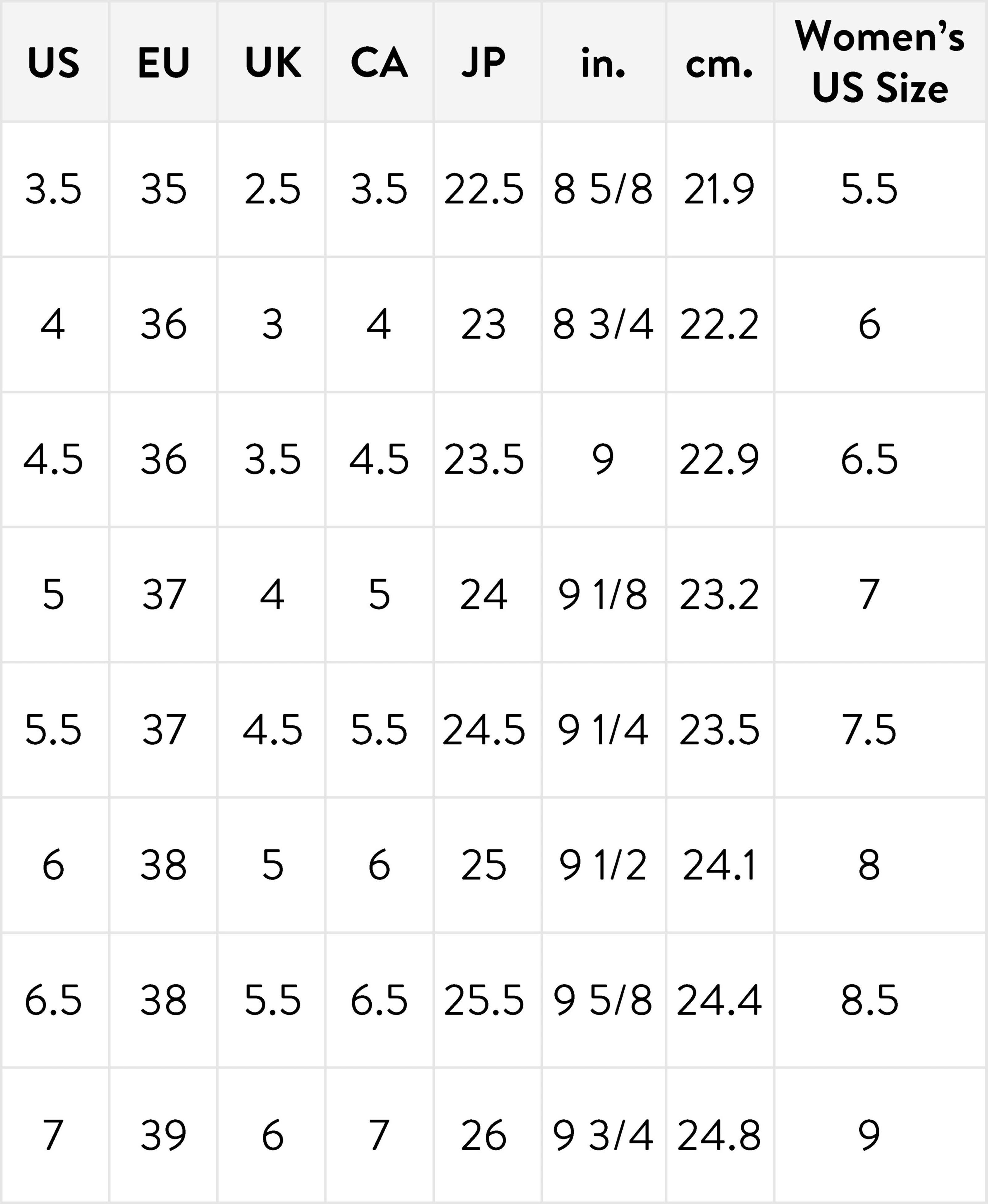
A US women’s size 8 usually fits a foot about 9.5 inches long. This equals approximately 24.1 centimeters.
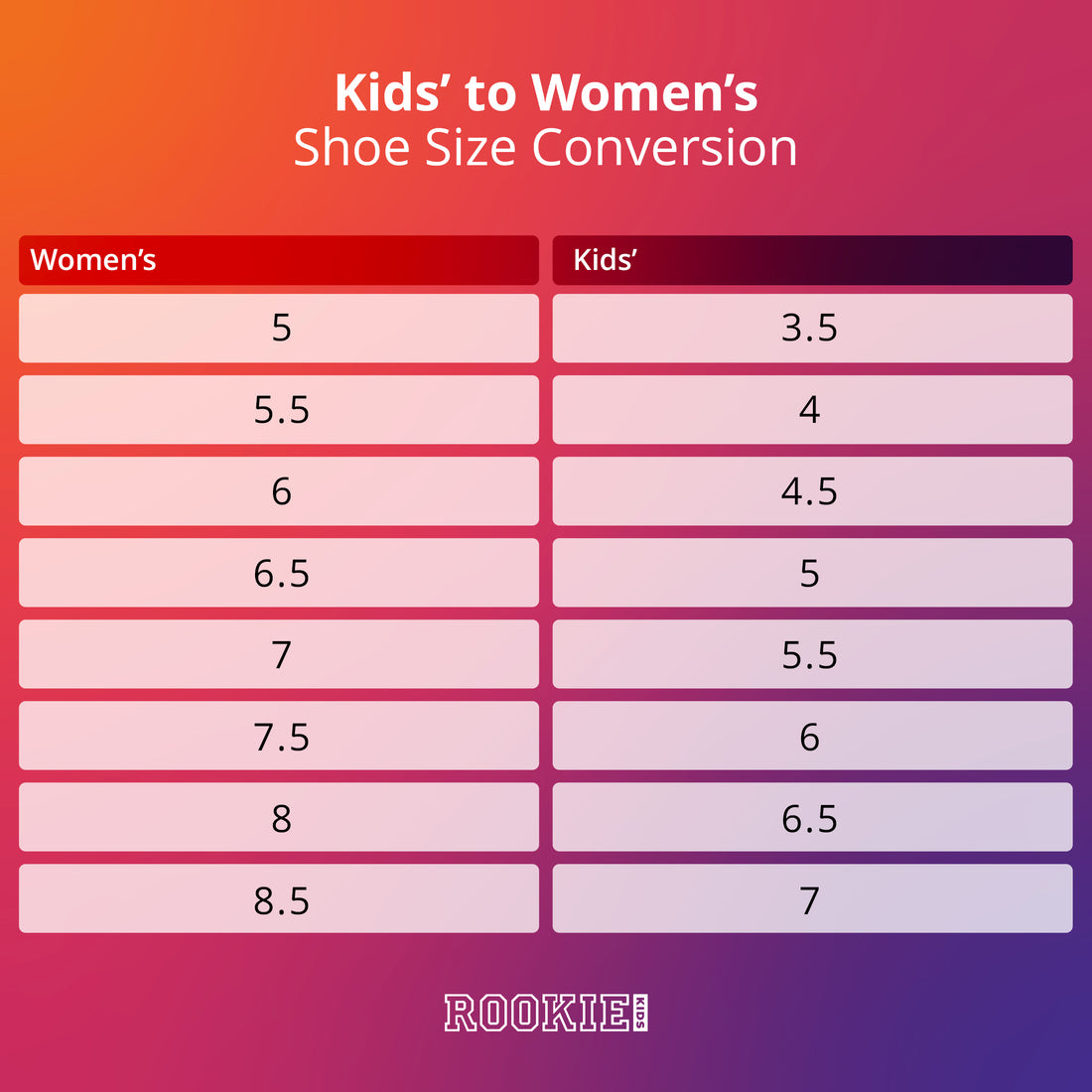
Women’s shoes often use a different size scale from men’s shoes. A women’s size 8 is not simply the same as a men’s size 8. In many standard charts, a women’s shoe is about 1.5 sizes larger than the equivalent men’s shoe.
For example:
• Women’s 8 is often close to men’s 6.5
• Women’s 8.5 is often close to men’s 7
• Women’s 9 is often close to men’s 7.5
This conversion can change by brand and style. Width is also important. A regular women’s width may feel much narrower than a men’s regular width, even when the length seems similar.

Why shoe size does not equal exact shoe length
Shoe sizes are based on sizing systems, not a simple ruler measurement. The size number estimates the foot length the shoe should fit. It does not state the exact length of the sole, insole, or interior.
A shoe needs extra room because feet swell during the day. Your toes also need space to move forward and spread during walking. Without that room, your toes may press against the front and cause pain.
The shoe last also changes the fit. A last is the mold used to shape a shoe. Two shoes marked size 8 can have different lengths, widths, toe shapes, and internal volumes because they use different lasts.
This is why asking how many inches is a shoe size 8 gives you an estimate. It cannot replace a brand-specific size chart or a proper foot measurement.

US shoe size 8 measurement chart
The following chart gives common estimates for adult US sizing.
| Size system | Size 8 foot length | Approximate centimeters |
|---|---|---|
| US men’s | 10 inches | 25.4 cm |
| US women’s | 9.5 inches | 24.1 cm |
| UK men’s equivalent | About UK 7 | Varies by brand |
| European men’s equivalent | About EU 41 | Varies by brand |
| European women’s equivalent | About EU 39 | Varies by brand |
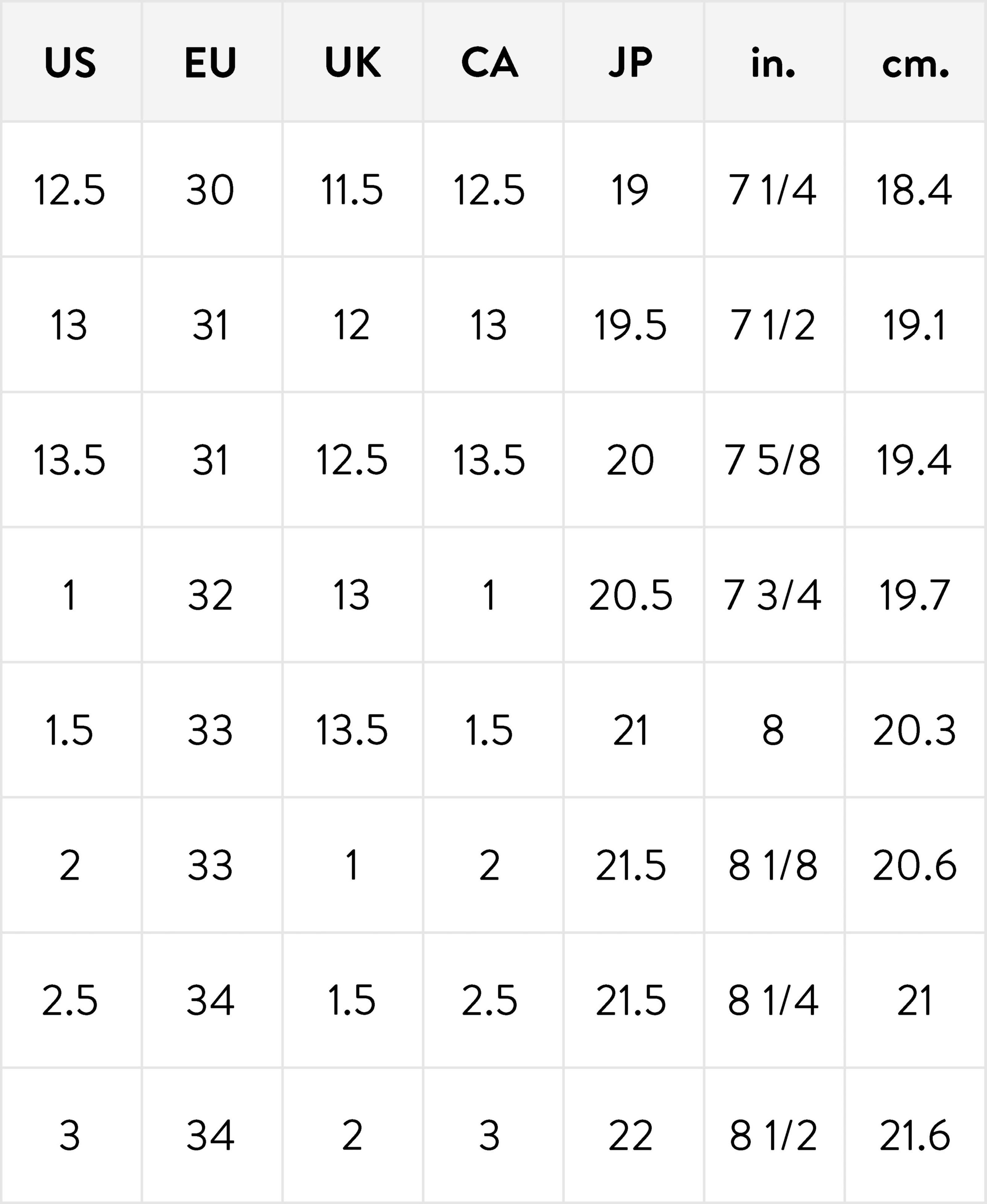
European and UK sizes do not convert perfectly. Some brands use half sizes, different grading rules, or their own measurement methods. Treat international conversions as a guide only.
When buying from another country, compare your foot length in inches or centimeters with the seller’s chart. That method is usually more reliable than converting the size number alone.

How to measure your foot in inches
Measuring your foot at home takes only a few minutes. Measure both feet because one foot is often slightly longer than the other.
Follow these steps:
- Place a sheet of paper on a hard floor.
- Wear the socks you plan to use with the shoes.
- Stand with your heel lightly touching a wall.
- Ask someone to trace around your foot.
- Mark the farthest point of your longest toe.
- Measure from the back of the heel to that mark.
- Repeat the process for the other foot.
- Use the measurement of your longer foot.
- Compare it with the brand’s size chart.
Do not measure while sitting. Your foot spreads and lengthens when you stand. Measure later in the day if possible, since feet often swell after hours of walking.
A common mistake is measuring from the edge of the paper instead of from the heel line. Another is tracing with the pencil tilted outward. Keep the pencil upright for a closer estimate.
How much toe room should a size 8 have?
Most people need about ⅜ to ½ inch of space between the longest toe and the front of the shoe. This space helps prevent your toes from hitting the shoe while walking downhill or during exercise.
Your longest toe may be the second toe rather than the big toe. Always measure and check the toe with the greatest reach.
A good fit should feel secure at the heel and midfoot. Your toes should be able to move without being squeezed. The shoe should not slip badly when you walk.
Use these fit checks:
• Your heel stays in place without rubbing
• Your toes do not touch the front
• The widest part of your foot matches the widest part of the shoe
• The upper does not pinch or create strong pressure points
• You can walk several steps without pain
More room is not always better. A shoe that is too large may cause your foot to slide, which can lead to blisters and poor stability.
Width and shape matter as much as length
Foot length explains only part of shoe fit. Width, arch shape, instep height, and toe shape also affect comfort.
US shoe widths commonly use letters. In men’s shoes, D is often standard width and 2E is commonly wide. In women’s shoes, B is often standard width and D is commonly wide. These labels are not perfectly consistent across brands.
A size 8 with the correct length can still feel wrong if the shoe is too narrow. A wide foot may need a wide version, a round toe box, or a different brand rather than a longer size.
Do not solve a width problem by buying a longer shoe. Extra length may make your heel slip and can change how your foot moves. Look for the correct width whenever the brand offers it.

Shoe size 8 by shoe type
The same labeled size can feel different across footwear categories. This happens because each type has a different purpose and design.
Running shoes
Running shoes often include extra space in the toe box. Many runners choose about half a size larger than their casual shoe, but this is not a rule. Your heel should remain secure while your toes have room to spread.
Dress shoes
Dress shoes may have a narrower shape and firmer materials. A men’s size 8 may fit a 10-inch foot, yet the shoe can feel smaller if its toe box tapers sharply.
Work boots
Work boots often include thick socks, insulation, or protective toe caps. Check the manufacturer’s guidance and make sure the toe does not touch the safety cap.
Sandals
Sandals should support your foot without letting your heel or toes hang over the edges. Adjustable straps can improve fit, but they cannot fix an incorrect length.
Slippers
Slippers may stretch with use. Choose enough room for comfort, but avoid a loose fit that makes your foot slide while walking.

Why size charts vary by brand
Shoe brands may use different lasts, materials, and grading systems. One brand’s size 8 may feel shorter or wider than another brand’s size 8.
Manufacturers also design shoes for different foot shapes. A performance shoe may use a broad toe box, while a fashion shoe may use a narrow and pointed shape. Leather can soften over time, but it usually does not add much length.
Before ordering, review:
• The brand’s official size chart
• The listed foot length in inches or centimeters
• The recommended width
• Customer comments about narrow or wide fit
• The return and exchange policy
• Whether the shoe runs small, large, or true to size
Customer reviews can help, but they are personal reports. A reviewer with a wide foot may call a shoe narrow even if the shoe fits another person well.
Common mistakes when choosing a size 8
Many fit problems come from small measurement errors. Avoiding these mistakes can save money and prevent foot pain.
• Measuring only one foot
• Measuring while seated
• Using a soft carpet instead of a hard floor
• Measuring with bare feet when thick socks will be worn
• Ignoring width
• Assuming every size 8 has the same shape
• Choosing a longer size to fix a narrow shoe
• Buying without checking the return policy
• Relying only on a men’s-to-women’s conversion
One practical lesson is simple: focus on your foot measurement, not just the number printed inside the shoe. The label is a starting point. Comfort, support, and a secure fit are the final test.